
Neem oil toxicity is a critical concern for gardeners and pet owners who rely on this natural pesticide to protect their plants from pests and fungal diseases, Understanding the potential risks associated with neem oil toxicity is essential because improper application can lead to adverse reactions in sensitive plant species, beneficial insects, and household animals, This article will guide you through safe usage practices, highlight key symptoms of neem oil toxicity to watch for, and provide expert-backed advice on dosage and handling to ensure effective and responsible application.
What Is Neem Oil Toxicity?
Neem oil toxicity refers to the potential harmful effects of neem oil on living organisms, especially when misused or ingested in large amounts.
Neem oil is a powerful natural pesticide, but its concentrated form contains azadirachtin and fatty acids that can be toxic if mishandled, Understanding neem oil toxicity helps gardeners use it safely without harming plants or pets.
Is Neem Oil Toxic to Humans?
Yes, neem oil can be toxic to humans when ingested undiluted or in large quantities, but dermal exposure usually causes mild irritation.
- Oral ingestion of >50 ml concentrated neem oil may lead to neem oil poisoning symptoms such as vomiting, drowsiness, and metabolic acidosis.
- Topical application can cause contact dermatitis in sensitive individuals—always perform a patch test.
- Pregnant women should avoid oral consumption as neem oil may induce uterine contractions.
- Inhalation of spray mist can irritate respiratory tracts; use a mask when applying indoors.
How Neem Oil Exposure Happens
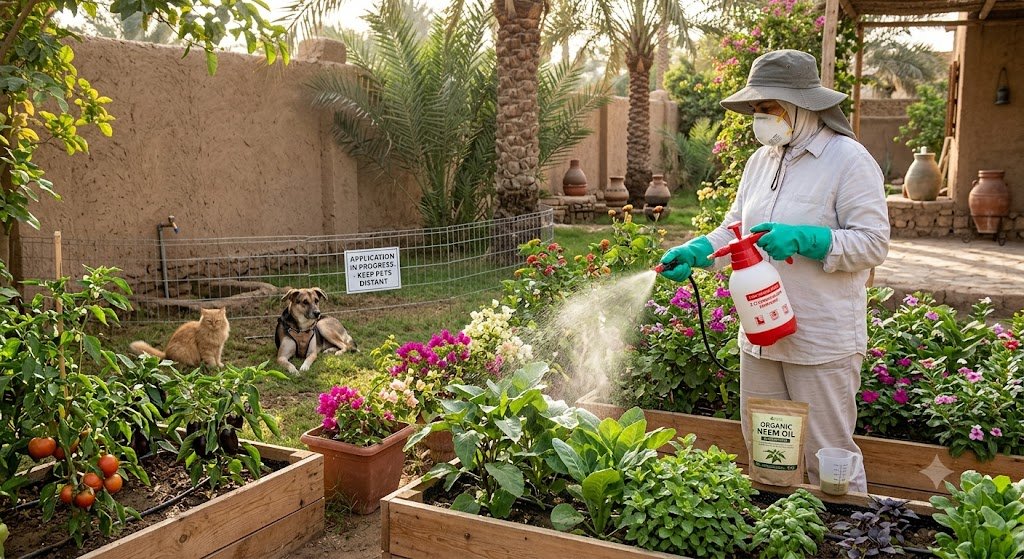
Exposure occurs through skin contact, inhalation of spray, or accidental ingestion, especially during gardening and pet application.
To minimize risk, always wear gloves and eye protection, Keep pets indoors during spraying and wait until foliage is dry before allowing them back outside, Rinse any accidental skin contact with soap and water immediately.
Symptoms of Neem Oil Toxicity
Symptoms range from mild skin rashes to serious gastrointestinal and neurological issues, depending on the route and dose.
| Route of Exposure | Common Symptoms | Severity |
|---|---|---|
| Skin contact | Redness, itching, burning sensation | Mild |
| Inhalation | Cough, throat irritation, dizziness | Mild to moderate |
| Ingestion (small amount) | Nausea, stomach upset, diarrhea | Moderate |
| Ingestion (large amount) | Vomiting, drowsiness, seizure, metabolic acidosis | Severe |
Recognizing neem oil toxicity symptoms early is crucial, If you or a pet show signs after exposure, stop using the product and contact a poison control center or veterinarian.
Neem Oil Poisoning in Children
Children are especially vulnerable to neem oil poisoning due to their lower body weight and developing systems.
Question: What should I do if my child accidentally swallows neem oil?
Answer: Immediately call your local poison control center or emergency helpline, Do not induce vomiting unless advised by a medical professional, Bring the product bottle to the hospital to help identify neem oil poisoning treatment, Keep children away from neem oil bottles and sprayers—store them in locked cabinets at least 5 feet off the ground.
Is Neem Oil Toxic to Dogs and Cats?
Yes, neem oil can be toxic to dogs and cats when ingested undiluted or applied improperly.
- For dogs, ingestion of more than 1 teaspoon of concentrated neem oil per 10 kg body weight may cause neem oil poisoning symptoms like drooling, vomiting, and lethargy.
- Cats are more sensitive due to their smaller size and limited liver enzymes; even 1 ml of undiluted oil can trigger neem oil toxic to cats reactions.
- Topical application of high concentrations (over 2%) can cause skin irritation, hair loss, and excessive grooming in both species.
- Never use neem oil sprays directly on pets—instead, apply diluted solution (0.5%) to a cloth and wipe lightly on affected spots.
What to Do After Neem Oil Exposure
Immediate and correct action can significantly reduce the risk of serious harm from neem oil exposure.
For skin contact, wash the area with mild soap and cool water for at least 15 minutes, If neem oil gets into eyes, flush with clean water for 20 minutes and remove contact lenses if present, In case of inhalation, move to fresh air and sit upright, For ingestion, do not induce vomiting unless a poison control specialist advises it, Call the Poison Help Line (1-800-222-1222 in the US) or your veterinarian immediately, providing the product label and estimated amount swallowed.
How Neem Oil Toxicity Is Diagnosed and Treated
Medical professionals diagnose neem oil toxicity based on symptoms, exposure history, and sometimes lab tests to confirm.
| Diagnostic Method | How It Works | Used For |
|---|---|---|
| Medical history review | Doctor asks about exposure route, time, and amount | Humans & pets |
| Blood tests | Check for metabolic acidosis, electrolyte imbalance | Moderate to severe cases |
| Physical exam | Observes skin irritation, breathing, pupil response | All exposure levels |
| Veterinary assessment | Includes vitals, abdominal palpation, and bloodwork | Dogs & cats |
Neem oil poisoning treatment focuses on supportive care, For mild cases, giving activated charcoal (only under medical advice) can absorb toxins, Severe cases may require intravenous fluids to flush the system, oxygen therapy for breathing issues, or anti-nausea medication, Pets often recover within 24–48 hours with prompt care, If you suspect neem oil poisoning in a pet, bring them to a vet with the product packaging.
How to Use Neem Oil Safely Around People and Pets
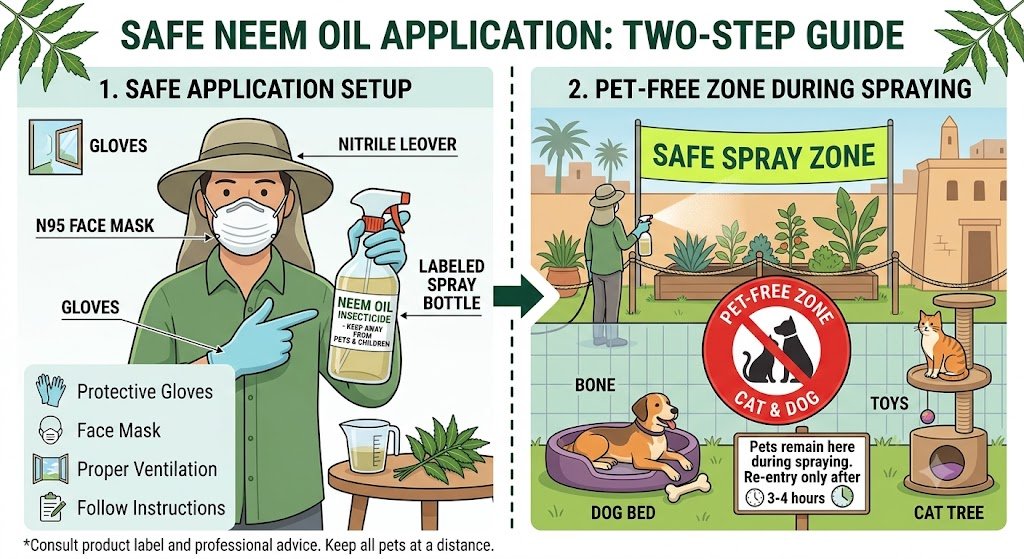
Safe usage requires proper dilution, protective gear, and strategic timing to avoid harming your loved ones.
Always dilute neem oil to a 0.5–2% concentration (1–2 teaspoons per liter of water) and add a few drops of mild liquid soap as an emulsifier, Wear long sleeves, chemical-resistant gloves, and a NIOSH-approved N95 mask while spraying, Keep children, dogs, and cats indoors until the treated area is completely dry—usually 4–6 hours after spraying, For indoor plants, apply neem oil solution to a cloth and wipe leaves instead of spraying, Store undiluted neem oil in a cool, dark cabinet, out of reach of kids and pets, Consider neem oil safety by also washing spray bottles with warm soapy water after each use.
Frequently Asked Questions About Neem Oil Toxicity
Here are clear answers to the most common concerns about neem oil safety for your household.
Question: Can neem oil be toxic to humans if inhaled during gardening?
Answer: Yes, inhaling concentrated neem oil spray mist can cause respiratory irritation, coughing, and dizziness, Always use a mask and apply neem oil in well-ventilated areas, For indoor use, switch to wiping leaves instead of spraying to reduce airborne particles, If you experience neem oil toxicity symptoms like throat burning or trouble breathing, move to fresh air immediately and rinse your mouth with water.
Question: What is the most common neem oil poisoning scenario in dogs?
Answer: Dogs most often ingest neem oil when they lick their fur after topical application, This can cause drooling, vomiting, and in severe cases, lethargy, To prevent this, apply only a 0.5% diluted solution to affected spots and distract your dog with a toy for 15 minutes until the oil is absorbed, If you see your dog licking neem oil directly from a bottle, contact your vet immediately for potential neem oil poisoning treatment.
Question: Are there any long-term effects of neem oil toxic to cats?
Answer: Cats exposed to high doses of neem oil may develop temporary liver enzyme changes, but with prompt care, most recover fully within a week, Chronic low-dose exposure from repeated application can cause skin sensitivity and weight loss, For safe use, apply neem oil to your cat only under veterinary guidance and never use products with added essential oils like peppermint, which are already dangerous to felines.
Understanding neem oil toxicity is essential for any gardener who wishes to harness the benefits of this natural pesticide without inadvertently harming their plants or beloved pets, When applied correctly with proper dilution ratios and during cooler hours, neem oil breaks down quickly and poses minimal risk, yet concentrated or excessive use can lead to leaf burn, respiratory irritation in animals, and unintended ecological impacts on beneficial insects, By respecting the product’s potency and following manufacturer guidelines, you can effectively manage pests while safeguarding your garden’s health and the well-being of your furry companions, Ultimately, neem oil toxicity is a matter of dose and application technique, and with responsible use, this organic solution remains a safe and valuable tool for sustainable gardening practices.