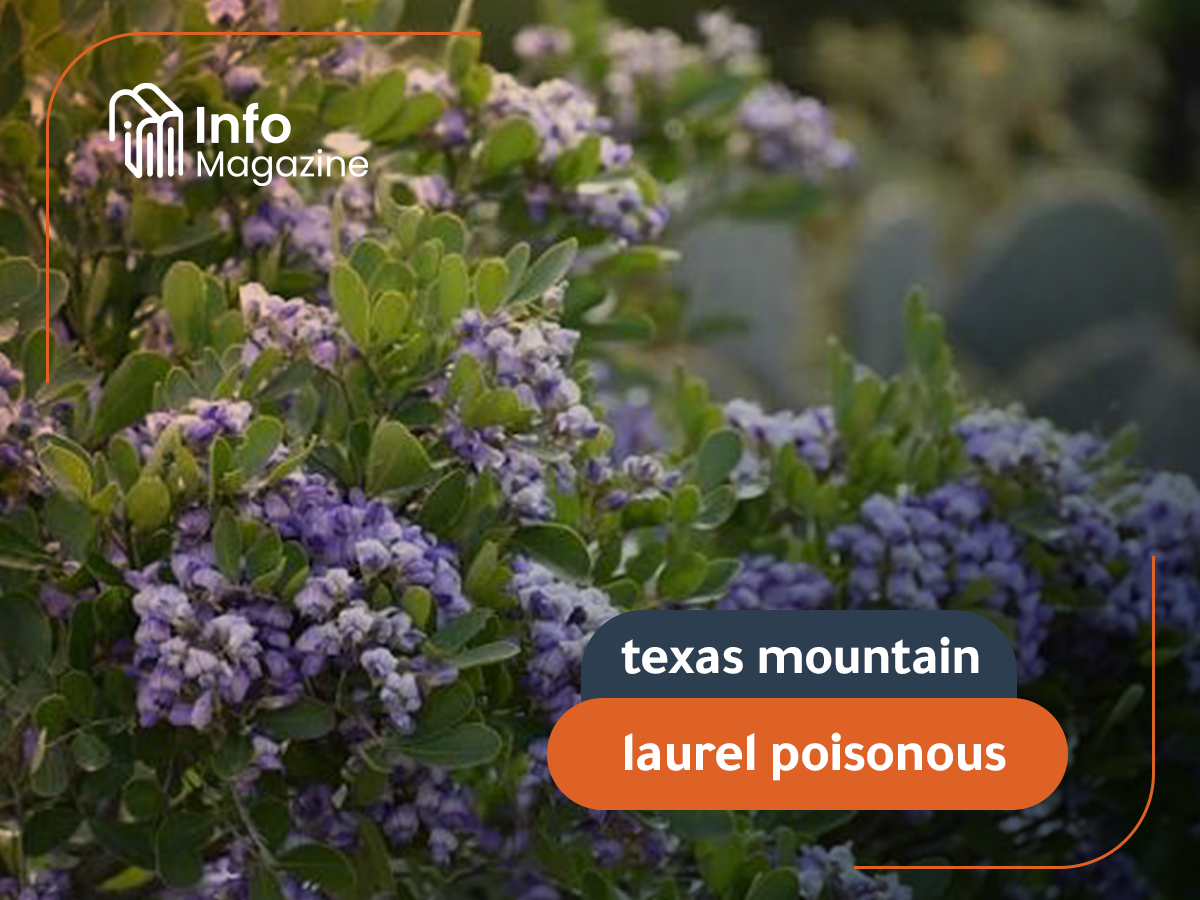
Understanding whether texas mountain laurel poisonous properties pose a genuine threat is essential for anyone who encounters this striking but dangerous shrub in their landscape.
This article will explain which parts of the plant contain the toxic alkaloids, describe the specific symptoms of poisoning in humans and animals, and provide clear emergency response guidelines for exposure incidents.
Is Texas Mountain Laurel Poisonous?
Yes, all parts of the Texas mountain laurel contain toxic alkaloids that pose serious health risks to humans, pets, and livestock.
What Makes Texas Mountain Laurel Toxic?
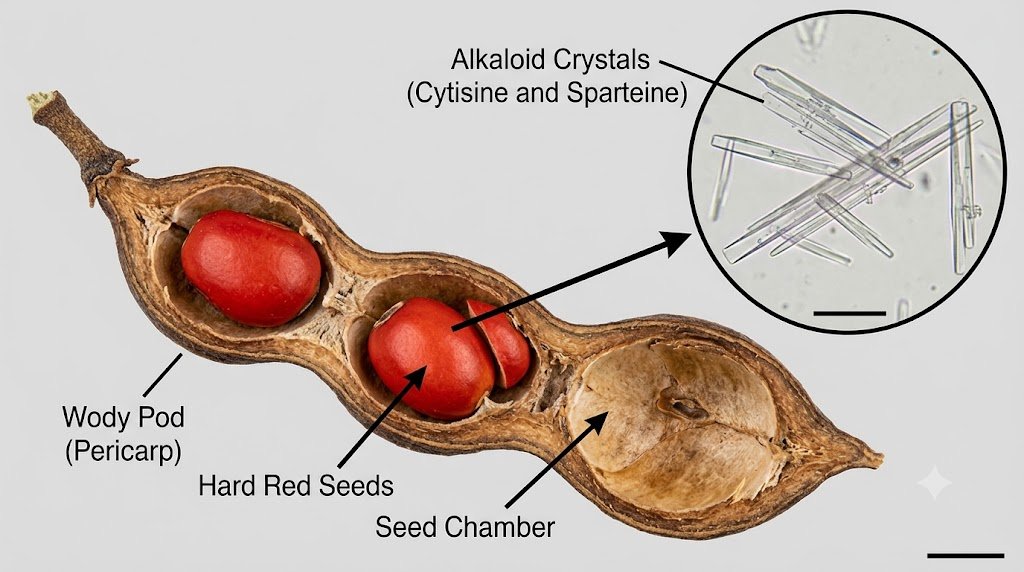
This plant contains cytisine, a potent alkaloid that disrupts the nervous system by mimicking nicotine at receptor sites.
[Image: Cross-section of a Texas mountain laurel seed pod showing the hard red seeds inside, with a magnified inset of the alkaloid crystals]
Which Parts of the Plant Are Poisonous?
Every part—bark, leaves, flowers, pods, and seeds—is toxic, but the seeds and pods hold the highest concentration.
- Seeds & Pods (Highest Risk): Hard, red seeds inside woody pods are the most dangerous due to high alkaloid content. Ingesting just 2–3 seeds can cause severe poisoning in small animals.
- Leaves & Bark (Moderate Risk): Chewing leaves or bark releases lower doses of toxins but still dangerous for grazing animals or persistent ingestion.
- Flowers & Nectar (Low but Real Risk): While rarely consumed in large amounts, the purple flowers contain trace alkaloids. Bees that collect nectar produce honey that can carry mild toxins.
Is Texas Mountain Laurel Dangerous to Humans?
Yes, especially to children who may mistake the bright red seeds for candy or berries.
For more severe cases involving confusion, seizures, or respiratory distress after ingestion, call Poison Control (1-800-222-1222) or seek emergency care immediately.
Is Texas Mountain Laurel Toxic to Dogs and Livestock?
Yes, dogs, horses, and goats are especially vulnerable due to their chewing habits and grazing behavior.
| Animal Type | Toxin Reaction | Common Symptoms |
|---|---|---|
| Dogs | Moderate to severe | Vomiting, drooling, tremors, seizures (within 30 min–2 hr) |
| Horses | Severe (high risk) | Colic, incoordination, collapse, labored breathing |
| Goats & Sheep | Moderate | Bloating, weakness, salivation, loss of appetite |
Symptoms of Texas Mountain Laurel Poisoning
Onset is rapid, usually within 30 minutes to 2 hours after ingestion of any plant part.
- Stage 1 (0-30 minutes): Nausea, drooling, vomiting, and abdominal pain. The body tries to expel the toxins.
- Stage 2 (30 min – 2 hours): Muscle tremors, weakness, incoordination, and excessive salivation. The alkaloid affects nerve junctions.
- Stage 3 (2-4 hours): Seizures, respiratory depression, collapse, and possible coma in severe cases.
What to Do After Exposure
Immediate action is critical. Do not wait for symptoms to appear before seeking help.
| Exposure Type | First Step | Professional Help |
|---|---|---|
| Human (adult) | Rinse mouth, do not induce vomiting | Call Poison Control: 1-800-222-1222 |
| Child | Remove seeds from mouth, give small sips of water | Emergency room immediately |
| Dog or cat | Rinse mouth with water via syringe | Veterinary ER — bring plant sample |
| Livestock (horse, goat) | Remove from pasture, offer fresh water | Veterinarian on-site or transport |
Treatment typically involves activated charcoal to bind alkaloids, IV fluids for hydration and kidney support, and anticonvulsants if seizures occur. With rapid care, most animals and humans recover fully within 24-48 hours.
How to Grow Texas Mountain Laurel Safely
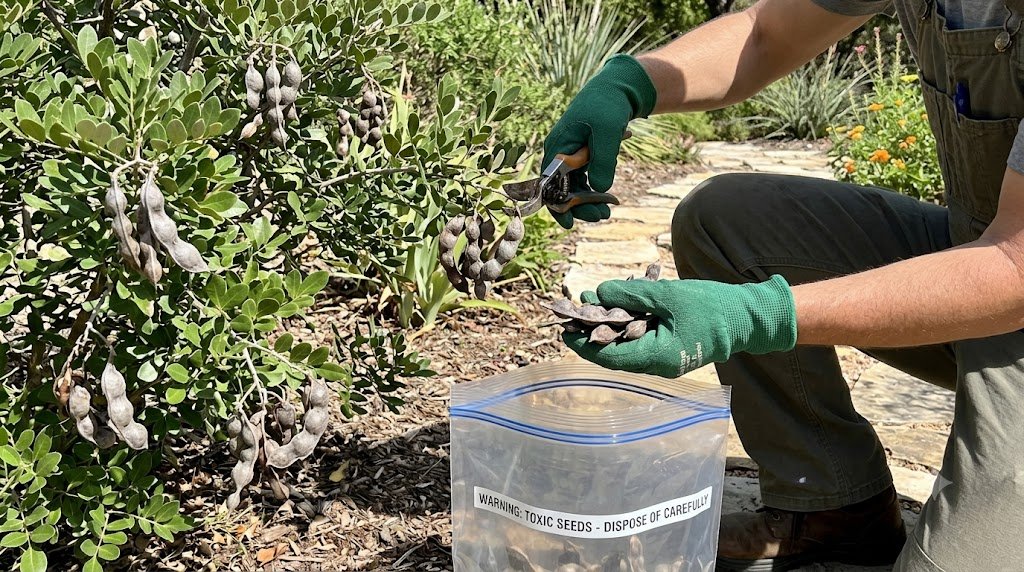
You can enjoy this beautiful native shrub without danger by following smart management practices.
- Prune pods early: Cut off all seed pods in late spring before they harden and turn red. This prevents the most toxic part from forming.
- Fence it off: Install a decorative barrier or low fence around the plant if you have dogs or young children who roam the yard.
- Teach family members: Ensure everyone knows that no part of the plant is edible. The bright red seeds are especially attractive to children.
- Dispose carefully: Always wear gloves when handling pruned material. Seal pods and leaves in a plastic bag and throw them in the trash — never compost or burn them (smoke can carry toxins).
With these steps, you minimize the risk of mountain laurel toxicity while still enjoying its fragrant purple flowers and evergreen foliage.
Frequently Asked Questions About Texas Mountain Laurel Toxicity
Q: Is texas mountain laurel toxic to humans if only touched?
A: Skin contact with the plant is not dangerous for most people, though some sensitive individuals may develop mild irritation. The real risk is ingestion — especially of the seeds.
Q: Can texas mountain laurel seeds poisonous to dogs cause death?
A: Yes, especially in small dogs. Ingesting 3-5 seeds can be fatal without prompt veterinary treatment. Always watch for symptoms like vomiting, tremors, or seizures.
Q: Are the flowers safe for bees and honey?
A: Bees collect nectar from the flowers, and the resulting honey contains trace amounts of cytisine. While rarely harmful to humans in small amounts, it is not recommended for infants or people with compromised health.
Q: What is the difference between Texas mountain laurel poisonous effects and mountain laurel toxicity from other species?
A: True Texas mountain laurel (Sophora secundiflora) contains cytisine, while the eastern mountain laurel (Kalmia latifolia) contains grayanotoxins. Both are highly toxic but cause different symptom profiles — cytisine mimics nicotine, while grayanotoxins affect sodium channels.
Finally, the responsibility of protecting children and pets from toxic plants extends beyond simply identifying the texas mountain laurel poisonous nature, as you must also ensure that all family members and visitors understand the risks associated with this shrub.
Regularly inspecting your garden for fallen seeds and pods during the late summer and fall months is a critical maintenance task that significantly reduces the likelihood of accidental ingestion by a roaming pet or playful toddler.
Educating yourself through trusted extension services and veterinary resources empowers you to make informed decisions about which plants to include in your landscape and how to manage those already present on your property. Comprehensive knowledge, vigilant supervision, and immediate medical intervention when needed form the complete shield that every responsible pet owner and gardener must maintain against the serious dangers of this native Texas plant.