Choosing cat safe christmas plants is essential for pet owners who want to avoid toxic varieties like poinsettias or lilies during the holiday season.
Many common festive plants can pose serious health risks to felines, but several beautiful and non-toxic alternatives exist to keep your home both merry and secure.
This article will guide you through the most reliable options, practical decorating tips, and how to identify which greenery is truly safe for your curious cat.
What Are Cat-Safe Christmas Plants?
Cat-safe Christmas plants are holiday greenery varieties that contain no toxic compounds harmful to felines, letting you decorate worry-free.
- Identify the plant’s exact species using its botanical name.
- Verify safety on the ASPCA or Pet Poison Helpline website.
- Remove any fallen leaves or petals immediately to avoid curious nibbling.
- Place plants on high shelves or in hanging baskets if your cat is a jumper.
Why Some Christmas Plants Are Dangerous for Cats
Many popular holiday plants contain calcium oxalate crystals, saponins, or other irritants that cause vomiting, drooling, or kidney failure in cats.
For example, lilies (often forced for winter blooms) are lethal—even one lick of pollen can cause acute kidney injury, Poinsettias, though less dangerous than myth suggests, still irritate a cat’s mouth and stomach, The key danger is that cats lack certain liver enzymes to break down these plant toxins, making even small ingestions risky.
Best Christmas Plants That Are Safe for Cats
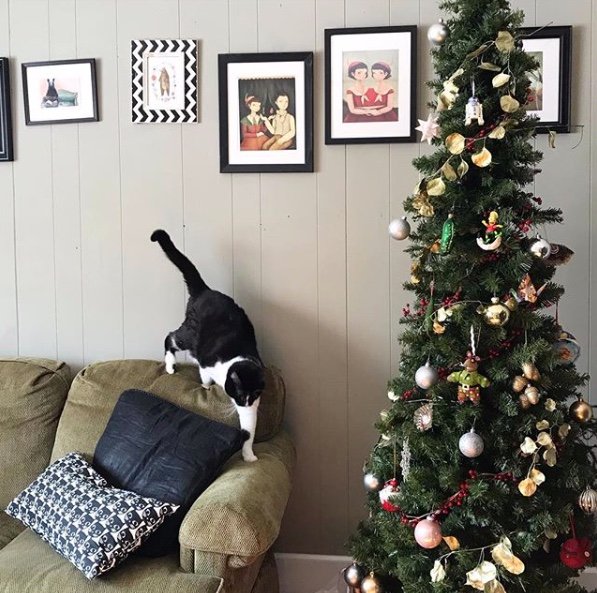
These non toxic christmas plants for cats let you keep festive greenery without emergency vet visits.
| Plant Name | Why It’s Safe | Care Level |
|---|---|---|
| Christmas Cactus | No toxic compounds; blooms in winter colors. | Easy |
| Spider Plant | Non-toxic and pet safe christmas plants classic. | Very Easy |
| Areca Palm | Cat friendly christmas plants alternative to toxic pines. | Moderate |
| Boston Fern | Humidity-loving, safe for nibbling. | Moderate |
Christmas Flowers Safe for Cats
Certain christmas flowers safe for cats include roses, sunflowers, and orchids—skip the lilies and amaryllis.
When selecting bouquets, choose snapdragons, statice, or wax flower as filler instead of eucalyptus or baby’s breath (mildly toxic), Even non toxic blooms like orchids should have their stems trimmed and pollen removed to reduce temptation, A simple arrangement of white roses and red carnations delivers festive color without endangering your feline friend.
Christmas Greenery That Is Pet Friendly
Christmas greenery safe for cats includes true firs (like Fraser fir), but skip the yew and mistletoe.
– Question: Can I use real pine garlands if I have a cat?
– Answer: Yes, but choose noble or balsam fir—their needles are not toxic, though sharp edges can cause minor mouth irritation, Always secure garlands out of jumping reach and sweep fallen needles daily to prevent intestinal blockages.
For artificial greenery, opt for fabric or plastic garlands labeled as pet friendly holiday plants—avoid those with glitter or small plastic berries that cats might ingest.
Popular Holiday Plants That Are Toxic to Cats
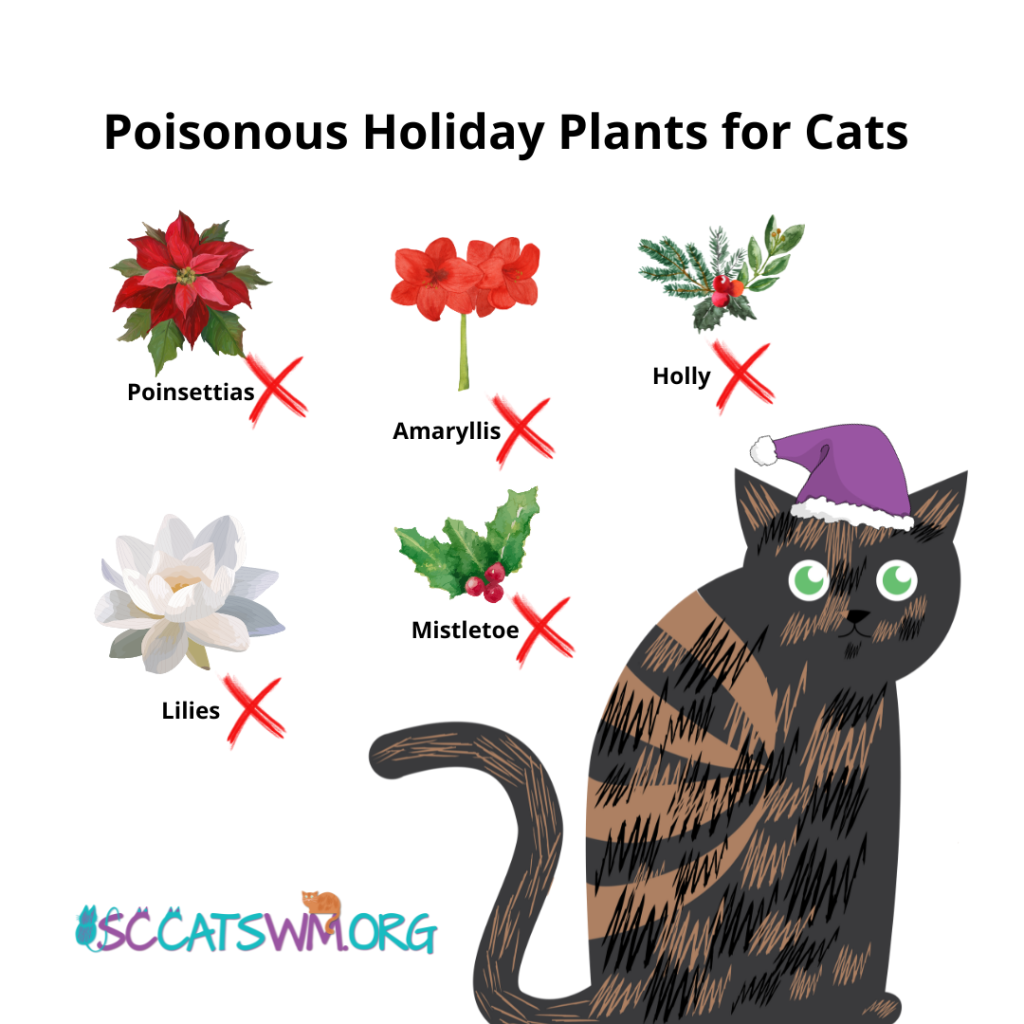
Plants toxic to cats at christmas include poinsettia, holly, mistletoe, lilies, and amaryllis—keep these out of your home entirely.
How to Decorate With Christmas Plants Around Cats
Strategic placement and smart choices let you enjoy safe holiday plants for cats without constant supervision.
- Hang plants in macrame holders from ceiling hooks or sturdy curtain rods—cats can’t reach dangling greenery from below.
- Use terrariums with lids for small succulents like Haworthia; the glass barrier allows full visibility while preventing paw access.
- Cluster safe plants together on a high shelf or mantel, away from furniture cats use as launching pads, creating a mini jungle they can admire from afar.
- Apply bitter apple spray to the pot rim and base—most cats dislike the taste, reinforcing avoidance without harming the plant.
What to Do If Your Cat Eats a Christmas Plant
Act calmly but quickly—immediate steps reduce risk even if the plant is among safe holiday plants for cats.
– Question: Should I induce vomiting if my cat eats a plant?
– Answer: Never induce vomiting unless specifically instructed by a veterinarian—some plants like lilies cause more damage when regurgitated, Instead, remove any plant material from the mouth, offer fresh water, and call the Pet Poison Helpline (800-213-6680) immediately with the plant name and amount ingested, For plants toxic to cats at christmas like holly berries, even one berry warrants a call, Symptoms like drooling, pawing at the mouth, or vomiting within 2 hours confirm ingestion, Bring a sample of the plant to the vet for identification; a photo with the botanical name helps speed diagnosis, Most reactions to non toxic varieties like Christmas cactus are mild, but monitoring for 24 hours is wise.
Tips for Creating a Cat-Friendly Holiday Home
Blend festive decor with feline safety using these creative strategies for cat friendly christmas plants and beyond.
| Decor Element | Cat-Safe Swap | Why It Works |
|---|---|---|
| Holly wreath | Faux eucalyptus garland | No sharp leaves; non toxic if chewed |
| Poinsettia centerpiece | Christmas cactus in a ceramic pot | Same festive color, zero toxins |
| Mistletoe hanging | Artificial mistletoe (fabric only) | No berries to fall; safe for curious paws |
| Pine garland | Fabric garland with red ribbons | No needle ingestion; reusable yearly |
How to Choose Safe Seasonal Plants for Pets
Use a simple checklist before purchasing to ensure all non toxic christmas plants for cats meet safety standards.
First, research the plant’s scientific name on the ASPCA toxic and non-toxic plant database—common names like ‘Christmas rose’ actually refer to Hellebore, which is toxic, Second, avoid plants with milky sap (poinsettias), shiny red berries (holly), or bulbous roots (amaryllis) as these are classic indicators of danger, Third, buy from reputable nurseries that label plants with full care and toxicity details; farmers’ markets may sell unlabeled varieties, Fourth, inspect for pesticide residues by asking the seller if the plant was treated with systemic insecticides—these can linger in leaves and cause drooling even in pet friendly holiday plants, Finally, choose plants with smooth, non-spiky foliage to reduce mouth abrasions if your cat takes a tentative bite, By cross-referencing safety lists and observing physical traits, you confidently select christmas plants safe for cats that flourish indoors.
Frequently Asked Questions About Cat-Safe Christmas Plants
Quick answers to common concerns about greenery safety during the holidays.
– Question: Are Christmas cacti really 100% safe for cats?
– Answer: Yes, the Christmas cactus (Schlumbergera bridgesii) is listed as non-toxic by the ASPCA, containing no harmful compounds, However, its fibrous leaves can cause mild gastrointestinal upset if eaten in large amounts, so monitor your cat’s intake.
– Question: Can I use real pine needles in my decor if I have a cat?
– Answer: True fir needles (e.g., Fraser, noble) are not toxic but can cause intestinal blockages if swallowed, Sweep daily and avoid sharp-needled spruce or pine varieties that may puncture the mouth.
– Question: What should I do if my cat eats a poinsettia leaf?
– Answer: Poinsettias are low-toxicity; you may see drooling or vomiting, Offer water and call your vet if symptoms persist, The sap can irritate skin, so wash any exposed areas on your cat.
– Question: Are there any cat safe christmas plants I can grow myself?
– Answer: Absolutely—try growing catnip (Nepeta cataria) or cat grass (wheatgrass) in small pots, Both are safe, easy to maintain indoors, and give your cat a designated nibbling option away from your holiday arrangements.
Choosing cat safe christmas plants for your holiday decorations ensures that your festive greenery brings joy without endangering your feline companions through toxic exposures, Responsible pet owners can confidently select from our curated list of non‑toxic options like true Christmas cactus, spider plants, and Boston ferns to create a beautiful and worry‑free seasonal atmosphere, Prioritizing these verified safe alternatives not only protects your cat from potential poisoning but also allows everyone in the household to fully enjoy the holiday spirit without unnecessary stress or emergency vet visits, By making informed decisions about your plant choices, you demonstrate a commitment to both your pet’s well‑being and the aesthetic charm of your home during the most wonderful time of the year.
As you prepare your home for the holidays, remember that a little research goes a long way in preventing accidental ingestion of harmful foliage such as poinsettias, lilies, or mistletoe that could cause serious health issues, The American Society for the Prevention of Cruelty to Animals (ASPCA) provides an extensive database of toxic and non‑toxic plants that serves as an invaluable resource for any pet‑friendly household, Incorporating cat safe christmas plants into your decor is a simple yet impactful step toward a safer environment where your curious cat can explore freely while you relax amidst the twinkling lights and seasonal scents.
Ultimately, celebrating the holidays with pet‑safe greenery reflects a thoughtful balance between tradition and responsible pet ownership that every cat lover can embrace, When you intentionally select plants that are proven harmless to cats, you create a welcoming space where festive beauty coexists with the health and happiness of your furry family members, This guide has equipped you with the knowledge to make wise choices, so go ahead and deck the halls with confidence knowing that your cat safe christmas plants will contribute to a merry and safe holiday season for all.