When homeowners ask whether is carolina jasmine poisonous, the direct answer is yes, as all parts of this popular vine contain toxic alkaloids that pose serious risks to humans and animals alike.
Understanding this plant’s dangers is critical because ingestion can lead to severe symptoms ranging from digestive distress to life-threatening respiratory failure in both pets and children.
This article will explain the specific toxic compounds involved, outline the symptoms of poisoning, and provide practical steps for safe gardening and emergency response.
What Is Carolina Jasmine?
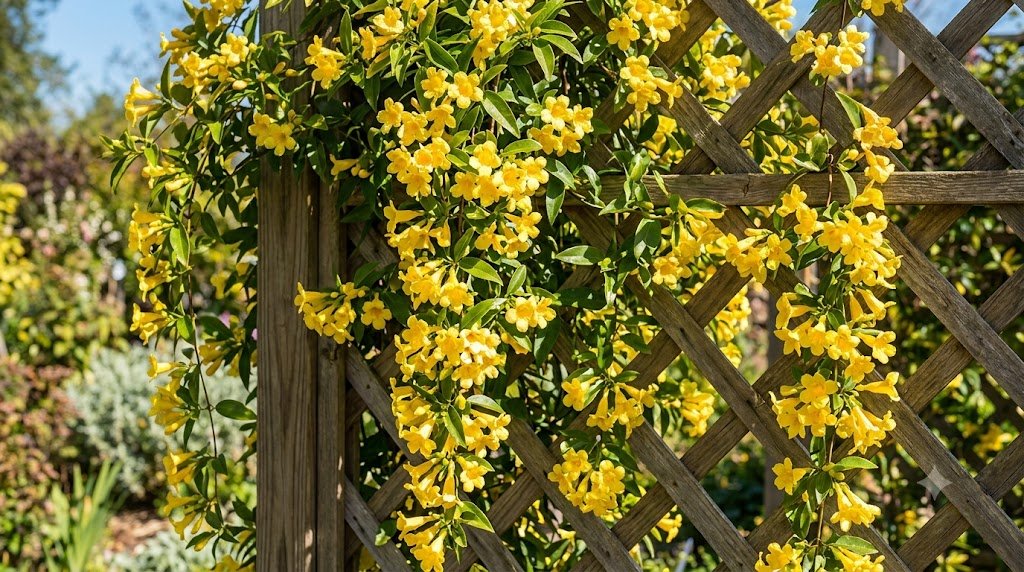
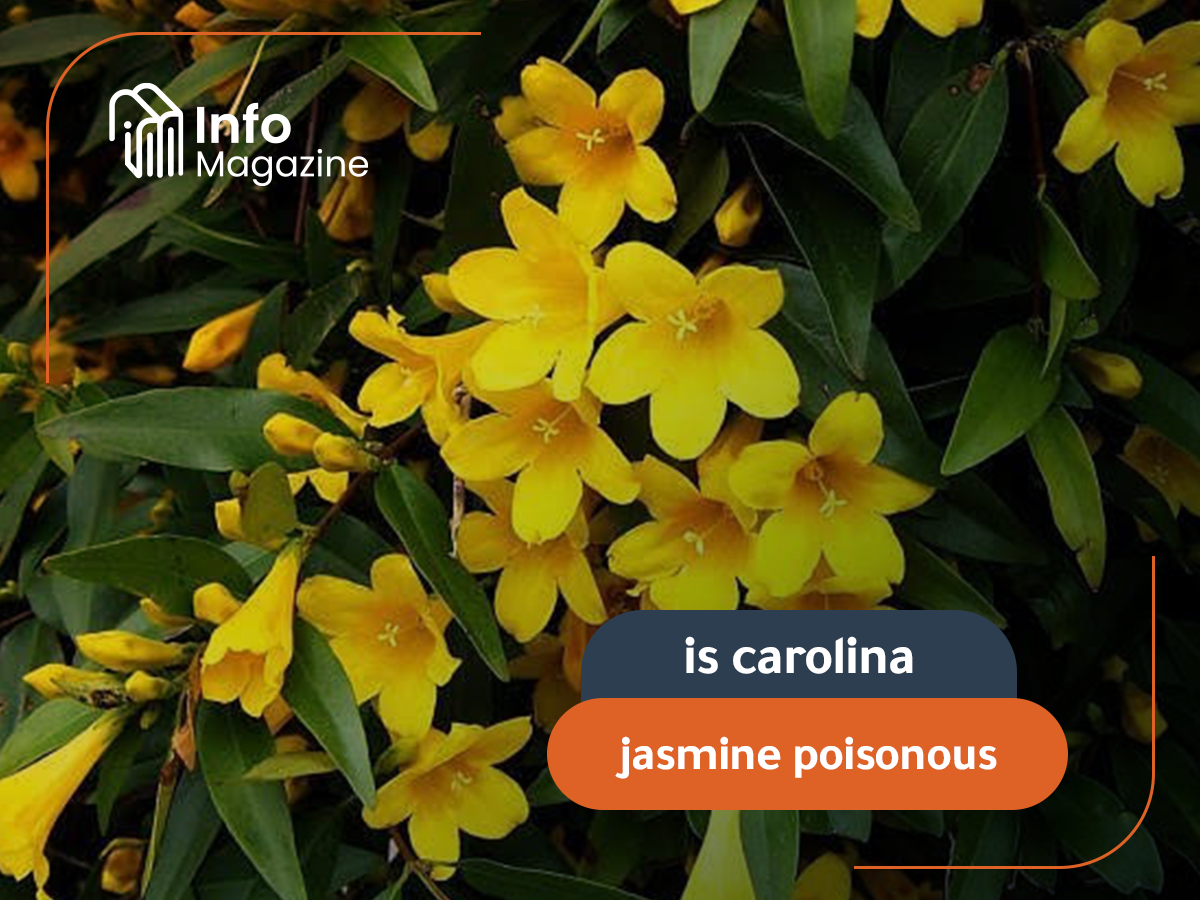
Carolina jasmine is a fragrant, evergreen vine native to the southeastern United States, often admired for its bright yellow trumpet-shaped flowers.
- Scientific name: Gelsemium sempervirens — also known as yellow jessamine or false jasmine.
- Growth habit: Twining woody vine reaching up to 20 feet, flowering in early spring.
- Appearance: Glossy, lance-shaped leaves; clusters of 5-petaled, golden-yellow flowers.
- Confusion alert: Despite the name, it is not a true jasmine (Jasminum species) and contains potent toxins.
Understanding gelsemium sempervirens toxicity is crucial before planting this vine near homes, pets, or children.
Is Carolina Jasmine Poisonous?
Yes, every part of carolina jasmine is poisonous to humans, dogs, cats, and other animals if ingested.
This plant contains alkaloids that affect the central nervous system, and even small amounts can cause serious complications, The answer to is carolina jasmine poisonous is a definitive yes — it is considered one of the more dangerous ornamental vines in warm climates.
For pet owners, the risk of carolina jasmine toxic to dogs is particularly high because dogs may dig up or chew on fallen plant parts.
What Makes Carolina Jasmine Toxic?
The plant contains several powerful alkaloids, primarily gelsemine, that act as neurotoxins by blocking nerve transmission.
The primary toxic compounds include:
- Gelsemine: A potent neurotoxin that causes paralysis of the motor nerves.
- Gelsemicine: A related alkaloid with similar but more pronounced muscle‑relaxing effects.
- Sempervirine: An iridoid alkaloid that can depress respiratory function.
These substances disrupt the body’s ability to control muscles and breathing, explaining why carolina jasmine poisoning symptoms escalate rapidly and require emergency care.
Which Parts of the Plant Are Poisonous?
All parts of carolina jasmine — leaves, stems, flowers, roots, and nectar — contain toxic alkaloids.
| Plant Part | Toxin Concentration | Primary Danger |
|---|---|---|
| Leaves and stems | High | Digestive upset, neurological effects |
| Flowers (including nectar) | Moderate to high | Salivation, muscle weakness, respiratory suppression |
| Roots | Highest | Rapid onset of paralysis, cardiac arrest |
| Pollen and sap | Low to moderate | Skin irritation, possible allergic reactions |
Because toxin levels vary, carolina jasmine plant toxicity is considered uniformly dangerous regardless of which part is consumed, This makes the vine a high‑risk plant, especially for pets and young children who may explore with their mouths.
Symptoms of Carolina Jasmine Poisoning
Symptoms appear rapidly — typically within 30 to 60 minutes — and can escalate from mild to life‑threatening.
Question: What are the first signs of carolina jasmine poisoning in a pet or person?
Answer: The earliest indicators include excessive drooling, nausea, and muscle tremors, Within an hour, victims may develop dilated pupils, difficulty walking, labored breathing, and convulsions, Without immediate medical intervention, paralysis and respiratory failure can occur.
Symptom breakdown by type of exposure:
- In humans: Dizziness, blurred vision, vomiting, rapid heartbeat, and eventual coma in severe cases.
- In dogs and cats: Hypersalivation, vomiting, diarrhea, weakness, incoordination, and seizures, Carolina jasmine toxic to dogs often presents as sudden collapse after chewing on stems or flowers.
- In children: Because of their smaller body weight, children are at extreme risk of carolina jasmine toxic to humans even after ingesting a single flower.
Always monitor for carolina jasmine poisoning symptoms after known exposure, even if the person or pet appears fine initially.
Is Carolina Jasmine Toxic to Humans?
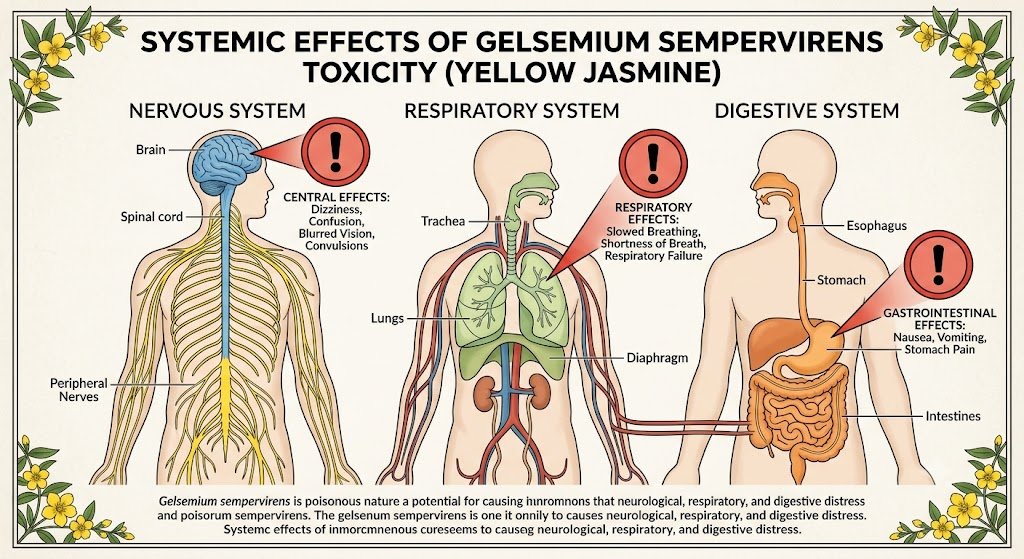
Carolina jasmine is highly toxic to humans, affecting the nervous system and requiring emergency attention.
Even a single flower or leaf can overwhelm an adult or child with potent neurotoxins, The answer to carolina jasmine poisonous for humans is unequivocally yes, Symptoms include drooling, blurred vision, muscular weakness, slowed heart rate, and respiratory depression, Children under five are at greatest risk because of their low body weight, Yellow jessamine toxicity in humans has been documented for centuries—early settlers used the plant in folk remedies, often with fatal results, If a person ingests any part of this vine, call Poison Control immediately, Do not wait for symptoms to appear.
- Immediate action: Remove any remaining plant material from the mouth, Do not induce vomiting unless instructed by a medical professional.
- Symptom onset: Watch for flushing, dizziness, and pupil dilation within 15 to 30 minutes.
- Emergency care: In the ER, doctors may administer activated charcoal and provide respiratory support.
- Long-term outlook: With prompt treatment, most patients recover fully, though severe cases may require hospital monitoring for 24–48 hours.
Is Carolina Jasmine Poisonous to Pets?
Every part of this vine is dangerous to dogs, cats, and other animals, with rapid onset of severe symptoms.
Carolina jasmine toxic to dogs is a leading concern for pet owners who let their dogs explore gardens, Dogs often chew on fallen stems or dig up roots, and cats may groom contaminated pollen from their fur, The primary threat is carolina jasmine plant toxicity that hits the nervous system within 30 minutes, Common signs include hypersalivation, vomiting, disorientation, and muscle tremors, Without treatment, the pet may experience seizures or respiratory failure.
For a quick comparison of exposure risks across typical home pets:
| Pet Type | Common Exposure Route | Onset of Symptoms | Typical Recovery Time |
|---|---|---|---|
| Dog (medium, 20 kg) | Chewing stems or leaves | 20–40 minutes | 12–36 hours with IV fluids |
| Cat (4 kg) | Grooming pollen from fur | 10–30 minutes | 24–48 hours with supportive care |
| Small mammal (rabbit, 2 kg) | Ingesting fallen flowers | 15–25 minutes | 48–72 hours, often ICU needed |
Carolina jasmine poisoning symptoms in pets escalate faster than in humans because of faster metabolisms, If your pet shows any sign of distress after exposure, do not hesitate—drive to the nearest emergency veterinary hospital.
What to Do After Exposure to Carolina Jasmine
Every second counts; follow these four critical steps to minimize harm and maximize recovery chance.
Here is the step‑by‑step emergency protocol broken into a clear chronological list:
- Stop all exposure: Remove the person or pet from the area, Rinse the mouth gently with water, For pets, wash any pollen off the fur using mild soap and warm water.
- Call for help: For humans, dial 1-800-222-1222 (U.S, Poison Control), For pets, call your veterinarian or the ASPCA Animal Poison Control Center at (888) 426-4435, State clearly that the toxin is from carolina jasmine poisonous plant material.
- Monitor vital signs: Check breathing, pulse, and level of consciousness, If the victim stops breathing, begin CPR if you are trained, Do not give anything by mouth unless told to.
- Collect plant evidence: Seal a leaf, flower, or stem in a plastic bag and bring it to the hospital or vet clinic, This helps confirm the diagnosis and speeds up antidote decisions.
Frequently Asked Questions About Carolina Jasmine Toxicity
This section answers the most common concerns about the plant’s danger in home and garden settings.
Question: Can touching carolina jasmine cause a reaction?
Answer: Yes, the sap and pollen can cause skin irritation, redness, or itching in sensitive individuals, While the main danger is from ingestion, handling the plant without gloves may lead to mild contact dermatitis, Wash exposed skin thoroughly with soap and water.
Question: Is it safe to have carolina jasmine in a garden with a fence?
Answer: Only if pets and children cannot access any fallen plant parts, The vine sheds leaves and flowers easily, so even with a fence, wind‑borne debris can scatter into accessible areas, Many veterinarians advise against planting it entirely if you have curious pets or toddlers.
Question: How does carolina jasmine toxic to humans compare to other toxic plants?
Answer: It is more dangerous than many common ornamentals (like oleander or foxglove) because symptoms appear faster and can include rapid respiratory paralysis, The LD50 (lethal dose 50%) of gelsemine in humans is estimated at 3–5 mg/kg, making it one of the most potent neurotoxic plants in North America.
Question: Are there any known antidotes?
Answer: There is no specific antidote for yellow jessamine toxicity, Treatment focuses on supportive care: respiratory support, intravenous fluids, activated charcoal if ingestion was recent, and medications to control seizures or heart rate, Early intervention dramatically improves the outcome.
To protect your family and pets while still enjoying the ornamental beauty of Carolina jasmine, you must plant it in a location that is completely inaccessible to curious children and animals, such as behind a tall fence or on an elevated trellis, Educating everyone in your household about the serious risks and ensuring that you have the number for a poison control center saved in your phone can make the difference between a close call and a tragedy.
Ultimately, the definitive answer to the question is carolina jasmine poisonous is a resounding yes, and this knowledge should guide every decision you make about planting, pruning, and supervising this deceptive but dangerous vine.