Yellow oleander poisoning is a severe medical emergency that occurs when someone ingests any part of this highly toxic ornamental plant, leading to potentially fatal cardiac complications, Recognizing the symptoms immediately and seeking emergency medical intervention can significantly increase the chances of survival and prevent long-term health damage,
This article will provide a comprehensive overview of the causes, critical warning signs, and the most effective immediate treatment options for managing this dangerous condition.
What Is Yellow Oleander Poisoning?
Yellow oleander poisoning occurs when a person ingests any part of the yellow oleander plant, triggering severe cardiac toxicity due to potent cardiac glycosides.
Why Is Yellow Oleander So Poisonous?
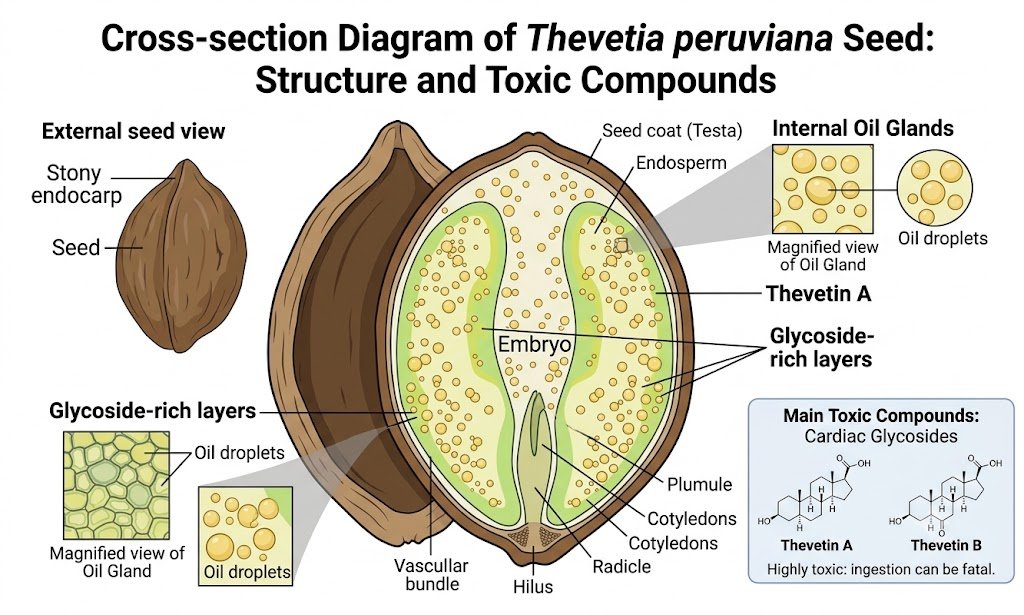
Thevetia peruviana poisoning is caused by powerful cardiac glycosides—primarily thevetin A and B—that directly attack the heart’s electrical system.
- Cardiac Glycoside Mechanism: These compounds inhibit the sodium-potassium ATPase pump in heart cells, increasing intracellular calcium and disrupting normal electrical activity, This is the same mechanism behind many cardiac glycoside poisoning cases from plants like digitalis.
- Extreme Potency: Just one or two seeds can be lethal to an adult, Thevetin B is especially potent, leading to severe bradycardia and heart block.
- Rapid Absorption: Toxins enter the bloodstream through the digestive tract within 30 minutes to 2 hours, quickly reaching the heart and causing serious yellow oleander toxic effects.
Which Parts of the Yellow Oleander Plant Are Toxic?
All parts of this ornamental shrub are highly toxic, but seed concentration is highest—up to 30 times more potent than leaves or stems.
| Plant Part | Toxin Concentration | Lethal Amount (for adult) |
|---|---|---|
| Seeds (kernel) | Extremely high (primary source) | 1–2 seeds |
| Leaves | Moderate | 10–20 leaves |
| Bark & Sap | Low–Moderate | Variable, but toxic |
| Flowers & Fruit pulp | Low (but still dangerous) | Multiple fruits possible |
📊 Stat Focus: Studies show that yellow oleander seed poisoning accounts for over 70% of all cardiac glycoside plant poisonings in tropical regions, with a case fatality rate of 5–10% even with hospital care.
How Yellow Oleander Poisoning Occurs
Ingestion is the primary route—either accidental (children, pets) or intentional (suicide attempts), Skin contact with sap can cause local irritation but rarely systemic toxicity.
- Accidental Ingestion: Children are often attracted to the bright yellow, plum-like fruit, Chewing even one seed causes rapid yellow oleander poisoning symptoms.
- Misidentification: The fruit resembles edible yellow plums or apricots, leading to thevetia peruviana poisoning in foragers or gardeners.
- Herbal Misuse: Some folk remedies use yellow oleander as a cardiotonic or abortifacient, resulting in dangerous overdoses.
- Intentional Overdose: The plant is commonly used in self-harm in South Asia; the seeds are crushed and mixed with water or food.
Early Symptoms of Yellow Oleander Poisoning
Initial signs appear within 30 minutes to 3 hours post-ingestion, primarily gastrointestinal and neurological in nature.
- Nausea & Vomiting: Often the first symptom, triggered by local irritation and vagal stimulation.
- Abdominal Pain & Diarrhea: Cramping and frequent watery stools occur due to autonomic nervous system disruption.
- Dizziness & Confusion: As cardiac output decreases, cerebral perfusion drops, causing lightheadedness and disorientation.
- Excessive Salivation & Sweating: Cholinergic effects from the glycosides stimulate gland secretions.
- Visual Disturbances: Blurred vision, yellow-tinted vision (xanthopsia), and halos around lights—classic signs of cardiac glycoside poisoning.
Severe Symptoms and Heart-Related Complications
Without treatment, progressive cardiac toxicity leads to life-threatening arrhythmias, hypotension, and cardiogenic shock.
- Bradycardia & Heart Block: The most common severe rhythm disturbance—heart rate drops below 40 bpm, and atrioventricular block occurs, requiring pacing.
- Ventricular Arrhythmias: Premature ventricular contractions (PVCs), ventricular tachycardia, and torsades de pointes can develop within 4–12 hours.
- Hypotension & Shock: Reduced cardiac contractility leads to dangerously low blood pressure, cold extremities, and altered mental status.
- Hyperkalemia: Sodium-potassium pump inhibition causes extracellular potassium surge, worsening arrhythmia risk and muscle weakness.
- Seizures & Coma: Cerebral hypoxia from poor perfusion can trigger generalized tonic-clonic seizures and loss of consciousness.
📊 Stat Focus: In severe yellow oleander toxicity, mortality without antidote (digoxin-specific Fab fragments) exceeds 30%, but timely administration reduces death rate to less than 2%.
How Yellow Oleander Poisoning Is Diagnosed
Diagnosis relies on clinical history, ECG findings, and confirmatory lab tests for cardiac glycosides.
- History & Physical Exam: The doctor asks about plant ingestion, symptoms like vomiting, vision changes, and heart rate irregularities.
- 12-Lead ECG: This is the bedside cornerstone, Look for bradycardia, PR interval prolongation, peaked T waves (early hyperkalemia), or atrial tachycardia with block—all hallmarks of cardiac glycoside poisoning.
- Serum Potassium & Digoxin Level: Hyperkalemia (K+ above 5.5 mEq/L) strongly correlates with severe toxicity, A digoxin immunoassay level >2 ng/mL in the absence of digoxin therapy confirms thevetia peruviana poisoning.
- Continuous Cardiac Monitoring: Patients are placed on telemetry for at least 24 hours to detect evolving arrhythmias or heart block that require pacing.
What to Do If Someone Eats Yellow Oleander
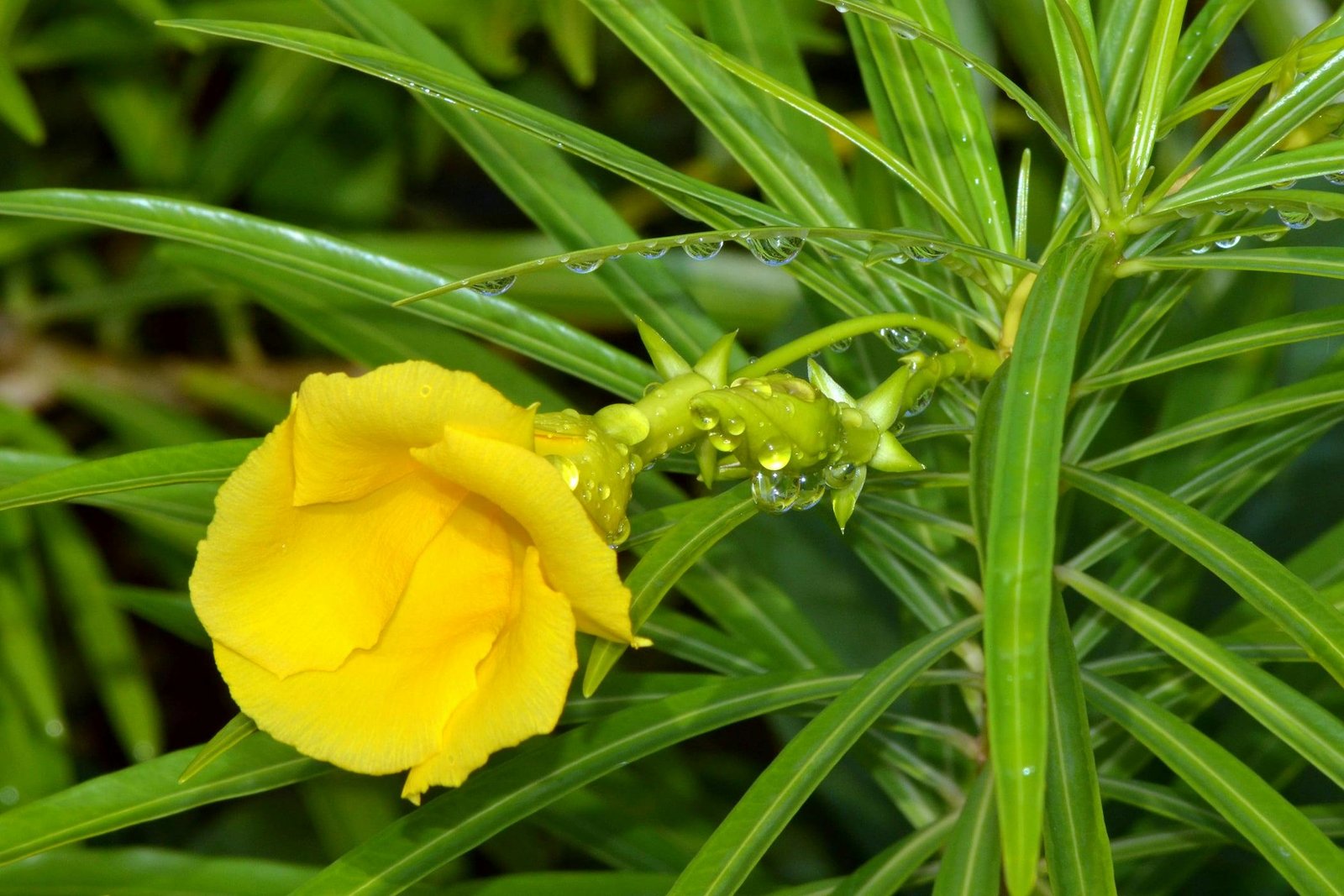
Immediate action within minutes can dramatically improve survival odds in yellow oleander seed poisoning.
- Call Emergency Services Immediately: Dial 911 (or local poison control 1-800-222-1222), Time is myocardium.
- Keep the Person Calm and Still: Limit physical activity to reduce cardiac demand and prevent arrhythmia provocation.
- Collect Plant Material: Bring a sample of the ingested plant (seed, leaf, fruit) to the hospital for identification.
- Monitor Breathing and Pulse: If the victim becomes unconscious or stops breathing, start CPR immediately while awaiting emergency responders.
How Yellow Oleander Poisoning Is Treated
Treatment centers on antidote administration, arrhythmia management, and supportive care for yellow oleander toxic effects.
| Intervention | Mechanism & Action | Time Window |
|---|---|---|
| Digoxin-specific Fab fragments (antidote) | Binds free thevetin glycosides, reversing cardiac toxicity | Most effective if given < 8 hours |
| Activated charcoal (oral) | Absorbs toxins in the GI tract | Within 1 hour of ingestion |
| Atropine | Increases heart rate in symptomatic bradycardia | Immediate, repeated doses |
| Temporary cardiac pacing | Maintains heart rate in high-degree AV block | Until antidote takes effect |
| IV fluids + vasopressors | Support blood pressure and organ perfusion | As long as hypotension persists |
The antidote (Digibind or DigiFab) binds to circulating thevetin molecules, restoring sodium-potassium pump function within 30 minutes, This is the only specific therapy that reverses yellow oleander poisonous effects systemically.
How to Prevent Yellow Oleander Poisoning
Prevention requires public education, responsible gardening, and child-safety measures around this plant toxic to humans.
- 1, Identify & Remove: If you have thevetia peruviana in your garden, consider removing it entirely—especially near play areas, Wear gloves when handling.
- 2, Educate Family Members: Teach children never to eat any berries, seeds, or fruits from unknown plants, This is key to preventing yellow oleander poisoning treatment.
- 3, Secure Seeds & Fruits: Collect fallen yellow oleander fruits immediately, Store pruned branches and seeds in sealed bags before disposal.
- 4, Avoid Herbal Misuse: Do not use yellow oleander in any home remedy, tea, or medicinal preparation, Even experts cannot dose it safely.
- 5, Pet Safety: Keep dogs and cats away from the plant; symptoms in animals include vomiting, collapse, and cardiac arrest.
Frequently Asked Questions About Yellow Oleander Poisoning
Quick answers to common concerns about yellow oleander poisoning symptoms and management.
— Q: Can touching yellow oleander cause poisoning?
A: Skin contact with sap may cause mild irritation or rash, but systemic toxicity through intact skin is extremely rare, However, wash hands thoroughly after handling and avoid touching eyes or mouth.
— Q: How long does it take for yellow oleander poisoning symptoms to appear?
A: Symptoms like nausea, vomiting, and blurred vision typically start 30 minutes to 3 hours after ingestion, Heart rhythm changes appear within 2 to 6 hours.
— Q: Is there a home antidote for yellow oleander toxicity?
A: No, There is no safe home antidote, Medical treatment with digoxin-specific Fab fragments is the only effective remedy, Activated charcoal given in the ER is standard but not a substitute for antidote.
— Q: Can a person survive yellow oleander seed poisoning without treatment?
A: Survival without medical care is possible only with very small ingestions (e.g., one leaf), Even one seed can be lethal without antidote, Immediate hospital care dramatically reduces mortality.
— Q: Are all types of oleander equally poisonous?
A: Yellow oleander (Thevetia peruviana) contains different glycosides (thevetin) than pink oleander (Nerium oleander), but both are highly toxic, Cross-reactivity with digoxin antibody is better for yellow oleander than for pink oleander.
Understanding the critical steps for managing yellow oleander poisoning can mean the difference between life and death in an emergency situation, Every minute counts when dealing with this potent cardiac glycoside toxin, and immediate medical intervention is absolutely essential for survival, The rapid administration of antidotes like Digoxin-specific Fab fragments has dramatically improved outcomes for patients suffering from severe yellow oleander poisoning in recent years, Awareness of the symptoms and knowing how to respond effectively before reaching a hospital can significantly reduce the risk of fatal cardiac arrhythmias, By following these ten life-saving steps, you empower yourself to act swiftly and decisively when confronted with a potential case of yellow oleander poisoning.