Understanding datura toxicity is absolutely critical for anyone who might encounter this dangerous plant in gardens or wild areas, The seemingly innocent angel’s trumpet contains potent tropane alkaloids that can induce severe anticholinergic syndrome within minutes of accidental ingestion or even skin contact, These powerful toxins attack the nervous system, causing symptoms that progress rapidly from dry mouth and blurred vision to terrifying hallucinations, dangerous hyperthermia, and potentially fatal respiratory failure,
This comprehensive guide will explore the most common routes of poisoning, provide a detailed breakdown of symptom progression, outline life-saving emergency response protocols, and discuss essential measures for preventing accidental exposure to this highly toxic botanical.
What Is Datura Toxicity?
Datura toxicity refers to poisoning caused by ingesting, touching, or inhaling parts of the Datura plant, which contains dangerous tropane alkaloids.
Why Is Datura So Poisonous?
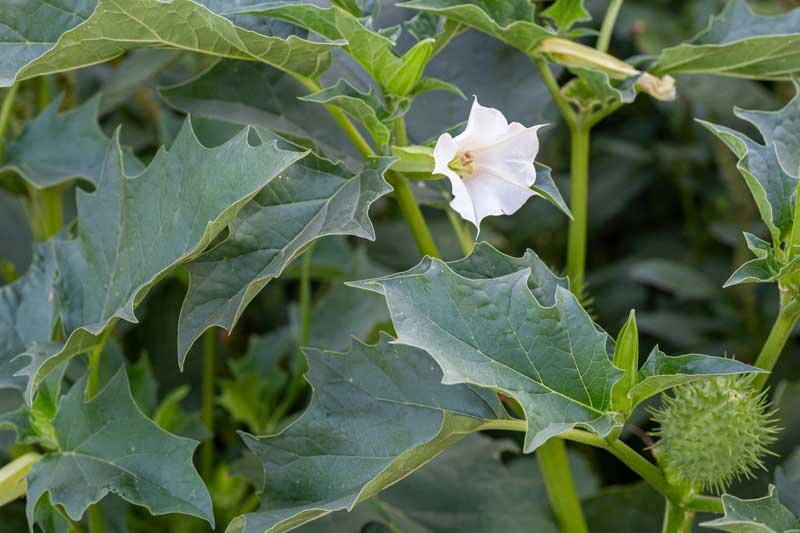
Datura plants produce potent anticholinergic alkaloids like atropine, scopolamine, and hyoscyamine that disrupt the nervous system.
Which Parts of the Datura Plant Are Toxic?
Every part of the Datura plant is poisonous, but the seeds and roots have the highest concentration of toxins.
- Seeds – Most toxic; eating just 4–5 seeds can trigger jimsonweed toxicity in an adult.
- Leaves – Toxic if chewed or brewed as tea; also jimson weed poisonous to touch can cause skin irritation.
- Flowers & Stems – Contain alkaloids; accidental ingestion by children is common.
- Roots – High toxin levels; often overlooked but extremely dangerous.
How Datura Poisoning Occurs
Poisoning happens through oral ingestion, skin contact, inhalation of smoke, or eye exposure to plant sap.
Early Symptoms of Datura Toxicity
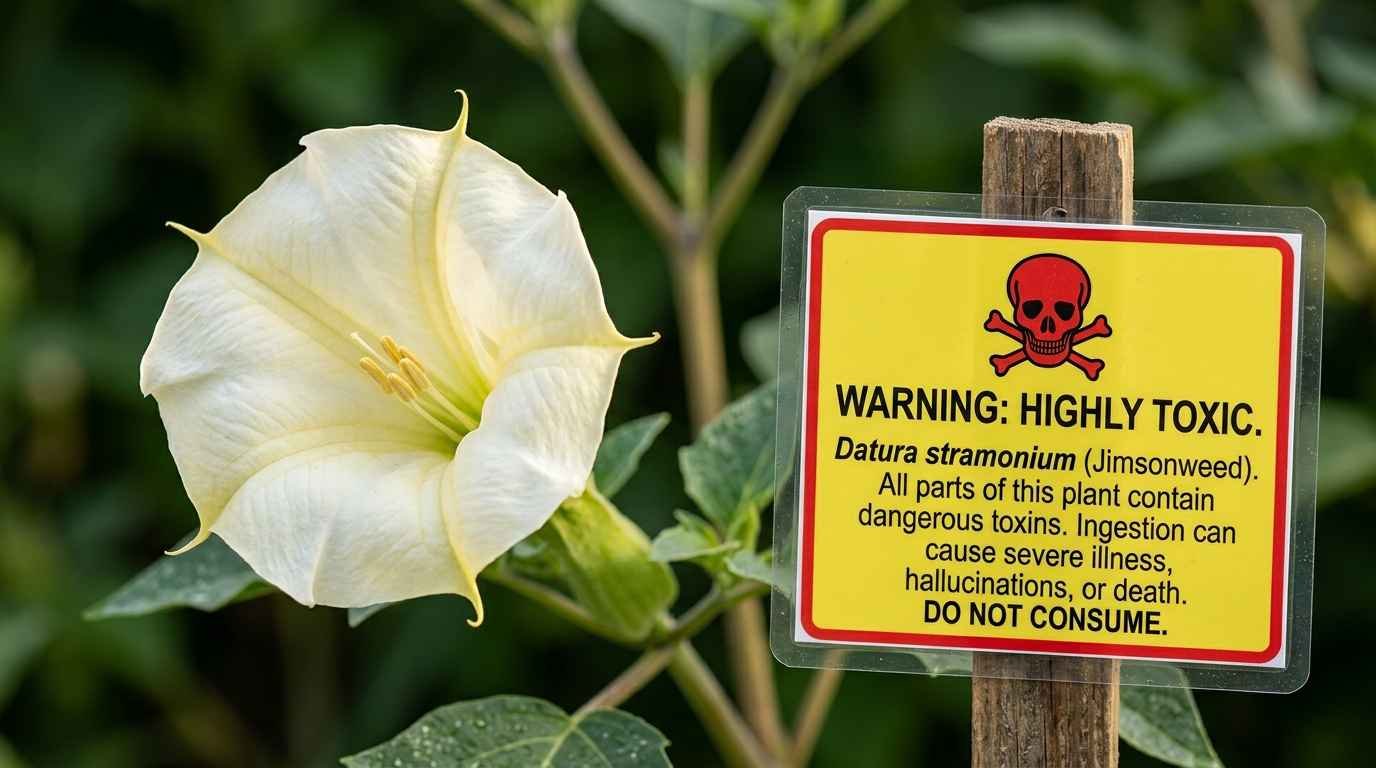
Initial signs of datura toxicity symptoms include dry mouth, blurred vision, and flushed skin, appearing within 30–60 minutes.
Severe Symptoms and Medical Complications
Advanced poisoning leads to hallucinations, seizures, hyperthermia, and coma—requiring immediate emergency intervention for datura poisoning treatment.
- Hallucinations – Vivid, frightening visions that can cause panic and self-harm.
- Seizures – Generalized convulsions due to severe datura toxic effects on the brain.
- Hyperthermia – Body temperature spikes above 104°F (40°C) from blocked sweat glands.
- Coma & Respiratory Failure – Late-stage datura poisoning can stop breathing entirely.
How Long Do Datura Poisoning Symptoms Last?
Symptoms can persist for 24 to 48 hours, but some effects linger for days or weeks.
- Onset – Within 30–60 minutes after exposure, initial signs like dry mouth and blurred vision appear.
- Peak – Severe datura poisoning symptoms peak at 4–6 hours, including hallucinations and agitation.
- Resolution – Most physical symptoms resolve in 24–48 hours with medical care, but confusion and memory loss may persist.
- Long-term – In rare cases, datura toxic effects on cognition and vision can last weeks, especially with high doses.
What to Do If Someone Is Exposed to Datura
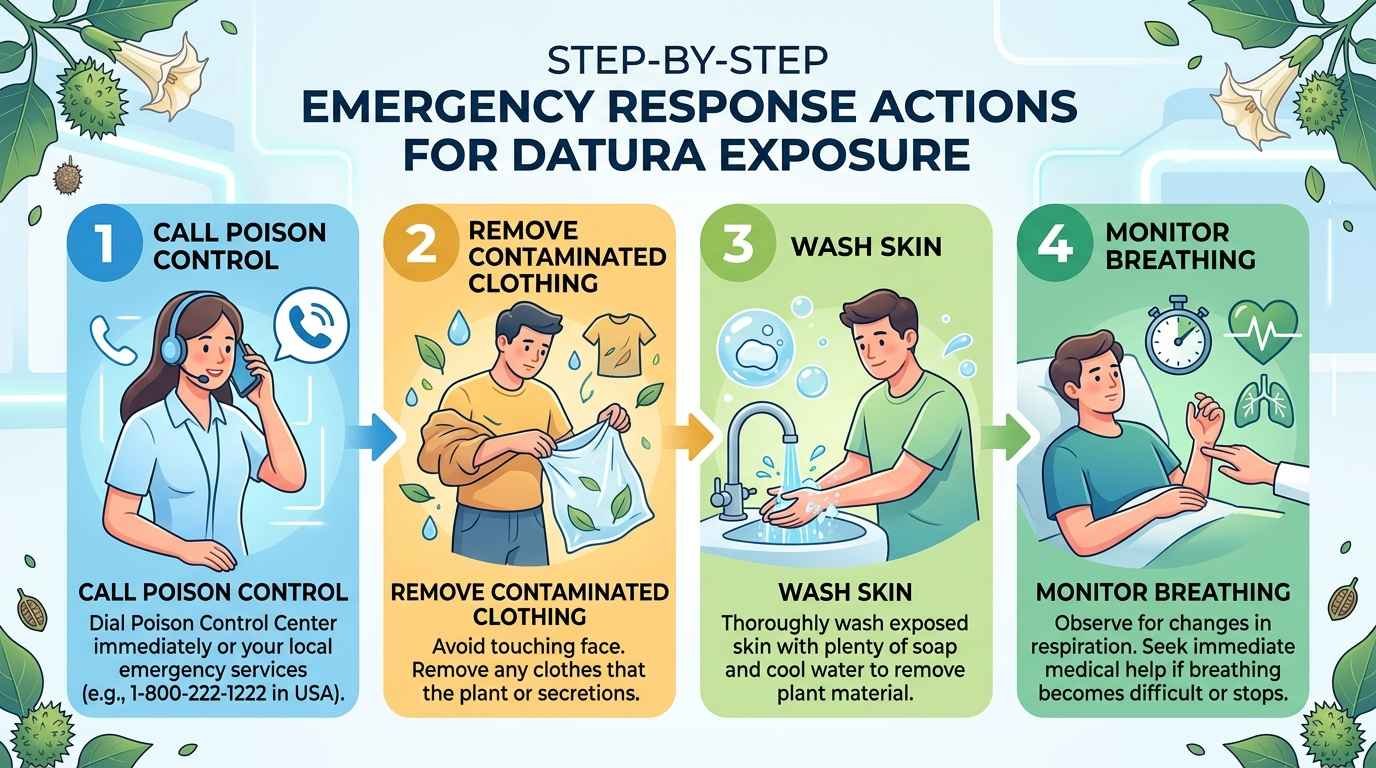
Immediate action can save a life; follow these steps without delay after any exposure.
- Call Poison Control – Dial 1-800-222-1222 (US) or emergency services right away.
- Identify the Plant – If safe, take a photo of the plant for identification; jimsonweed toxicity is often misidentified.
- Do Not Wait – Even mild datura plant toxicity can worsen rapidly; seek medical attention at once.
- Follow Medical Advice – Paramedics may administer activated charcoal or other treatments en route.
How Datura Toxicity Is Diagnosed and Treated
Doctors diagnose based on history, symptoms, and toxicology tests; treatment focuses on reversing the anticholinergic crisis.
| Diagnostic Method | What It Involves | Why It Matters |
|---|---|---|
| Physical Exam | Check for dilated pupils, flushed skin, dry mouth, and rapid heart rate | Classic signs of datura toxicity |
| Toxicology Screen | Urine or blood test for atropine and scopolamine | Confirms jimson weed toxicity |
| ECG Monitoring | Check heart rhythm for arrhythmias | Common datura poisoning complication |
How to Prevent Datura Poisoning
Prevention is simple: avoid contact, educate your family, and remove the plant from your environment.
- Yard Management – Identify and remove all Datura species, including thorn apple and angel’s trumpet, from areas where children or pets play, The entire plant, even dried, retains datura plant toxicity.
- Family Education – Teach kids never to touch or eat any unknown plants, Emphasize that ingesting even a few seeds can cause datura poisoning symptoms within minutes.
- Avoid Herbal Misuse – Never use Datura in teas, smudging, or recreational drugs, Deliberate use is a leading cause of severe jimson weed poisoning among teens and young adults.
Frequently Asked Questions About Datura Toxicity
Quick answers to common concerns about Datura and datura toxicity.
❓ Can you survive Datura poisoning without treatment?
Survival is possible with mild exposure, but even a small overdose can be fatal, Always seek immediate medical care for any suspected datura poisoning.
❓ Is Datura poisoning reversible?
Yes, with prompt datura poisoning treatment using physostigmine and supportive care, most people recover fully, However, severe cases can lead to permanent brain damage or death.
❓ How is Datura poisoning different from other plant poisonings?
Unlike many plant toxins that cause vomiting or diarrhea, Datura causes an anticholinergic syndrome: hot, dry, red skin, dilated pupils, and hallucinations, This distinct symptom set helps doctors quickly diagnose jimsonweed toxicity or thorn apple poisoning.
Understanding the rapid progression and severe autonomic effects of datura toxicity is absolutely critical for ensuring timely medical intervention and preventing fatal outcomes in exposed individuals, The potent tropane alkaloids scopolamine, hyoscyamine, and atropine found in all parts of the Datura plant can induce an anticholinergic toxidrome characterized by hyperthermia, severe agitation, and life-threatening arrhythmias that require immediate hospital-based care, Effective prevention strategies must emphasize public education regarding the plant’s distinctive trumpet-shaped flowers and spiny seed pods, alongside the necessity of securing gardens and landscapes against accidental ingestion by young children and pets.
It is impossible to overstate the importance of recognizing the earliest warning signs of central nervous system involvement, such as confusion and hallucinations, to facilitate the rapid administration of physostigmine under professional medical supervision, Ultimately, raising community awareness about the inherent dangers of this common yet highly toxic weed remains the single most powerful tool for reducing the incidence and severity of datura toxicity cases across vulnerable populations.
By prioritizing rigorous adherence to established first aid protocols and fostering open communication with poison control centers during the initial phase of exposure, caregivers and medical providers can significantly improve patient outcomes and reduce long-term neurological complications, The documented variability in individual sensitivity to these alkaloids means that even contact with seemingly small quantities of Datura plant material can trigger a dramatic and unpredictable clinical course requiring meticulous supportive care, Consequently, the cornerstone of managing this toxicity rests upon a foundation of environmental vigilance and the prompt, appropriate escalation of care to specialized emergency departments.
In summation, the combination of an informed public, accessible educational resources, and a clear understanding of anticholinergic poisoning pathophysiology remains the most effective defense against the dangers posed by this botanical toxin, Every effort to disseminate accurate information about identification, symptom recognition, and the critical window for treatment contributes directly to the prevention of tragedies linked to datura toxicity, Therefore, ongoing collaboration between horticultural experts, healthcare professionals, and community safety organizations is essential for sustaining public health initiatives aimed at mitigating this entirely preventable form of poisoning.