
If your cat licked aloe plant, you are likely worried about potential toxicity and immediate health risks to your feline friend، Understanding the precise dangers associated with this common household plant is essential for every responsible pet owner، Aloe vera contains saponins and anthraquinones, which can cause gastrointestinal upset, vomiting, or lethargy in cats, though severe poisoning is rare with small ingestions.
This comprehensive guide will explain the symptoms to monitor, when to contact your veterinarian, and practical steps to prevent future incidents.
Is Aloe Vera Toxic to Cats?
Yes, aloe vera is considered toxic to cats by the ASPCA، The plant contains compounds that can cause digestive upset and more serious issues if ingested.
What Happens If a Cat Licks an Aloe Plant?
When a cat eats aloe vera, clinical signs often appear within a few hours، The severity depends on the amount consumed and your cat’s size.
- Immediate irritation: The cat may drool excessively, paw at its mouth, or show signs of nausea due to the bitter taste and latex compounds.
- Digestive upset: Vomiting and diarrhea are common within 2 to 6 hours after ingestion, often containing bits of the plant.
- Behavioral changes: Lethargy, loss of appetite, and hiding are typical as the body works to expel the toxins.
- Monitoring period: Most mild cases resolve within 12 to 24 hours with supportive care and access to fresh water.
Why Aloe Vera Can Be Harmful to Cats
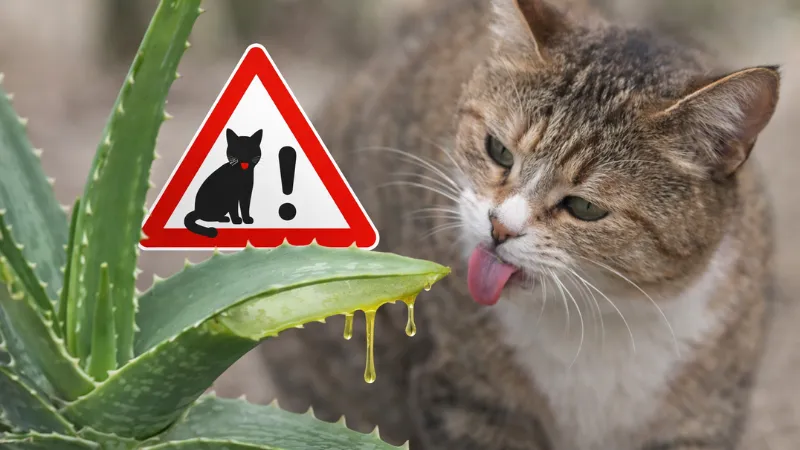
The aloe plant poisonous to cats primarily because of saponins and anthraquinone glycosides، These compounds act as natural laxatives and irritants.
Symptoms of Aloe Vera Poisoning in Cats
Watch for a combination of digestive and neurological signs if your cat has been exposed، Aloe toxicity in cats is usually mild but warrants attention.
| Symptom Category | Common Signs | Severity |
|---|---|---|
| Digestive | Vomiting, diarrhea, drooling | Mild to moderate |
| Behavioral | Lethargy, hiding, loss of appetite | Mild |
| Skin / Mouth | Pawing at mouth, facial swelling (rare) | Mild |
How Much Aloe Vera Is Dangerous for Cats?
Even a small lick can cause a reaction, but serious toxicity usually requires ingestion of a larger piece، Plants toxic to cats like aloe have low lethal potential.
Here is a quick question-and-answer breakdown to clarify dosage concerns.
- – Question: How much aloe vera is safe for a cat?
- – Answer: No amount of aloe vera is considered safe، Even a cat licked aloe plant and ingested only trace residues can show mild symptoms، Always keep aloe plants out of reach to prevent any exposure.
What to Do Immediately After Your Cat Licks Aloe
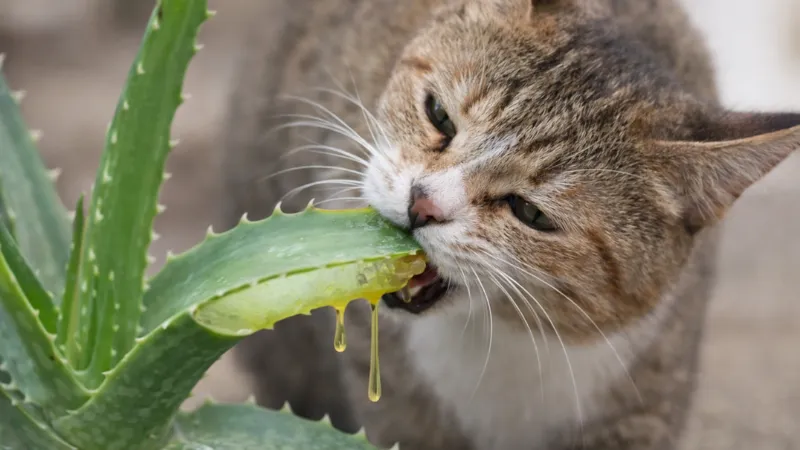
Stay calm and act quickly، Your first response can reduce the severity of any potential reaction.
- Remove plant material: Check your cat’s mouth and wipe away any visible gel or leaf pieces with a damp cloth.
- Rinse the mouth: Use a syringe (no needle) or a dropper to gently flush your cat’s mouth with cool water for 30 seconds، This dilutes the irritating latex.
- Offer fresh water and a small meal: Encourage drinking to help flush toxins، A bland meal of boiled chicken and rice can soothe the stomach if your cat will eat.
- Monitor closely for 6 hours: Watch for vomiting, diarrhea, or drooling، Note the time of exposure and any symptoms so you can report them accurately to a vet.
When to Call a Veterinarian
Not every case needs a vet, but certain signs demand professional help، Use this table to decide your next step.
| Symptom | Action | Why It Matters |
|---|---|---|
| Mild drooling, one episode of vomiting | Monitor at home; call vet if it worsens | Most cases resolve without intervention |
| Multiple episodes of vomiting or diarrhea, lethargy | Call vet immediately | Risk of dehydration and electrolyte imbalance |
| Facial swelling, difficulty breathing, collapse | Visit emergency vet right now | Rare but indicates allergic reaction or severe toxicity |
How Aloe Vera Poisoning Is Treated
Veterinary care focuses on supportive therapies to manage symptoms and prevent dehydration، Treatment is typically straightforward and effective.
The vet may administer anti-nausea medication to stop vomiting and provide subcutaneous fluids to reverse dehydration، If the cat ate a large amount, activated charcoal might be given to bind remaining toxins in the gut، In most cases, a cat eating aloe plant recovers fully within 24 to 48 hours with proper hydration and a bland diet، Blood work is rarely needed unless symptoms are severe or persistent، The key is catching the issue early — which you already have by reading this guide about what happens if a cat eats aloe vera and taking action fast.
Safe Plant Alternatives for Cat Owners

You don’t have to give up greenery entirely، Many beautiful plants are completely safe for curious felines.
- – Question: What are the best plants toxic to cats to avoid besides aloe?
- – Answer: Lilies, sago palms, and tulips are among the most dangerous plants toxic to cats، Stick to cat-safe options like areca palm, calathea, or maranta (prayer plant) for a worry-free indoor jungle.
Frequently Asked Questions About Cats and Aloe Plants
Here are answers to the most common concerns pet owners have regarding aloe toxicity in cats.
- – Question: Is aloe vera toxic to cats if they only lick it once?
- – Answer: Yes, even a single lick can cause mild drooling or stomach upset، While most cases are not life-threatening, it is always safer to prevent access entirely، The cat licked aloe plant scenario is one of the most common calls to pet poison helplines.
- – Question: My cat ate aloe vera and seems fine — should I still worry?
- – Answer: Yes, symptoms can be delayed by several hours، Monitor your cat for at least 12 hours after the cat chewed aloe vera، If no signs appear, it is likely safe, but always contact your vet if you are unsure.
If you have discovered that your cat licked aloe plant, it is absolutely critical to remain calm and immediately assess the situation by checking for any signs of mild poisoning such as vomiting or lethargy، The first step is to carefully remove any remaining plant material from your cat’s mouth or fur and then provide a small amount of fresh water or a bland treat to help dilute the ingested sap.
You must also promptly contact your veterinarian or a pet poison control hotline for professional guidance tailored to your specific cat’s health history، While aloe vera is highly toxic to cats due to saponins and anthraquinones, the prognosis is usually very good with swift action and proper veterinary care، Remember that any delay in seeking treatment can significantly increase the risk of dehydration and gastrointestinal damage, so never wait for symptoms to appear if your cat licked aloe plant.