Morel mushroom poisoning has become an increasingly discussed topic among foragers and food enthusiasts, yet many individuals remain dangerously unaware of the risks involved when consuming these prized fungi, This condition arises not from toxins inherent to true morels, but from improper preparation, misidentification with false morels, or individual sensitivity that can lead to gastrointestinal distress and neurological symptoms.
Understanding how to safely harvest, clean, and thoroughly cook morels is the single most effective way to protect yourself from this entirely preventable illness, ensuring that your foraging adventure ends with a delicious meal rather than a hospital visit, Throughout this article, we will explore the key symptoms to watch for, the critical differences between edible and toxic look-alikes, and the expert-recommended strategies for avoiding morel mushroom poisoning altogether.
What Is Morel Mushroom Poisoning?
Morel mushroom poisoning refers to the toxic reaction that can occur after eating certain morel mushrooms, leading to gastrointestinal and neurological distress.
- Ingestion – You eat morels raw, undercooked, or in large quantities.
- Toxin release – Natural compounds like hydrazine analogs irritate your system.
- Symptom onset – Within hours, you may experience nausea, cramping, or dizziness.
- Recovery or complication – Most cases resolve with supportive care, but severe reactions require medical attention.
Can Morel Mushrooms Be Poisonous?
Yes, morel mushrooms can be poisonous if eaten raw, undercooked, or in large amounts, despite being generally considered edible.
Raw or partially cooked morels contain toxins that can cause gastrointestinal upset, Some people also experience a temporary loss of coordination or confusion, especially if they drink alcohol within 48 hours, This is a classic sign of morel mushroom poisoning in susceptible individuals.
Why Morel Mushrooms May Cause Illness
The illness stems from naturally occurring heat-sensitive toxins that, if not fully neutralized, trigger an inflammatory response in the body.
Primary culprit: Hydrazine-like compounds (e.g., gyromitrin) breakdown products, Even low doses can lead to morel mushroom side effects such as sweating, palpitations, and vomiting, Risk increases with large quantities or alcohol consumption, which inhibits detoxification pathways.
True Morels vs False Morels
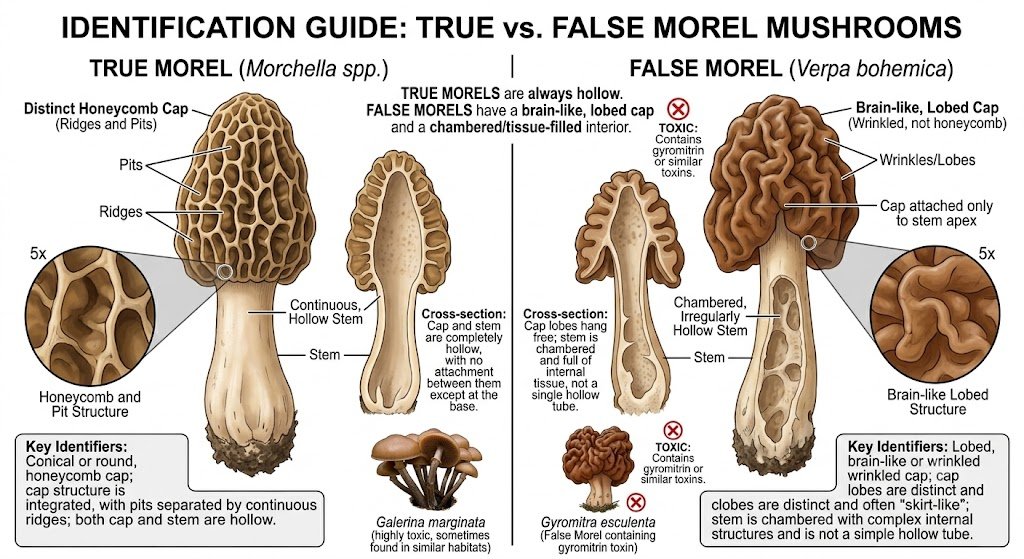
True morels have a honeycomb cap with pits and ridges, while false morels appear brain-like or wrinkled and contain higher levels of deadly toxins.
Symptoms of Morel Mushroom Poisoning
Symptoms range from mild gastrointestinal distress to severe neurological effects, depending on the amount eaten and preparation.
Common signs include nausea, vomiting, abdominal cramps, diarrhea, dizziness, and headache, In serious cases, confusion, muscle weakness, and liver damage can occur, These are all recognized morel mushroom toxicity symptoms that usually require medical evaluation.
- Gastrointestinal: Nausea, vomiting, watery diarrhea (onset 2–6 hours).
- Neurological: Dizziness, confusion, visual disturbances (rare but concerning).
- Alcohol interaction: Flushing, palpitations, increased intoxication—if alcohol is consumed within 48 hours.
How Long After Eating Morels Do Symptoms Appear?
Symptoms typically appear within 2 to 6 hours after eating morels, though delayed cases up to 12 hours are possible.
Question: What is the usual time frame for morel mushroom poisoning symptoms to show?
Answer: Most people feel the first signs—like stomach upset or mild nausea—within 2 to 4 hours, If you experience severe vomiting, confusion, or difficulty walking, seek immediate medical help, Quick action prevents complications and supports morel mushroom poisoning treatment with activated charcoal or IV fluids if needed.
Who Is Most at Risk of Morel Mushroom Poisoning?
Certain groups face a higher chance of morel mushroom toxicity due to sensitivity or quantity consumed.
- First-time foragers – Unfamiliar with safe species, they may accidentally eat false morels, risking false morel poisoning.
- Heavy consumers – Eating large portions (over 2 cups) increases toxin load and can morel mushrooms make you sick more severely.
- Alcohol drinkers – Consuming beer, wine, or spirits within 48 hours blocks detox pathways, amplifying morel mushroom side effects.
- Children and older adults – Reduced body mass and slower metabolism increase morel mushroom poisoning treatment needs.
What to Do If You Suspect Morel Mushroom Poisoning
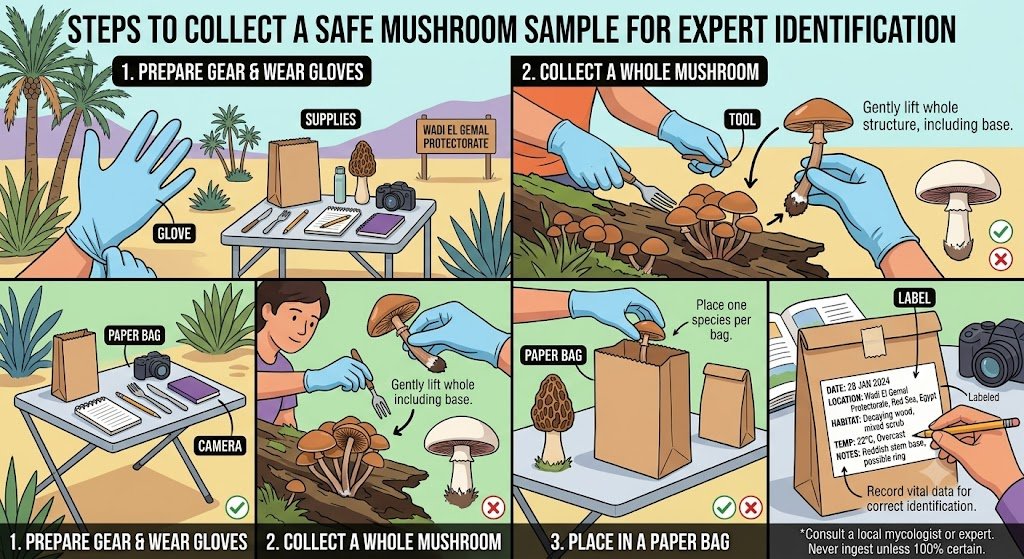
Act fast if you experience morel mushroom illness after eating suspect mushrooms.
Immediately stop eating and call your local poison control center, Do not induce vomiting unless instructed by a medical professional, Collect a sample of the leftover mushrooms for identification if possible, If symptoms include confusion, difficulty breathing, or severe abdominal pain, go to the emergency room, Doctors may administer activated charcoal within the first hour to limit absorption, Quick reporting helps experts track morel mushroom poisoning symptoms and improve safety guidelines.
How Morel Mushroom Poisoning Is Diagnosed and Treated
Diagnosis relies on symptom history and mushroom identification; treatment is supportive and symptom-focused.
Doctors will ask when you ate, how the mushrooms were prepared, and whether you consumed alcohol, They may order blood tests to check liver enzymes if neurological symptoms appear, For morel mushroom toxicity symptoms like vomiting and diarrhea, IV fluids prevent dehydration, In severe cases with confusion or muscle weakness, hospital observation is recommended, There is no specific antidote for morel mushroom poisoning treatment, but most patients recover within 24 to 48 hours with rest and hydration, If false morel poisoning is confirmed, the doctor may administer pyridoxine (vitamin B6) to reduce neurological damage, though this is rare.
Tips for Safely Preparing Morel Mushrooms
Safe preparation eliminates heat-labile toxins and prevents morel mushroom illness in every meal.
| Preparation Step | Action | Why This Matters |
|---|---|---|
| 1, Cleaning | Rinse gently under cold water; soak in salted water for 10 minutes to remove grit and insects. | Salted water also leaches some water-soluble toxins. |
| 2, Cooking | Sauté over medium-high heat for at least 15 minutes until golden brown; internal temp reaches 165°F. | High heat breaks down hydrazine compounds that cause are morel mushrooms poisonous concerns. |
| 3, Portion control | Limit to 1 cup cooked per person per meal. | Reduces cumulative toxin effect and morel mushroom side effects. |
| 4, Alcohol avoidance | Avoid alcohol for 48 hours before and after eating morels. | Prevents flushing, palpitations, and intensified morel mushroom toxicity symptoms. |
Frequently Asked Questions About Morel Mushroom Poisoning
Quick answers to the most common questions about morel mushroom poisoning safety and risks.
Question: What is the most reliable way to distinguish true morels from false morels?
Answer: Cut the mushroom lengthwise, True morels are completely hollow from the cap down to the stem, with no fibrous tissue, False morels have a solid core or cottony white stuffing inside, This key test prevents false morel poisoning entirely.
Question: Can morel mushrooms make you sick if they are well-cooked?
Answer: Yes, if you eat very large amounts (over 2 cups cooked) or if you are particularly sensitive, Some people also experience morel mushroom illness if they combine cooked morels with alcohol or have an underlying liver condition, Stick to moderate portions and avoid alcohol for the best experience.
Question: Are morel mushroom poisoning symptoms always immediate?
Answer: Most symptoms appear within 2–6 hours, but some cases of delayed morel mushroom toxicity symptoms occur up to 12 hours after eating, The longest reported time is 24 hours, usually with mild nausea only, If you feel unwell the next day, still contact a healthcare provider.
Question: What should I tell my doctor if I suspect morel mushroom poisoning treatment is needed?
Answer: State clearly: ‘I ate morel mushrooms within the past 12 hours, and I have (list your symptoms).’ Mention any alcohol consumed in the last 48 hours, Bring a sample or photo of the mushrooms, This helps doctors rule out false morel poisoning and start supportive care quickly.
Understanding the nuances of morel mushroom poisoning is absolutely essential for any forager who ventures into the wild in search of these prized fungi, This condition primarily arises when individuals consume raw or undercooked morels, leading to gastrointestinal distress that typically resolves within a few hours without lasting harm, Every forager should therefore commit to thoroughly cooking all morels before consumption, as heat effectively neutralizes the heat-labile toxins responsible for the poisoning, Recognizing the symptoms of morel mushroom poisoning allows for swift medical intervention when necessary, though severe cases requiring hospitalization remain relatively uncommon in the medical literature, By respecting this knowledge, enthusiasts can safely enjoy the unique flavor and appearance of morels while significantly reducing their risk of experiencing unpleasant and potentially dangerous reactions, The responsibility for safety ultimately rests on the individual, making continuous education about proper identification and preparation a non-negotiable part of the foraging practice, Adhering to these guidelines ensures that the pursuit of culinary adventure does not result in a preventable medical emergency.
Relying solely on field guides or online photographs for morel identification is a dangerous gamble that can lead to accidental ingestion of toxic look-alikes such as the false morel, True morel poisoning events often occur because harvesters confuse the edible morel with species containing gyromitrin, a toxin that can cause severe neurological and hepatic damage, Every mushroom collector must therefore verify the cap attachment, interior hollowness, and overall structure to confirm the specimen is a true Morchella species before even considering preparation, The distinction between these fungi is critical because gyromitrin poisoning presents with delayed symptoms, including seizures and liver failure, which dramatically differs from the quick onset of morel mushroom poisoning, Proper identification is the single most effective prevention strategy, as it eliminates the risk before the mushroom ever enters the kitchen, Foragers should always consult local mycological societies or expert mentors when encountering unfamiliar specimens, as the consequences of a misidentification can be devastating, Investing time in learning this skill pays dividends by protecting both the forager and their dining companions from serious harm.
Integrating these precautions into a systematic foraging routine transforms the activity from a dangerous guessing game into a rewarding and safe practice, The combination of correct identification, thorough cooking, and moderate consumption forms a robust defense against morel mushroom poisoning and its potential complications, Anyone who experiences symptoms after eating morels should contact a poison control center or seek medical attention promptly, providing details about the mushroom type and preparation method, Maintaining a small sample of the cooked mushroom for examination can further assist healthcare providers in delivering appropriate care, Ultimately, the joy of foraging is best preserved when safety protocols are followed without exception, ensuring that every harvest ends with a memorable meal rather than a trip to the emergency room, The knowledge shared in this guide empowers individuals to make informed decisions and embrace the hobby responsibly, fostering a community of careful and educated mushroom hunters, By placing safety at the forefront, the remarkable world of morels can continue to be explored and celebrated for generations to come.