
Elderberry poisoning is a legitimate health concern that often surprises people who assume this popular natural remedy is completely safe for everyone, Understanding the potential toxicity of raw elderberries is essential for preventing accidental harm, especially when handling unripe berries or other parts like leaves and bark, Cooking the berries thoroughly destroys the harmful compounds, but raw consumption can lead to immediate and sometimes severe symptoms,
This comprehensive guide will explain the key symptoms, the underlying toxicology, specific high-risk populations, and both immediate and long-term steps for prevention and treatment.
What Is Elderberry Poisoning?
Elderberry poisoning occurs when toxic compounds in the plant, notably lectins and cyanogenic glycosides, are ingested, often from raw or improperly prepared parts.
Which Parts of the Elderberry Plant Are Toxic?
The toxicity is not uniform; some parts contain higher concentrations of harmful compounds than others.
| Plant Part | Toxin Level | Common Risk |
|---|---|---|
| Raw berries | Moderate | Raw elderberry poisoning, nausea |
| Leaves & stems | High | Elderberry plant toxicity, severe GI distress |
| Roots & bark | Very high | Cyanide release risk |
| Flowers | Low | Low toxicity but still potential |
Why Can Elderberries Be Poisonous?
The plant naturally produces cyanogenic glycosides and lectins, which can break down into cyanide in the human body.
- Step 1: Ingestion of elderberry toxic parts releases glycosides into the digestive system.
- Step 2: Enzymes in the gut convert glycosides into hydrogen cyanide, a potent poison.
- Step 3: Cyanide disrupts cellular oxygen use, leading to elderberry poisoning symptoms like dizziness and vomiting.
- Step 4: Without treatment, severe cases can progress to respiratory failure.
How Elderberry Poisoning Occurs
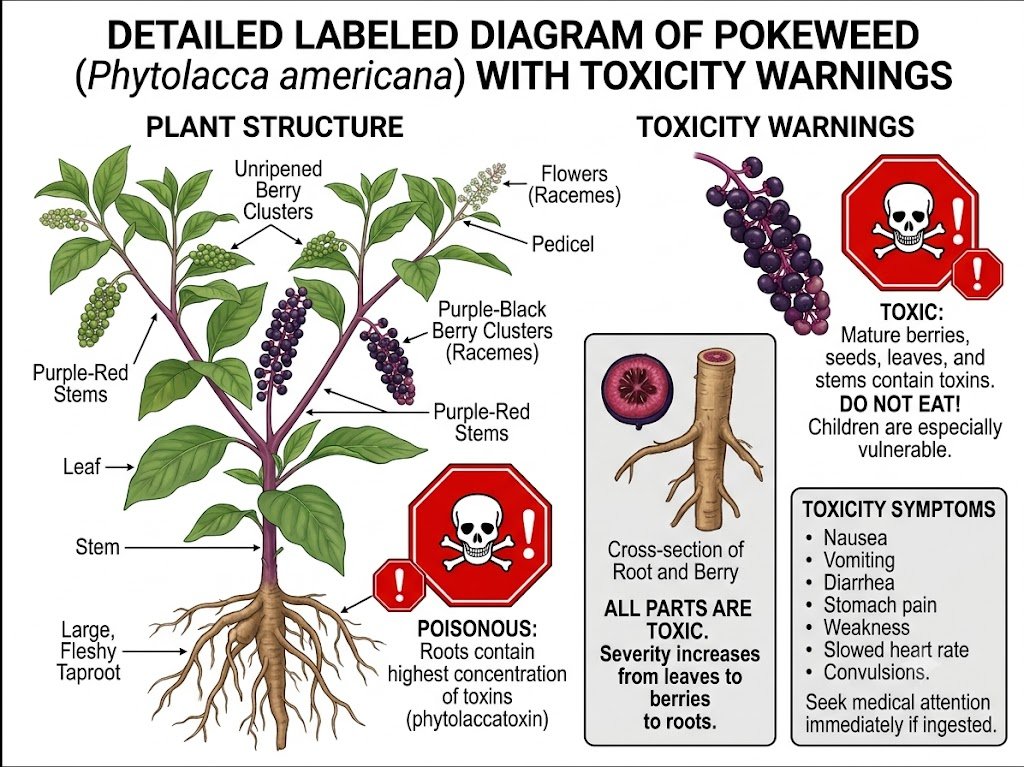
Poisoning typically follows consumption of raw or undercooked elderberry products, especially in children or pets.
Symptoms of Elderberry Poisoning
These elderberry poisoning symptoms range from mild discomfort to life-threatening toxicity and usually appear quickly.
Are Raw Elderberries Safe to Eat?
Raw elderberries are not safe due to the presence of cyanogenic glycosides and lectins, which cause raw elderberry poisoning.
Elderberry Poisoning in Children and Pets
Children and pets face heightened risks due to smaller body sizes and natural curiosity about colorful plants.
- In children: They may mistake raw berries for safe treats, Severe elderberry poisoning in children can cause rapid dehydration, confusion, and breathing trouble.
- In pets (dogs, cats, small animals): Ingestion of even 2–3 raw berries can trigger vomiting, drooling, and cyanide-related distress.
- Precaution step: Keep all elderberry toxic parts out of reach, Use baby-proof containers for syrups or homemade remedies.
- Immediate action: If a child or pet ingests raw parts, call poison control or a veterinarian immediately, Do not wait for elderberry poisoning symptoms to appear.
What to Do If Someone Eats Toxic Parts of Elderberry

Acting quickly can reduce the severity of elderberry poisoning and prevent life-threatening outcomes.
How Elderberry Poisoning Is Diagnosed and Treated
Diagnosis relies on symptom history and exposure details; elderberry poisoning treatment focuses on cyanide management.
Doctors look for elderberry toxicity symptoms like vomiting, dizziness, cherry-red skin, and rapid heart rate, Blood tests may confirm cyanide levels.
How to Safely Prepare and Consume Elderberries
Proper cooking neutralizes cyanogenic glycosides, making elderberries safe and nutritious.
| Preparation Method | Safety Level | Critical Requirement |
|---|---|---|
| Boiling (making syrup or jam) | Safe | Boil for at least 10–15 minutes |
| Baking (pies or tarts) | Safe | Internal temp exceeds 175°F (80°C) |
| Steaming | Safe | Steam for 10 minutes minimum |
| Eating raw or making cold juice | Unsafe | Avoid completely: risk of raw elderberry poisoning |
If you are wondering are elderberries poisonous in their natural state? The answer is yes, but only when raw, Heat destroys the toxins.
Frequently Asked Questions About Elderberry Poisoning
These common questions address elderberry plant toxicity concerns for everyday users.
Answer: No, Commercially available elderberry syrups, jams, and pies are heat-processed, which neutralizes the harmful glycosides, Only raw or undercooked parts pose a risk for elderberry poisoning.
Answer: As few as 5–10 raw berries can cause nausea and dizziness in an adult, In children or small pets, even 2–3 can trigger significant elderberry poisoning.
Answer: No, All suspected cases of elderberry poisoning require professional medical evaluation, Drinking water or milk can soothe the stomach but will not neutralize cyanide, Always seek emergency care for elderberry poisoning in children or vulnerable individuals.
Understanding the mechanisms and severity of elderberry poisoning is essential for anyone considering the use of this popular herbal remedy to avoid serious health complications, The consumption of any part of the raw elderberry plant, including the bark, leaves, roots, and unripe berries, can lead to cyanide toxicity that manifests through the critical symptoms outlined in this guide, Immediate medical intervention is absolutely necessary if someone exhibits signs of severe poisoning such as difficulty breathing, seizures, or loss of consciousness after ingesting raw elderberries, Proper cooking of the berries for at least 15 minutes effectively degrades the toxic lectins and cyanogenic glycosides, making safely prepared elderberry syrups and jams generally harmless for most adults, However, individuals with compromised immune systems, pregnant women, and young children should exercise particular caution and always consult a healthcare provider before using any elderberry product to prevent accidental toxicity.
This comprehensive overview of elderberry poisoning symptoms and risk factors aims to empower readers with the knowledge to distinguish between safe consumption of processed products and dangerous exposure to raw plant material, The evidence presented underscores that elderberry poisoning is entirely preventable through education about proper preparation techniques and recognition of early warning signs like nausea, vomiting, and diarrhea, By adhering to the safety guidelines detailed in this article, consumers can harness the potential health benefits of elderberries while completely avoiding the risk of cyanide poisoning that has been documented in multiple case reports, Ultimately, the responsibility lies with each individual to verify that any elderberry product they consume has been adequately heat-treated and sourced from reputable manufacturers who follow strict quality control protocols.
The growing popularity of elderberry supplements and homemade remedies makes awareness of elderberry poisoning more critical than ever for public health and individual wellness practices, It is imperative that botanical medicine enthusiasts and general consumers alike treat raw elderberry parts with the same caution they would apply to any potentially toxic plant material, Future research into the specific glycoside concentrations across different Sambucus species will continue to refine our understanding of safe dosage thresholds and preparation methods, In the meantime, this article serves as a practical and authoritative reference for anyone seeking to incorporate elderberries into their health routine without compromising their safety or well-being.