Understanding what is the most poisonous plant in the world is not merely a matter of botanical curiosity but a vital safety concern for anyone who spends time in nature or cultivates gardens.
While many assume that exotic rainforest species hold this lethal title, the true answer often lies in a plant so deceptively innocent that it has claimed countless lives throughout history.
This article will definitively answer the core question by examining the castor bean plant, whose ricin toxin makes a single seed potentially fatal, while also exploring other notorious contenders like the gympie-gympie and the manchineel tree to provide a comprehensive safety overview.
We will delve into their mechanisms of poisoning and geographical distributions, ensuring you leave with expert knowledge on how to identify and respect these potent botanical dangers.
How Plant Toxicity Is Measured
Plant toxicity is evaluated using the lethal dose 50 (LD50) test, which measures how much of a substance kills 50% of a test population, This standard helps rank dangerous poisonous plants.
- LD50 Calculation: Determined in milligrams per kilogram of body weight; a lower number means higher toxicity.
- Species Variation: Toxicity can differ between animals and humans, so results are adjusted for human risk.
- Bioactive Compounds: Scientists identify specific toxins, such as alkaloids or glycosides, that cause harm.
- Exposure Route: Toxicity changes based on ingestion, skin contact, or inhalation, which is factored into the final rating.
The Most Poisonous Plant in the World Explained

The castor oil plant (Ricinus communis) holds the grim title of the world’s most poisonous plant due to its potent toxin, ricin, Even a single seed can be lethal if chewed.
Many people wonder what is the most poisonous plant in the world; the answer is clear when examining toxicity data, Ricin disrupts protein synthesis at a cellular level, making it one of the deadliest plant in the world, For context, just 0.2 milligrams of pure ricin can kill an adult human, which is why this species is classified among the most dangerous plant species globally.
What Makes This Plant So Dangerous?
Ricin, a protein toxin found in the seeds, attacks ribosomes and halts protein production, leading to organ failure, This mechanism is uniquely efficient among poisonous plants around the world.
- Toxin Type: Ricin is a type 2 ribosome-inactivating protein (RIP), which is extremely stable and hard to destroy.
- Absorption Speed: Once ingested, ricin enters cells within hours, causing systemic damage before symptoms appear.
- Potency Comparison: Ricin is approximately 6,000 times more toxic than cyanide by weight.
Where the World’s Most Poisonous Plant Grows
The castor oil plant is native to East Africa but has naturalized across tropical and subtropical regions worldwide, It thrives in disturbed soils and along roadsides.
| Region | Common Habitat | Growth Status |
|---|---|---|
| Africa (native) | Dry savannas, riverbanks | Widespread, invasive |
| South Asia | Roadsides, fallow fields | Common, naturalized |
| Americas | Warm coastal areas, gardens | Cultivated, escaped |
Understanding its spread is crucial for avoiding dangerous poisonous plants in your environment, Because this species adapts easily, travelers and gardeners alike may encounter the world’s most poisonous plant without realizing it, Local authorities often list it among deadly plants on invasive species registers.
Symptoms of Poisoning
Ricin poisoning begins subtly but escalates rapidly, often within 4–8 hours of ingestion, Early signs include nausea, vomiting, and abdominal pain.
- Gastrointestinal distress: Severe vomiting, bloody diarrhea, and dehydration occur first.
- Organ failure signs: Dark urine, jaundice, and confusion indicate liver and kidney damage.
- Neurological symptoms: Seizures, hallucinations, and coma may follow as ricin affects the central nervous system.
FAQ / Q&A
- Question: Can ricin poisoning be treated?
- Answer: There is no antidote for ricin; treatment focuses on supportive care like IV fluids, activated charcoal (if ingested within 1 hour), and organ support, Immediate medical attention is critical.
How Much Exposure Is Dangerous?
Just one castor seed can kill an adult if chewed, while smaller amounts cause severe illness, The danger varies by route and dose.
- Ingestion: Chewing 1–3 seeds releases lethal ricin; whole seeds may pass through undigested.
- Inhalation: Ricin aerosol is deadliest—0.1 mg/kg can be fatal within 36 hours.
- Skin Contact: Intact skin blocks ricin, but cuts or eyes allow rapid absorption.
- Children & Pets: Even half a seed can be lethal for small bodies due to lower body weight.
Other Extremely Poisonous Plants Around the World
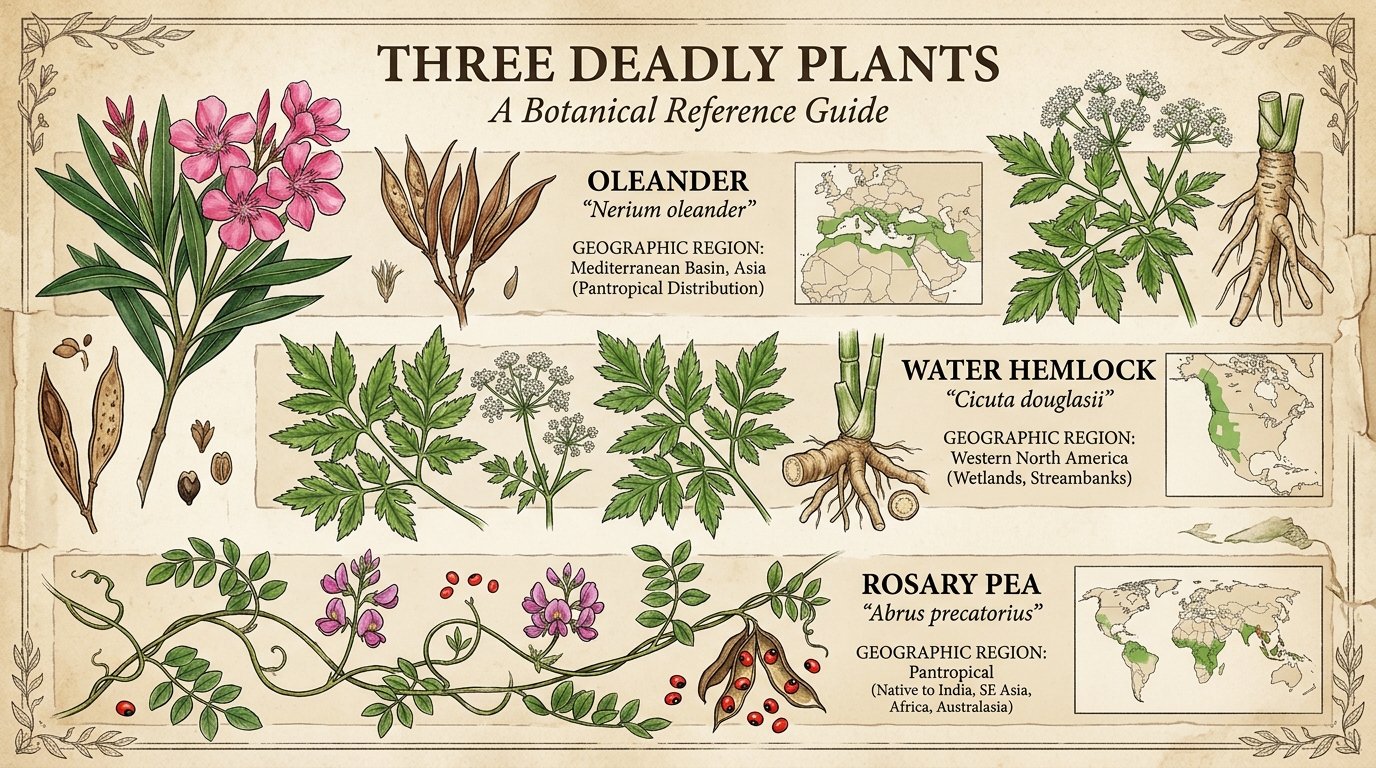
While the castor plant tops the list, other species rival its toxicity in different regions, These poisonous plants around the world demand equal caution.
Among the most dangerous plant species, the oleander (Nerium oleander) contains cardiac glycosides that stop the heart, Water hemlock (Cicuta maculata) holds cicutoxin, a potent neurotoxin, Rosary pea (Abrus precatorius) packs abrin, similar to ricin but even more lethal by weight, These toxic plants that kill humans are common in gardens and wild areas globally.
| Plant Name | Main Toxin | Lethal Dose | Region |
|---|---|---|---|
| Oleander | Cardiac glycosides | 1–2 leaves | Mediterranean, Asia, Americas |
| Water hemlock | Cicutoxin | Small root portion | North America, Europe |
| Rosary pea | Abrin | 1 seed (chewed) | Tropical regions worldwide |
What to Do After Exposure to a Toxic Plant
Immediate action after contact with any most toxic plant on earth can save your life, Follow these steps without delay.
- Remove Contamination: If on skin, wash thoroughly with soap and water for 15 minutes, Remove contaminated clothing.
- Call Emergency Services: Dial your local poison control or 911 immediately, Report the plant name and exposure route.
- Do Not Induce Vomiting: Unless instructed by a professional, vomiting can worsen damage from deadly plants.
- Collect Plant Sample: Safely bag a piece of the plant for identification—handling with gloves only.
How to Stay Safe Around Dangerous Plants
Prevention is the best defense against dangerous poisonous plants, Simple habits can keep you and your family safe outdoors.
- Learn Identification: Study photos of local toxic plants that kill humans before hiking or gardening, Use field guides or apps.
- Wear Protective Gear: Gloves and long sleeves when handling unknown vegetation near roadsides or wild areas.
- Supervise Children & Pets: Teach kids not to put any plant parts in their mouths, Keep pets leashed in areas with known deadly plants.
- Remove from Gardens: If you find the world’s most poisonous plant (castor bean) in your yard, hire a professional for safe removal.
Frequently Asked Questions About the Most Poisonous Plants in the World
Common queries about what is the most poisonous plant in the world and its relatives are answered here for clarity.
- Question: Is the castor oil plant legal to grow in home gardens?
- Answer: Yes, it is legal in most countries as an ornamental, but many regions restrict it due to toxicity, Check local regulations and always keep it away from children and pets.
- Question: Can cooking destroy ricin in castor seeds?
- Answer: No—ricin is heat-stable and not destroyed by boiling or roasting, Commercial castor oil is processed to remove the toxin, but home extraction is extremely dangerous.
- Question: Which plant has the highest LD50 value among the most dangerous plant species?
- Answer: The castor bean’s ricin has an LD50 of about 0.02 mg/kg in mice, making it one of the deadliest, Water hemlock’s cicutoxin has an LD50 of approx 2.5 mg/kg, still highly toxic.
After exploring the wide range of lethal vegetation across the globe, it becomes clear that answering the question of what is the most poisonous plant in the world requires careful consideration of both the potency of the toxins and the likelihood of human exposure, While the castor bean plant produces ricin, a substance so deadly that a single seed can kill an adult, the gympie-gympie tree delivers an excruciating sting that can cause months of recurring pain and neurological distress, The true title of what is the most poisonous plant in the world often belongs to the castor bean due to ricin’s extreme toxicity, yet the gympie-gympie holds a strong claim based on the sheer intensity and duration of suffering it inflicts on its victims.
Beyond these two notorious examples, plants like the oleander, water hemlock, and rosary pea present serious dangers in gardens and wild areas worldwide, demonstrating that the answer to what is the most poisonous plant in the world cannot be reduced to a single species without context, Understanding the specific threats posed by each plant, along with recognizing their physical characteristics and habitats, is essential for preventing accidental poisonings and ensuring safer outdoor experiences, By learning to identify these deadly flora and respecting their potent defenses, we can appreciate nature’s beauty while avoiding its most hazardous creations.
Ultimately, the search for what is the most poisonous plant in the world reminds us that our relationship with the natural world is one of profound respect and caution, as even the most beautiful blooms can harbor lethal secrets beneath their petals, The most effective strategy for staying safe is to educate ourselves about local poisonous plants, never ingest unknown berries or leaves, and always wash hands thoroughly after handling any vegetation that might be toxic, With proper knowledge and vigilance, we can enjoy the wonders of botany without falling victim to its most dangerous members.