The water hemlock root, often mistaken for edible wild plants, represents one of the most poisonous botanical species in North America due to its potent neurotoxin called cicutoxin, Understanding how to distinguish this lethal plant from harmless lookalikes is absolutely essential for foragers, hikers, and anyone working in outdoor environments to prevent accidental poisoning,
This guide, grounded in expert botanical knowledge and verified toxicological research, will walk you through the key identification features, common habitats, dangerous lookalikes, and critical first aid measures should exposure occur.
What Is Water Hemlock Root?
Water hemlock root is the most toxic part of a wetland plant known for causing fatal poisoning in humans and livestock.
This thick, fleshy root belongs to Cicuta species, which contain cicutoxin—a potent neurotoxin that disrupts the central nervous system, Often mistaken for edible wild plants like wild parsnip, water hemlock root poses a serious danger to foragers and livestock, The plant thrives in marshes, stream banks, and ditches across North America and Europe, making accidental exposure common during outdoor activities.
Why Is Water Hemlock Root So Toxic?
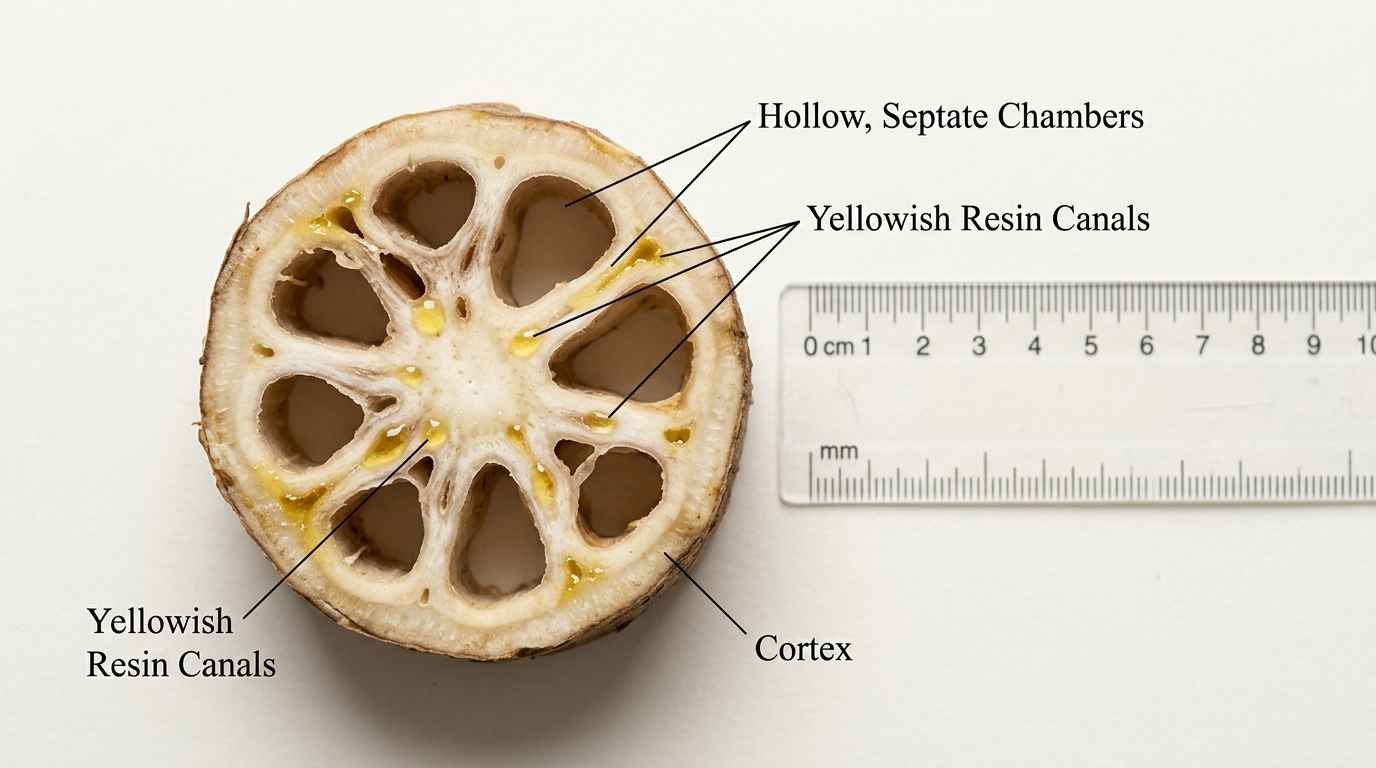
The toxicity of water hemlock root comes from cicutoxin, a powerful neurotoxin that triggers seizures and respiratory failure.
Cicutoxin attacks the GABA receptors in the brain, blocking inhibitory signals and causing uncontrolled neuronal firing, This leads to violent convulsions within 15–60 minutes of ingestion, The root’s structure—chambered and filled with a yellowish, oily sap—houses the highest concentration of cicutoxin, making the most poisonous part of water hemlock its rhizome and root tubers, A single mouthful can kill an adult, and water hemlock toxicity is considered three times more lethal than hemlock (Conium maculatum).
How to Identify Water Hemlock Roots
Correct water hemlock identification relies on checking root structure, stem features, and leaf arrangement in the field.
- Check the root chambers: Cut the root lengthwise, Water hemlock roots are hollow with distinct cross-partitions (chambered), resembling a segmented interior, Safe look-alikes like wild parsnip have solid, non-chambered roots.
- Look for yellow sap: Freshly cut water hemlock root exudes a yellowish, oily liquid that smells slightly like parsley or carrots, This sap contains cicutoxin.
- Examine the stem base: The lower stem is swollen and often purple-spotted, Leaf veins terminate at the leaf edge, not in the notches (a key trait for water hemlock vs wild parsnip).
- Note the habitat: Water hemlock grows in wet, saturated soil—swamps, stream banks, and roadside ditches, Wild parsnip prefers drier, disturbed ground.
Which Part of Water Hemlock Is Most Poisonous?
The most poisonous part of water hemlock is the root, specifically the rhizome and tuberous base.
| Plant Part | Toxin Concentration | Risk Level |
|---|---|---|
| Root (rhizome & tubers) | Highest (up to 0.2% cicutoxin by weight) | Extreme — fatal in small amounts |
| Stems & leaves | Moderate | High — can cause severe poisoning |
| Flowers & seeds | Lower, but still toxic | Moderate — risk of mild symptoms |
All parts of the plant are poisonous, but the root contains the highest concentration of cicutoxin and is most dangerous during early spring when sap rises, This is why water hemlock root poisoning often occurs when people mistake it for edible roots like wild carrots or parsnips.
What Happens If Someone Eats Water Hemlock Root?
Ingesting even a small amount of water hemlock root triggers rapid, severe neurological symptoms within 15–60 minutes.
– Question: How long does it take for water hemlock poisoning to show symptoms?
Answer: Symptoms begin within 15–60 minutes of ingestion, First signs include nausea, salivation, and abdominal pain, quickly progressing to violent seizures, respiratory arrest, and possibly death within hours if untreated.
The neurotoxin cicutoxin overstimulates the brain, causing clonic-tonic seizures that can damage organs due to oxygen deprivation, Survivors often suffer long-term memory loss or neurological deficits, Immediate hospital treatment with anticonvulsants and respiratory support is critical for survival.
Symptoms of Water Hemlock Poisoning
Water hemlock poisoning symptoms escalate quickly, starting with gastrointestinal distress and leading to life-threatening seizures.
- Early symptoms (within 15 min–1 hour): Nausea, excessive salivation, abdominal cramps, and vomiting, A burning sensation in the mouth and throat is common.
- Neurological stage (within 1–3 hours): Tremors, dizziness, confusion, and rapid heart rate, This phase often includes muscle twitching and a feeling of impending doom.
- Seizure phase: Violent, repeated clonic-tonic seizures (convulsions) lasting several minutes, Breathing may stop during seizures, leading to cyanosis (blue skin).
- Critical stage: Coma, respiratory failure, and cardiac arrest, Without treatment, death can occur within 2–12 hours.
If you suspect someone has ingested water hemlock root, call emergency services immediately, Do not induce vomiting unless directed by a poison center, The plant’s toxicity is so extreme that even is water hemlock root poisonous has become a common search phrase from hikers and foragers concerned about accidental ingestion.
How Quickly Do Symptoms Appear?
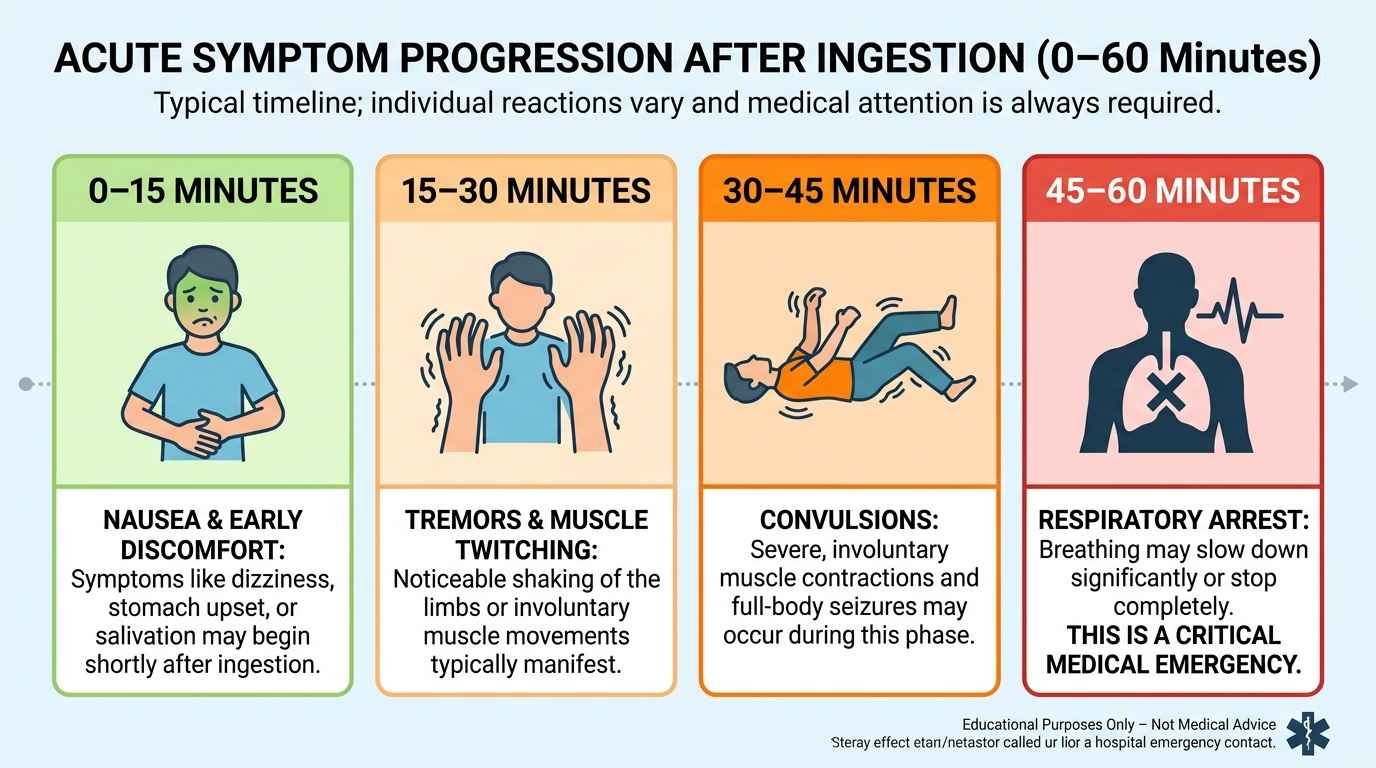
Water hemlock root poisoning progresses rapidly, with first signs emerging within 15 minutes of ingestion.
The speed of onset depends on the amount consumed and individual metabolism, but cicutoxin is absorbed through the gastrointestinal tract almost immediately, Unlike some plant toxins that take hours to act, water hemlock toxicity triggers violent seizures within 30–60 minutes in most cases, The chambered root structure releases toxin quickly when chewed, causing near-instant neurological effects, Water hemlock identification and swift action are critical because once seizures begin, the window for effective treatment narrows dramatically.
What to Do After Suspected Water Hemlock Exposure
Immediate action after suspected exposure can mean the difference between life and death.
- Call emergency services immediately, Inform them you suspect water hemlock poisoning, Do not wait for symptoms to appear.
- Remove any remaining plant material from the mouth, Rinse mouth with water, but do not swallow, Save a sample of the plant for identification.
- Keep the person calm and seated, Do not induce vomiting or give anything by mouth unless instructed by poison control.
- Monitor breathing closely, If seizures begin, protect the person from injury by clearing nearby objects, Do not restrain them, Place them on their side to prevent choking.
- Be ready to perform CPR if breathing stops, Emergency medical dispatchers can guide you through this.
Even if you are unsure whether the plant is truly water hemlock, treat any exposure as a medical emergency, The most poisonous part of water hemlock can kill with a bite-sized piece, and symptoms escalate too quickly for home remedies, Bring the saved plant sample to the hospital for confirmation.
How Water Hemlock Poisoning Is Treated
Hospital treatment focuses on stopping seizures and supporting vital functions until cicutoxin is metabolized.
| Treatment Stage | Intervention | Goal |
|---|---|---|
| Seizure control | Intravenous benzodiazepines (diazepam, lorazepam) | Stop convulsions and reduce brain damage |
| Airway management | Endotracheal intubation and mechanical ventilation | Prevent respiratory failure and maintain oxygen levels |
| Decontamination | Activated charcoal (only if patient is awake and within 1 hour) | Reduce further absorption of cicutoxin |
| Supportive care | IV fluids, anticonvulsants (phenobarbital), monitoring | Stabilize heart rate, blood pressure, and organ function |
There is no specific antidote for cicuta toxicity, Treatment is purely supportive, which is why early medical intervention is so vital, Survivors often require days of intensive care and may face long-term neurological rehabilitation, The key to surviving water hemlock poisonous root exposure is getting to an emergency room before seizures become uncontrollable.
How to Avoid Mistaking Water Hemlock for Edible Plants
Mistaking water hemlock for edible wild plants like wild parsnip or carrots is a common, deadly error.
- Learn the “water hemlock vs wild parsnip” rule: Water hemlock has chambered roots with yellow sap; wild parsnip has solid, fleshy roots with white sap, If the root is hollow inside, throw it away immediately.
- Master leaf vein patterns: Water hemlock leaves have veins that end at the edge (not in notches), Wild parsnip and cow parsnip veins end in leaf notches, This is a safe field test even without cutting the root.
- Never harvest roots from wet areas: Water hemlock exclusively grows in saturated soil—marshes, ditches, stream banks, If you are near water, assume any carrot-like root is water hemlock until proven otherwise.
- Smell test (with caution): Water hemlock root smells like raw parsley or carrots, Wild parsnip smells sweeter, Never rely on smell alone, but use it as a secondary clue.
Frequently Asked Questions About Water Hemlock Root
Quick answers to common questions about water hemlock root and its dangers.
The deadly potency of the water hemlock root cannot be overstated, as even a single bite of this highly toxic plant can lead to severe seizures and rapid death in both humans and animals, Understanding how to accurately identify water hemlock root through its distinctive purple-spotted stem, finely divided leaves, and tuberous root chamber is the first critical step in preventing accidental poisoning during outdoor foraging or gardening activities, It is absolutely essential that individuals never handle or ingest any part of this plant without expert botanical confirmation, as the cicutoxin toxin acts swiftly and without effective antidote, Anyone who suspects they have come into contact with water hemlock root must seek immediate emergency medical attention, as prompt treatment is the only chance for survival after exposure.