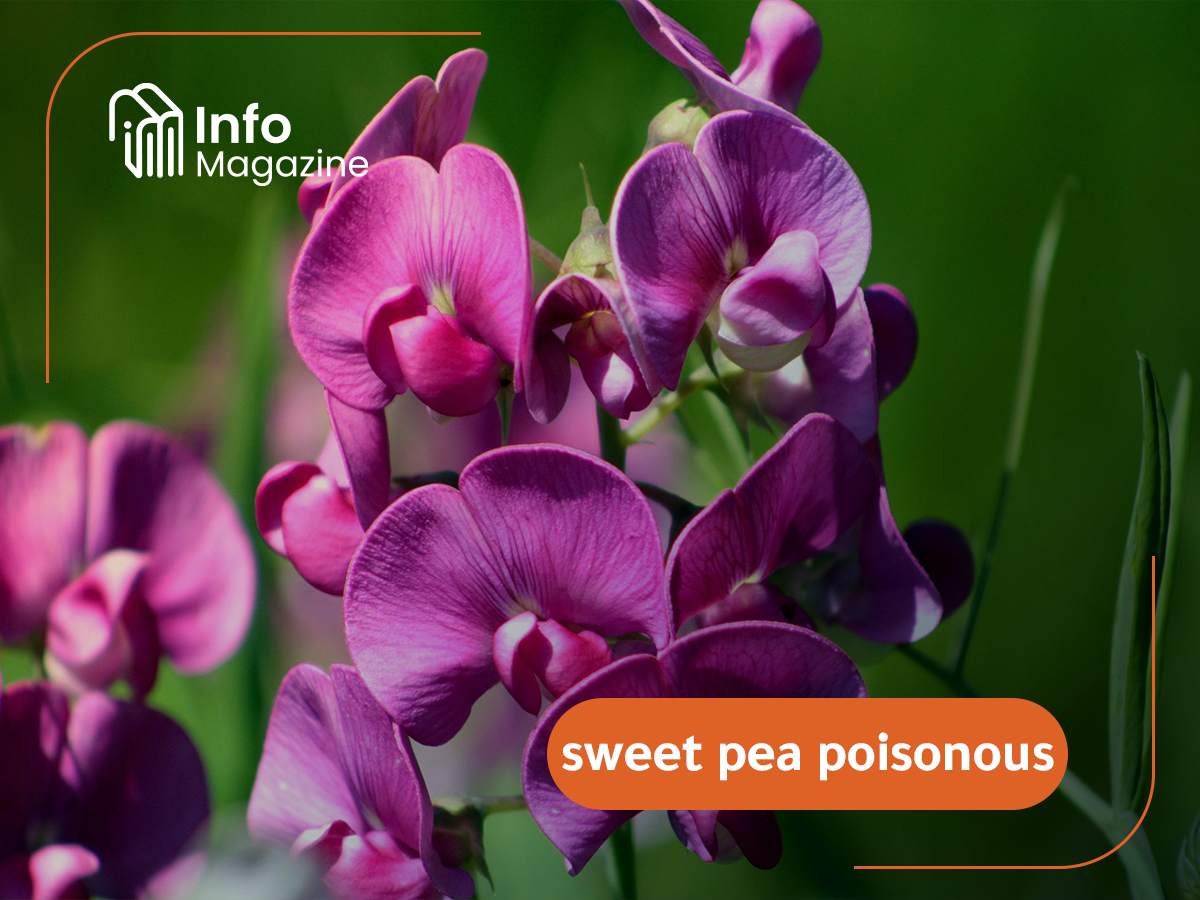
The sweet pea poisonous nature of these charming climbing vines often surprises gardeners who assume all blossoms are safe, While the seeds and flowers contain toxic amino acids that can cause serious neurological disorders in both humans and animals, the immediate effects of ingestion are rarely fatal.
Understanding which parts of the plant pose the greatest risk is crucial for preventing accidental poisoning in homes with children or pets,
This article will detail the specific toxins involved, the symptoms of exposure, critical safety precautions for cultivation, and what to do in a poisoning emergency.
Is Sweet Pea Poisonous?
Yes, sweet pea plants contain toxic compounds that can cause harm if ingested in sufficient quantities by humans or animals.
- Identify the plant – Lathyrus odoratus, commonly known as sweet pea, is a flowering vine often grown for its fragrant blooms.
- Understand the risk – The seeds and stems contain aminopropionitrile, a neurotoxin linked to lathyrism.
- Check for symptoms – Ingestion may lead to weakness, lethargy, or muscle tremors in pets and people.
While sweet pea toxicity is rarely fatal, it is serious, Always supervise children and pets around these vines, especially during seed pod formation.
What Makes Sweet Pea Toxic?
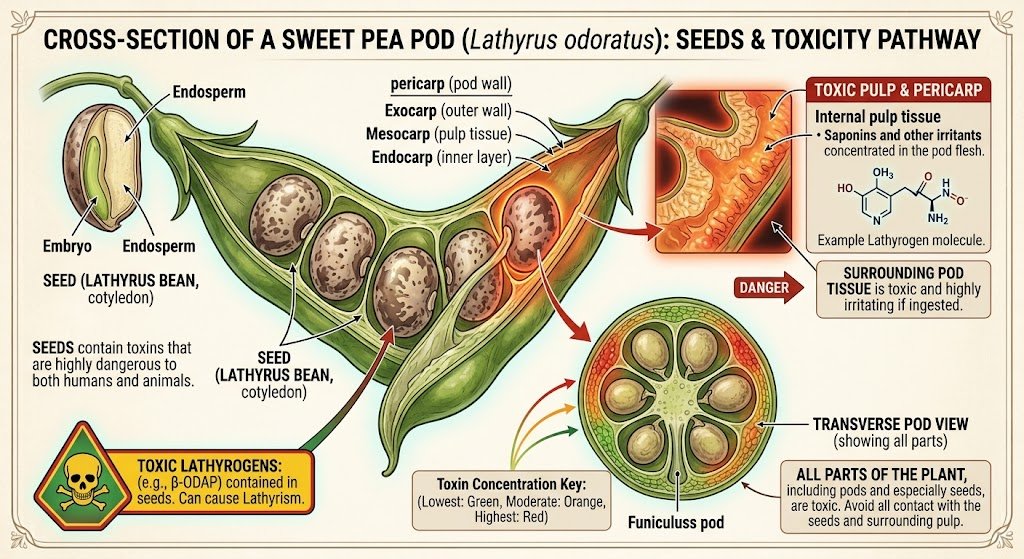
The toxic principle in sweet pea is a group of compounds called aminopropionitriles, which interfere with collagen synthesis and nerve function.
These compounds are most concentrated in the seeds, but also appear in stems and leaves, The primary toxin, beta-aminopropionitrile (BAPN), inhibits lysyl oxidase, an enzyme essential for connective tissue stability, This disruption can lead to neurological and skeletal issues in cases of lathyrus odoratus toxicity, The plant produces these chemicals as a natural defense mechanism against herbivores.
Which Parts of Sweet Pea Are Poisonous?
All parts of the sweet pea plant are toxic, but toxicity levels vary significantly by plant part — seeds are by far the most dangerous.
| Plant Part | Toxicity Level | Primary Risk |
|---|---|---|
| Seeds (mature or dried) | High | Neurotoxicity, lathyrism |
| Stems and leaves | Moderate | Digestive upset, mild weakness |
| Flowers | Low | Minimal (rarely causes issues) |
| Roots | Low | Unlikely to be ingested |
Sweet pea seed poisoning is the primary concern for gardeners and pet owners, Even a small handful of seeds can pose a serious health risk to small children, dogs, and cats.
Symptoms of Sweet Pea Poisoning
Symptoms appear within hours to days after ingestion and range from mild gastrointestinal distress to severe neurological impairment.
- Mild Symptoms: Nausea, vomiting, diarrhea, drooling, and lethargy — often mistaken for a stomach bug in humans.
- Moderate Symptoms: Muscle weakness, tremors, difficulty walking, and unsteady gait — hallmark signs in pets like dogs and cats.
- Severe Symptoms: Seizures, paralysis, labored breathing, and irreversible nerve damage — cases of advanced sweet pea poisoning requiring emergency veterinary care.
Is Sweet Pea Toxic to Humans?
Yes, sweet pea is toxic to humans, though severe poisoning is rare because adults generally avoid eating the bitter seeds.
Question: Can sweet pea cause long-term health problems in people?
Answer: Yes, chronic consumption of large quantities of sweet pea seeds can lead to lathyrism, a condition characterized by irreversible paralysis of the lower limbs, However, single accidental ingestions typically cause only mild gastrointestinal upset or temporary weakness, Children are at higher risk because they may eat seeds out of curiosity, Always supervise kids in gardens where sweet peas grow and teach them not to put any plant parts in their mouths.
If a child or adult ingests sweet pea seeds, do not induce vomiting unless directed by a poison control center, Provide water and seek immediate medical evaluation.
Is Sweet Pea Poisonous to Dogs and Cats?
Yes, sweet pea poisonous to dogs and cats is a serious concern for pet owners who grow these vines.
- Immediate risk – Dogs and cats are attracted to the texture of seed pods and may chew them, ingesting the sweet pea toxic to dogs and cats compounds quickly.
- Watch for early signs – Within 1 to 4 hours, sweet pea poisoning in pets often shows as drooling, vomiting, or sudden lethargy.
- Progression to severe – Without intervention, sweet pea toxicity can lead to muscle tremors, hind limb weakness, and collapse within 12 hours.
- Emergency action – Call your veterinarian or an animal poison control hotline immediately, and bring a sample of the plant or seeds if possible.
What Happens If You Eat Sweet Pea Seeds?
Sweet pea seed poisoning can cause mild to severe neurological and digestive effects depending on the amount ingested.
When someone eats sweet pea seeds, the aminopropionitriles disrupt nerve signaling and collagen regulation, The body absorbs these toxins rapidly, leading to sweet pea poisoning symptoms like nausea, abdominal cramps, and dizziness within 30 minutes, If a large quantity is consumed—more than 10 to 15 seeds in small children—the risk of muscle weakness, unsteady gait, and temporary paralysis increases, Chronic consumption over weeks can lead to lathyrism, a permanent neurological condition affecting the spine and lower limbs, Always treat sweet pea seed poisoning as a medical emergency, even if symptoms seem mild initially.
How to Grow Sweet Peas Safely

You can enjoy fragrant sweet peas without risking lathyrus odoratus toxicity by following simple safety measures in your garden.
| Safety Practice | Why It Works | Difficulty Level |
|---|---|---|
| Install physical barriers like low fencing around sweet pea beds | Prevents pets and toddlers from reaching seed pods | Easy |
| Harvest and remove seed pods before they dry and split open | Eliminates the most toxic part of the plant from the environment | Moderate |
| Educate family members and visitors about sweet pea toxicity | Reduces accidental ingestion through awareness | Easy |
| Plant sweet peas in raised beds or containers out of reach of dogs and cats | Physical separation adds an extra layer of protection | Moderate |
Gardeners can still enjoy the beauty and fragrance of sweet peas by choosing non-toxic alternatives for ground-level planting, Consider training sweet peas up trellises where seed pods are out of easy reach, Always supervise children when they are near flowering vines and teach them not to eat anything from the garden without permission.
Frequently Asked Questions About Sweet Pea Toxicity
Here are answers to the most common questions about sweet pea poisoning and safety for homes with kids and pets.
Question: Are sweet pea flowers safe to touch or handle?
Answer: Yes, sweet pea flowers have low toxicity and are safe to touch, handle, and arrange in bouquets, The primary risk is from ingestion of seeds or stems, However, people with sensitive skin may develop mild contact dermatitis from handling the plant, so washing hands after gardening with sweet peas is recommended.
Question: Can cooking or boiling sweet pea seeds make them safe to eat?
Answer: No, cooking does not neutralize the aminopropionitrile toxins in sweet pea seeds, These compounds are heat-stable and remain toxic even after boiling, roasting, or drying, Do not experiment with preparing sweet pea seeds for consumption under any circumstances.
Question: How long does it take for sweet pea poisoning symptoms to appear in pets?
Answer: In dogs and cats, sweet pea poisoning symptoms typically begin within 1 to 4 hours of ingestion, Early signs include drooling, vomiting, and lethargy, More serious sweet pea toxicity symptoms like muscle tremors and unsteady gait may develop within 6 to 12 hours, If you suspect sweet pea toxic to dogs or cats, do not wait for symptoms—seek veterinary help immediately.
Question: Is it safe to compost sweet pea plants or use them as mulch?
Answer: It is best to avoid composting sweet pea plant material if you have pets or wildlife that may scavenge the compost pile, The toxins in seeds can persist for months, Instead, dispose of all seed pods and trimmings in sealed trash bags, For green waste, you can safely compost stems and leaves if you ensure no seeds are present and the pile is inaccessible to animals.
💡 Actionable Tip: Keep a small emergency card with your veterinarian’s phone number and the ASPCA Animal Poison Control Center number (888-426-4435) near your garden tools, In a sweet pea poisoning situation, every minute counts.
Understanding that the sweet pea poisonous nature of Lathyrus odoratus primarily resides in its seeds rather than its petals is absolutely crucial for any gardener who wishes to enjoy these fragrant blooms without risking accidental ingestion, While the immediate toxicity level is generally considered low compared to other garden plants, the potential for mild but unpleasant neurological symptoms in both children and pets demands a proactive approach to identification and safety, Every responsible homeowner should learn to distinguish the delicate pea-like seed pods from edible varieties and ensure that all spent flowers are promptly removed before seeds can develop and fall to the ground.
By consistently applying the identification and prevention strategies outlined in this guide, you can confidently cultivate Lathyrus odoratus while maintaining a secure environment for your entire household and your beloved pets, Your family’s well-being ultimately depends on staying informed about every plant you introduce into your landscape, and this understanding transforms the sweet pea poisonous myth into a manageable reality that enhances rather than hinders your gardening experience, Remember that knowledge and vigilance are your most powerful tools in preventing any accidental poisonings from the deceptive allure of these beautiful but potentially harmful flowers.