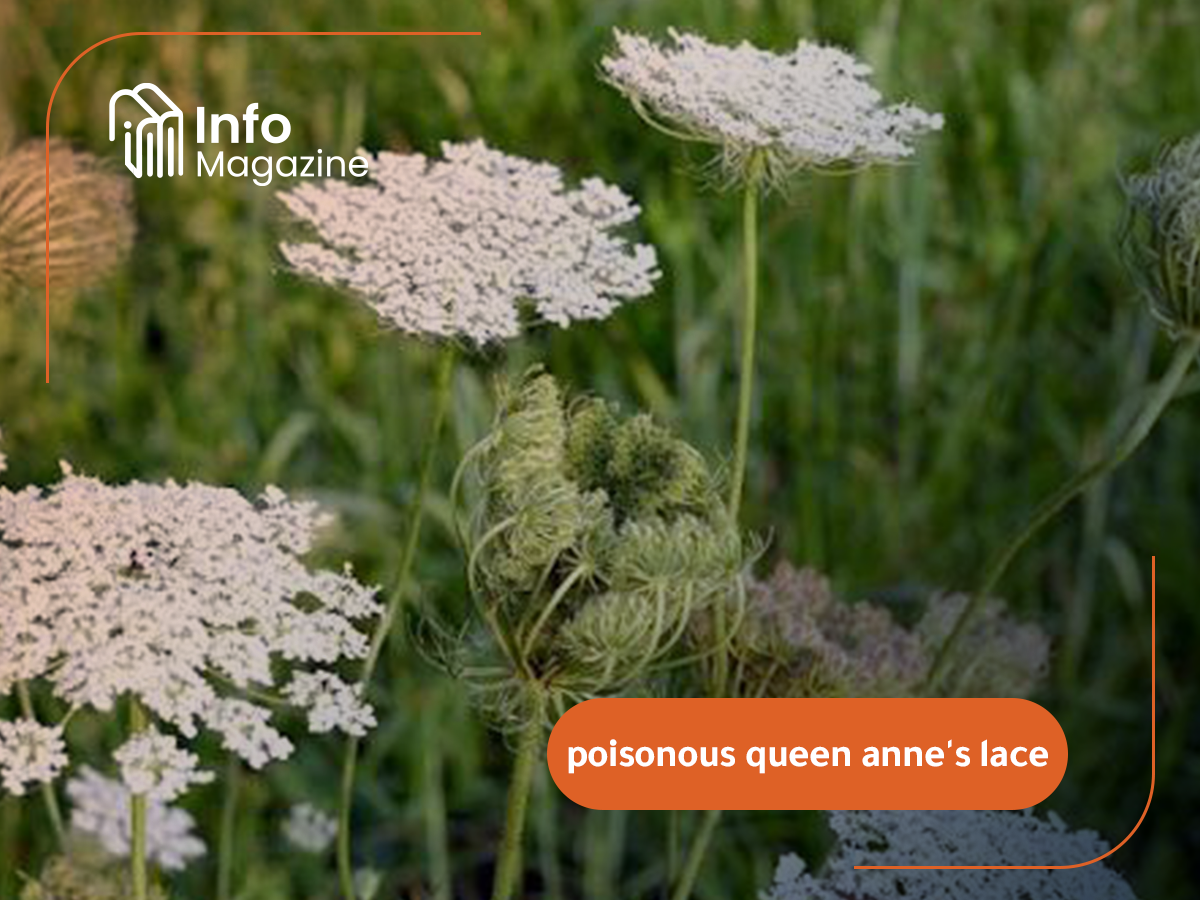
Understanding the exact characteristics of poisonous queen anne’s lace is absolutely vital for any forager or gardener who wants to safely harvest wild plants without risking severe health complications.
This article will clearly explain how to differentiate this dangerous lookalike from its edible relatives, highlight the most reliable botanical features for identification, and outline the specific symptoms of accidental poisoning that demand immediate medical attention.
By the end of this guide, you will have the expert knowledge needed to confidently identify and avoid poisonous queen anne’s lace while exploring nature safely.
Is Queen Anne’s Lace Poisonous?
Understanding the true risk of this wild plant helps you forage safely without unnecessary fear.
The good news: pure Daucus carota is not inherently poisonous to humans, However, its extreme similarity to deadly plants like poison hemlock makes is queen anne’s lace poisonous a valid concern, The danger lies in misidentification, not the plant itself.
Symptoms of Exposure to Toxic Look-Alike Plants
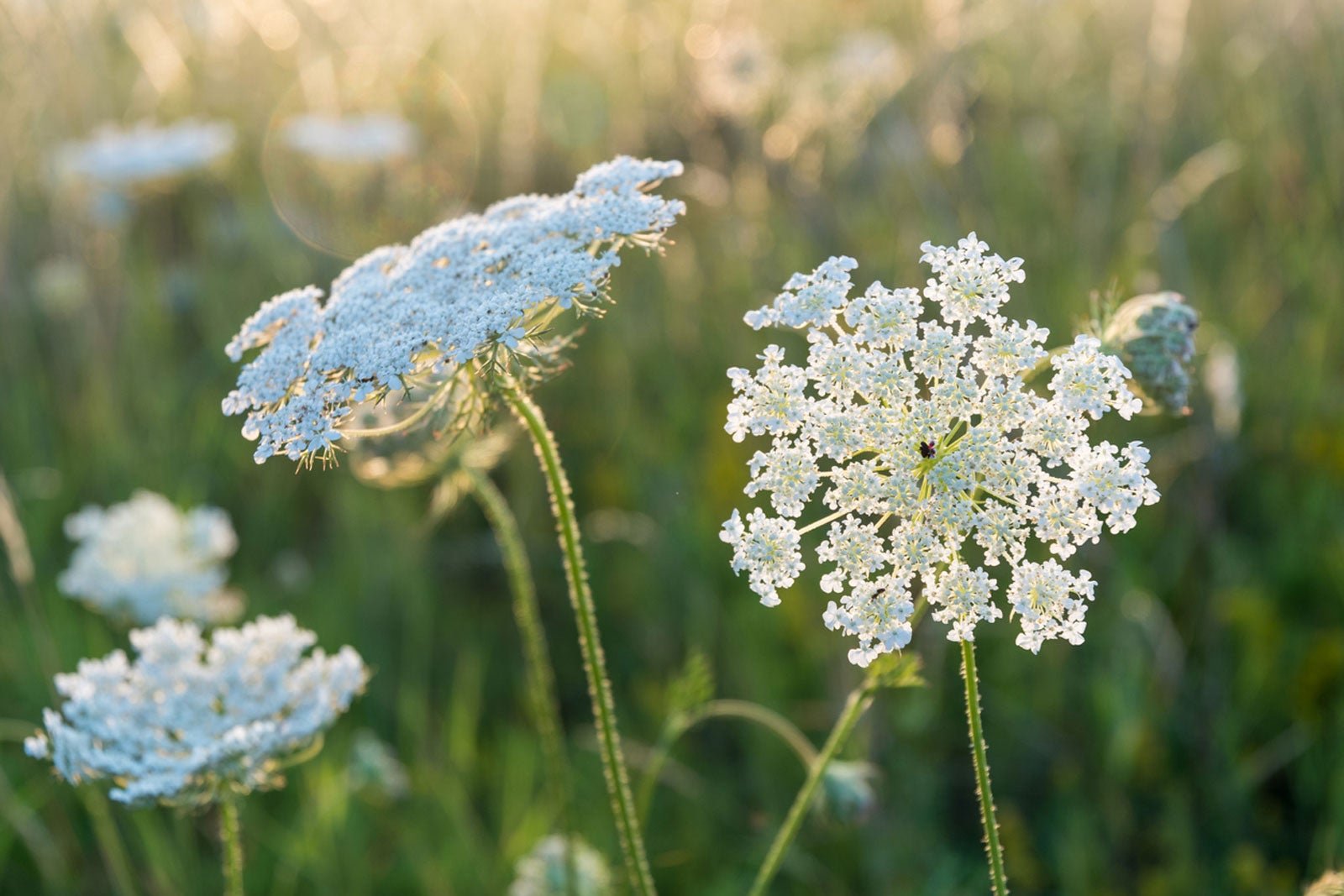
Knowing the signs of poisoning helps you act fast if you touch or ingest a dangerous lookalike.
Symptoms vary greatly depending on the plant, Contact dermatitis from queen anne’s lace typically appears within a few hours as a localized rash, In contrast, ingestion of toxic plants similar to queen anne’s lace like poison hemlock can cause abdominal pain, vomiting, and seizures, Because early signs can be subtle, immediate medical attention is critical if you suspect a deadly lookalike.
- Touch symptoms: Redness, burning, blisters (often from sap), Fatal only if large areas are involved or if the sap enters a wound.
- Ingestion symptoms within 15 minutes: Salivation, burning mouth, nausea, vomiting, Progress quickly (30–60 min) to muscle weakness, drooling, and respiratory distress.
- Late-stage warning signs: Seizures, confusion, coma, Call 911 immediately if these appear.
How to Identify Queen Anne’s Lace Safely
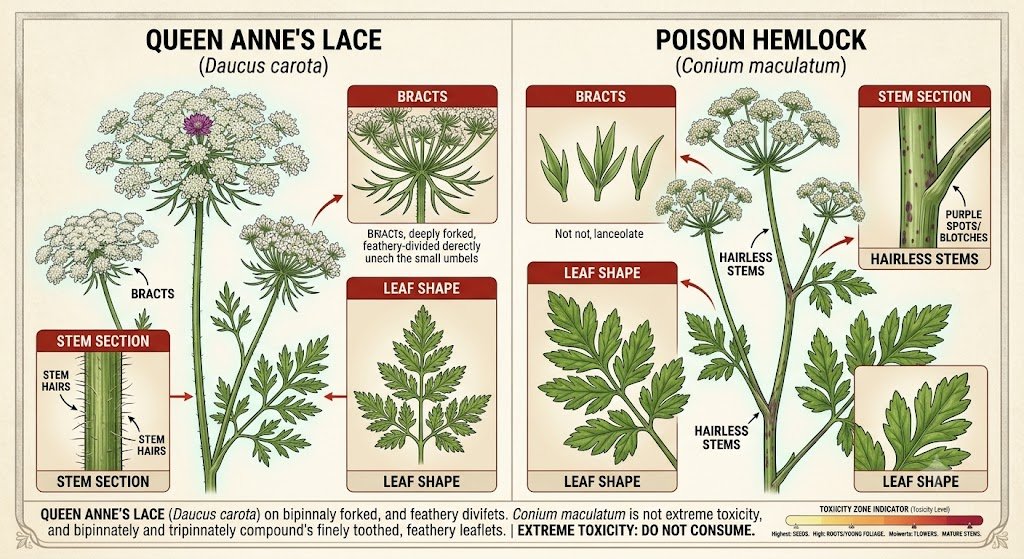
A step-by-step field guide to distinguishing the harmless wild carrot from its deadly doppelgängers.
| Feature | Queen Anne’s Lace | Poison Hemlock |
|---|---|---|
| Stem | Hairy, green, solid | Smooth, hairless, purple spots |
| Bracts | 3-part, deeply cut (like bird’s foot) | Simple, 1–2 parts, less divided |
| Central floret | Often a single dark purple dot | Rarely present; all white |
| Smell of crushed root | Carrot-like | Musty, mouse-like, unpleasant |
This queen anne’s lace vs poison hemlock comparison is crucial, Always check the stem hairs first—if the stem is smooth or blotchy, avoid it entirely, For deeper verification, examine the bracts: the tiny, feathery leaves under the flower cluster, A reliable wild carrot vs poison hemlock check is to pull a root and smell it, If it smells like carrots, you likely have safe daucus carota.
What to Do After Contact With a Suspected Toxic Plant
Immediate steps to minimize harm if you think you’ve touched or eaten a dangerous lookalike.
After skin contact, remove all clothing and jewelry that may have sap on them, Rinse the skin thoroughly, If you experience difficulty breathing, swelling of the lips or throat, or a widespread rash, call 911, For ingestion, bring a sample of the plant to the hospital—this greatly aids identification and treatment, Remember, queen anne’s lace poisonous look alike species like poison hemlock require aggressive medical intervention, but with quick action, outcomes are generally good.
Frequently Asked Questions About Queen Anne’s Lace Safety
Quick, clear answers to the most common concerns about this plant’s toxicity and handling.
Yes, if ingested in large amounts, The sap can cause mild gastrointestinal upset and skin irritation, However, it is far less toxic than poison hemlock, Keep pets away from any wild white-flowered umbel unless you are 100% sure of the identification.
It is not recommended, Even though the root is technically edible, the plant is easily confused with deadly lookalikes, The young leaves and stems contain small amounts of cyanide-like compounds and are best avoided raw, Always cook any wild carrot thoroughly to reduce risks, Queen anne’s lace safety starts with perfect identification.
In some people, yes, Contact with the sap can cause photodermatitis—a rash that blisters when exposed to sunlight, This is a form of queen anne’s lace skin irritation that can last several days, Wash the area immediately and avoid sun exposure for 48 hours.
Crush a leaf or root, Queen Anne’s Lace smells like a carrot, Poison hemlock has a strong, musty, unpleasant odor often compared to mouse urine, This is a reliable wild carrot vs poison hemlock field test, but always combine it with visual stem and bract checks.
Understanding the critical differences between wild carrot and its toxic relatives is essential for foragers and gardeners alike, particularly because confusing poisonous queen anne’s lace with edible plants can lead to serious health consequences requiring immediate medical attention,
The distinctive features of hairy stems, a single purple flower in the center, and the unmistakable carrot-like smell under the leaves are your safest guides when trying to identify true wild carrot in the field, Always practice extreme caution if you are uncertain about a plant’s identity because the high toxicity of water hemlock and fool’s parsley makes any mistake potentially fatal even in very small quantities,
Learning to recognize the key identification tip of smooth, purple-spotted stems found on poisonous queen anne’s lace lookalikes will help you avoid harvesting a plant that could cause seizures, respiratory failure, or death if ingested, Remember that repeated exposure to accurate botanical guides can significantly reduce your risk of a dangerous misidentification during your foraging adventures this season.