Understanding poisonous things in your immediate environment is not just an academic exercise, but a critical step toward ensuring your family’s safety and preventing accidental harm, Many common household products, from cleaning agents to certain houseplants, contain toxic substances that can cause severe injury or death if ingested or mishandled by unsuspecting individuals.
This article will provide a comprehensive overview of the most dangerous items lurking in plain sight, offering expert-backed identification tips and immediate response strategies for various poisoning scenarios.
What Are Poisonous Things?
You may be surprised to learn that many everyday objects can harm you, Understanding what qualifies as a poisonous substance is the first step to staying safe.
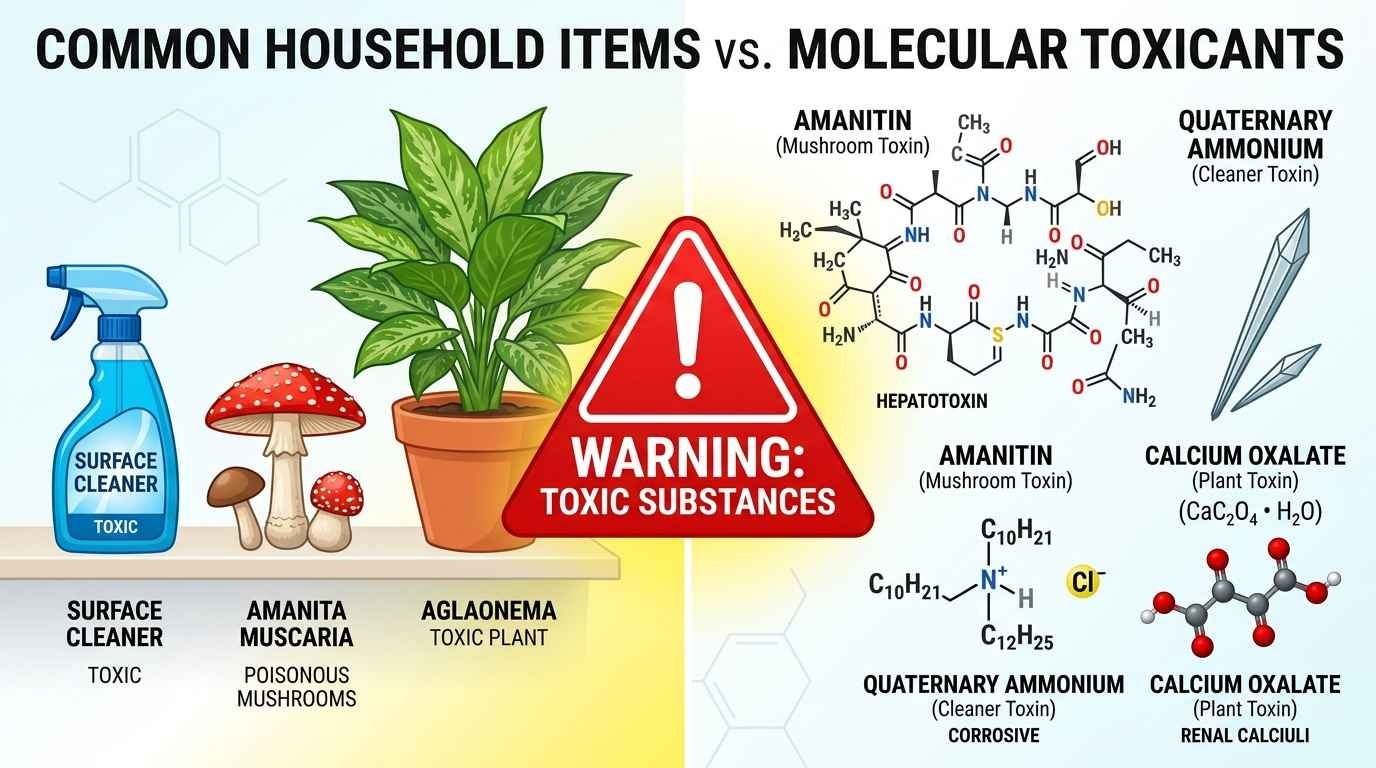
At its core, a poison is any substance that causes injury, illness, or death when introduced into the body, This category is broad and includes chemicals, plants, animals, and even food, The term poisonous things often evokes images of exotic snakes or toxic waste, but reality is far more domestic, Everyday poisonous items lurk in your kitchen, bathroom, and garden, To truly protect your household, you must recognize that common poisonous things are not always obvious, The danger lies in their accessibility and our tendency to underestimate their potency.
How Poisoning Happens
Poisoning occurs through four main routes: ingestion, inhalation, absorption, and injection, Each pathway demands a different prevention strategy.
- Ingestion — Swallowing a toxic substance, such as a cleaning solution mistaken for a drink or a look-alike berry from a plant, This is the most common route for household accidents, especially with most poisonous things being small and easily swallowed.
- Inhalation — Breathing in fumes, gases, or airborne particles, Think of carbon monoxide from a faulty heater or aerosol sprays used in a poorly ventilated room.
- Absorption — Contact through the skin or eyes, Common toxins in daily life like pesticides or certain essential oils can be absorbed directly, bypassing the digestive tract.
- Injection — The poison is introduced via a bite, sting, or needle, This includes venom from spiders, snakes, or even a contaminated needle.
Common Poisonous Plants
Many beloved houseplants and garden varieties are surprisingly toxic, Here are four notorious examples that every home should watch for.
| Plant Name | Toxic Part | Primary Toxin | Symptoms in Humans |
|---|---|---|---|
| Dieffenbachia (Dumb Cane) | Leaves & stem | Calcium oxalate crystals | Swelling of tongue, throat, difficulty breathing |
| Oleander | All parts | Cardiac glycosides | Irregular heartbeat, nausea, blurred vision |
| Philodendron | Leaves | Calcium oxalate crystals | Burning mouth, drooling, vomiting |
| Peace Lily | Leaves & flowers | Insoluble calcium oxalates | Irritation, extreme burning, swelling |
Poisonous Mushrooms to Avoid
Mushrooms can look innocent but some are among the deadliest organisms on Earth, Mistaking a toxic cap for an edible one can be fatal.
Poisonous mushrooms often resemble safe varieties, For example, the Death Cap (Amanita phalloides) looks similar to edible paddy straw mushrooms, The most poisonous things in the fungal world are often the most unassuming, Dangerous poisonous substances like amatoxins destroy liver cells and are heat-stable, meaning cooking does not neutralize them.
Examples of poisonous things in this category include:
Household Products That Can Be Toxic
Your garage, laundry room, and under-sink cabinets are filled with items that are silently dangerous, Understanding their toxicity is vital.
Common poisonous things in this category include bleach, ammonia, antifreeze, and certain cleaning products, The risk is highest when these toxic things around the house are mixed, such as bleach and ammonia producing deadly chloramine gas.
Things that are poisonous to humans in this category often lack a strong warning smell, For instance, antifreeze (ethylene glycol) tastes sweet, attracting children and pets, Here is a simple Q&A to clarify a frequent concern:
Question: How do I safely store household chemicals if I have a toddler?
Answer: Always keep chemicals in their original containers with labels intact, Store them high up, out of reach, preferably in a locked cabinet, Use child-proof locks, Never transfer examples of poisonous things like drain cleaner into food containers, as this is a leading cause of accidental ingestion.
Poisonous Foods and Ingredients
Your pantry may hold items that are dangerous if prepared or consumed incorrectly, Awareness is your best defense.
Everyday poisonous items in food include raw kidney beans, green potatoes, cherry pits, and nutmeg in large amounts, For example, raw or undercooked kidney beans contain high levels of lectin, causing severe nausea and vomiting, Green potatoes contain solanine, a natural pesticide that can cause headaches and paralysis, Common toxins in daily life like these are often neutralized by proper cooking or peeling, but neglect can turn a meal into a hazard.
Dangerous Medications and Chemicals
Your medicine cabinet and cleaning closet hide some of the most immediate threats in a home, Overdose or mixing the wrong substances can be fatal.
Painkillers (opioids), sedatives, and antidepressants are among the common poisonous things inside a household, Even acetaminophen (Tylenol) can cause irreversible liver damage if taken above the daily limit, Toxic things around the house include simple over-the-counter medications that we trust daily.
Question: What medicine is most dangerous for young children?
Answer: Iron supplements, heart medications, and antidepressants rank high, But the number-one cause of pediatric poisoning calls is actually painkillers left within reach, Always store examples of poisonous things like opioid patches or liquid acetaminophen in locked cabinets.
Poisonous Animals and Insects
Not all threats come from bottles or plants; some are hiding in corners and under rocks, Many are surprisingly common.
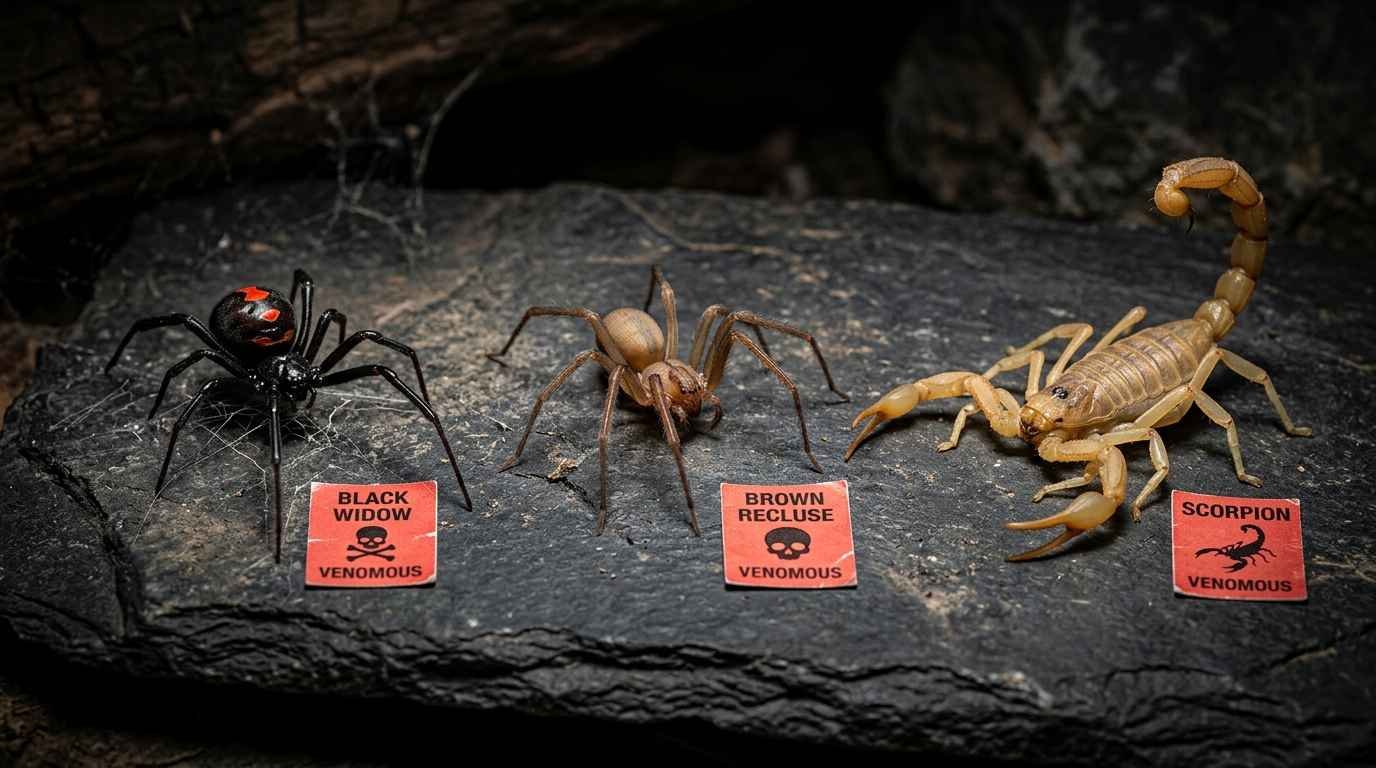
Brown recluse spiders, black widows, scorpions, and certain caterpillars are poisonous animals and insects that can infiltrate homes, Their venom is a type of poison that enters through a bite or sting, The black widow’s neurotoxin causes severe muscle cramps, while the brown recluse can lead to tissue necrosis, Dangerous poisonous substances from these creatures are often injected, making reactions sudden and severe.
What to Do in a Poisoning Emergency
If someone has been exposed, seconds matter, A calm, quick response can save a life.
- Call Poison Control immediately, In the U.S., dial 1-800-222-1222, Keep the number on your fridge and in your phone.
- Do NOT induce vomiting unless instructed, Many most poisonous things can cause more damage on the way back up.
- Identify the poison, Collect the container, plant, or substance, Take a photo of the source if safe.
- Follow medical instructions, They may tell you to go to an emergency room or administer first aid at home.
- Monitor symptoms, Watch for difficulty breathing, seizures, or loss of consciousness, Be ready to describe these to the operator.
How to Prevent Accidental Poisoning
Prevention is always better than a cure, Simple household routines can drastically reduce risk.
| Area of Concern | Common Risk | Prevention Tip |
|---|---|---|
| Kitchen | Raw beans, green potatoes, cleaning sprays | Store cleaners in a high cabinet, not under the sink |
| Bathroom | Medications, drain cleaners, mouthwash | Use child-resistant caps and lock the medicine cabinet |
| Garage / Basement | Antifreeze, gasoline, pesticides | Keep in original containers, never in soda bottles |
| Living Areas | Poisonous plants, batteries, essential oils | Place plants out of reach, and secure button batteries with tape |
Remember that common toxins in daily life are often overlooked because they feel familiar, By recognizing these poisonous things and adjusting your storage habits, you protect everyone in your home.
Frequently Asked Questions About Poisonous Things
This section clarifies the most common misconceptions about household poisons, Here are three key answers.
Question: Are essential oils safe to use around pets and children?
Answer: Not always, Many essential oils (tea tree, eucalyptus, peppermint) are things that are poisonous to humans when ingested in concentrated form, They can cause seizures, liver damage, or respiratory distress, Always dilute properly and never diffuse around cats or dogs.
Question: Can you die from eating a raw kidney bean?
Answer: Yes, it is possible, Raw or undercooked kidney beans contain dangerously high levels of the toxin lectin, Eating just 4–5 raw beans can cause severe vomiting and diarrhea, This is one of the examples of poisonous things in most pantries that people do not suspect.
Question: Is carbon monoxide really that dangerous?
Answer: Absolutely, Carbon monoxide (CO) is a colorless, odorless gas produced by faulty furnaces, stoves, or car exhaust in a closed garage, It is among the most poisonous things you can encounter because it binds to hemoglobin, preventing oxygen from reaching your organs, Install CO detectors on every floor of your home.
Understanding the common poisonous things that may be lurking in everyday household items is the first critical step toward preventing accidental exposures, especially for curious children and unsuspecting pets, By identifying these hidden dangers ranging from certain cleaning agents to seemingly innocent plants, you can take proactive measures to secure your living space and store harmful substances safely out of reach, Remember that knowledge about these poisonous things should not lead to fear but rather empower you to create a safer environment through proper labeling, secure storage, and education for everyone in your home.