Understanding whether wild cucumber poisonous properties pose a real threat to humans and animals is critical for anyone exploring nature or managing gardens.
This plant, scientifically known as Echinocystis lobata, produces attractive fruits that often raise immediate concern among hikers and homeowners alike. To address the core question directly, the fruit and seeds are generally considered nontoxic but can cause mild digestive upset if ingested in large quantities.
In this comprehensive guide, we will examine the plant’s true toxicity levels, common symptoms of exposure, and how to distinguish it from genuinely harmful lookalikes.
Is Wild Cucumber Poisonous?
Yes, wild cucumber is poisonous to humans and animals when ingested in significant amounts.
- Immediate reaction: Chewing on seeds or fruit pulp can cause intense burning in the mouth and throat.
- Digestive upset: Within 30 minutes to 2 hours, symptoms like nausea, vomiting, and diarrhea may appear.
- Severity: Amount consumed and individual sensitivity determine toxicity level; most cases resolve with supportive care.
- Key difference from edible cucumber: Wild cucumber contains cucurbitacins—bitter, toxic triterpenoids—absent in domesticated varieties.
What Is Wild Cucumber?
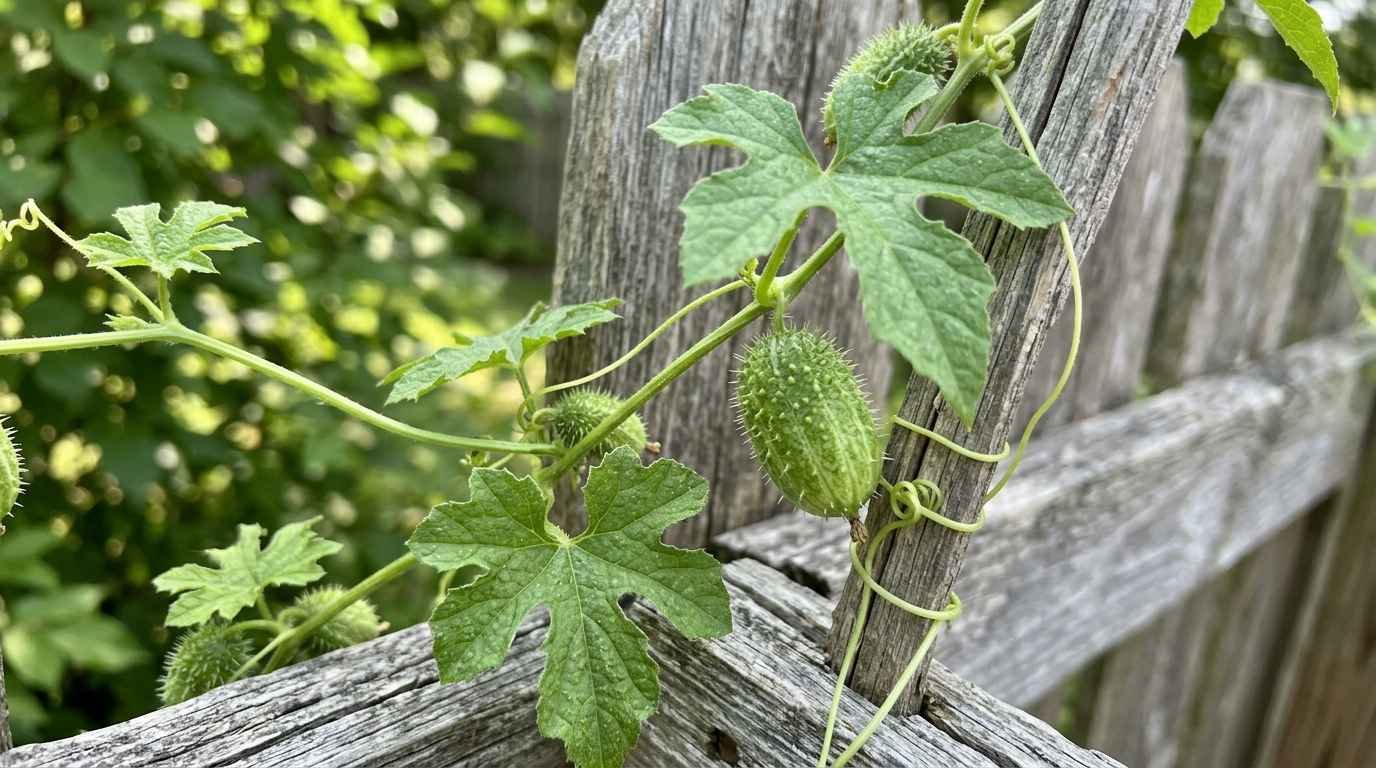
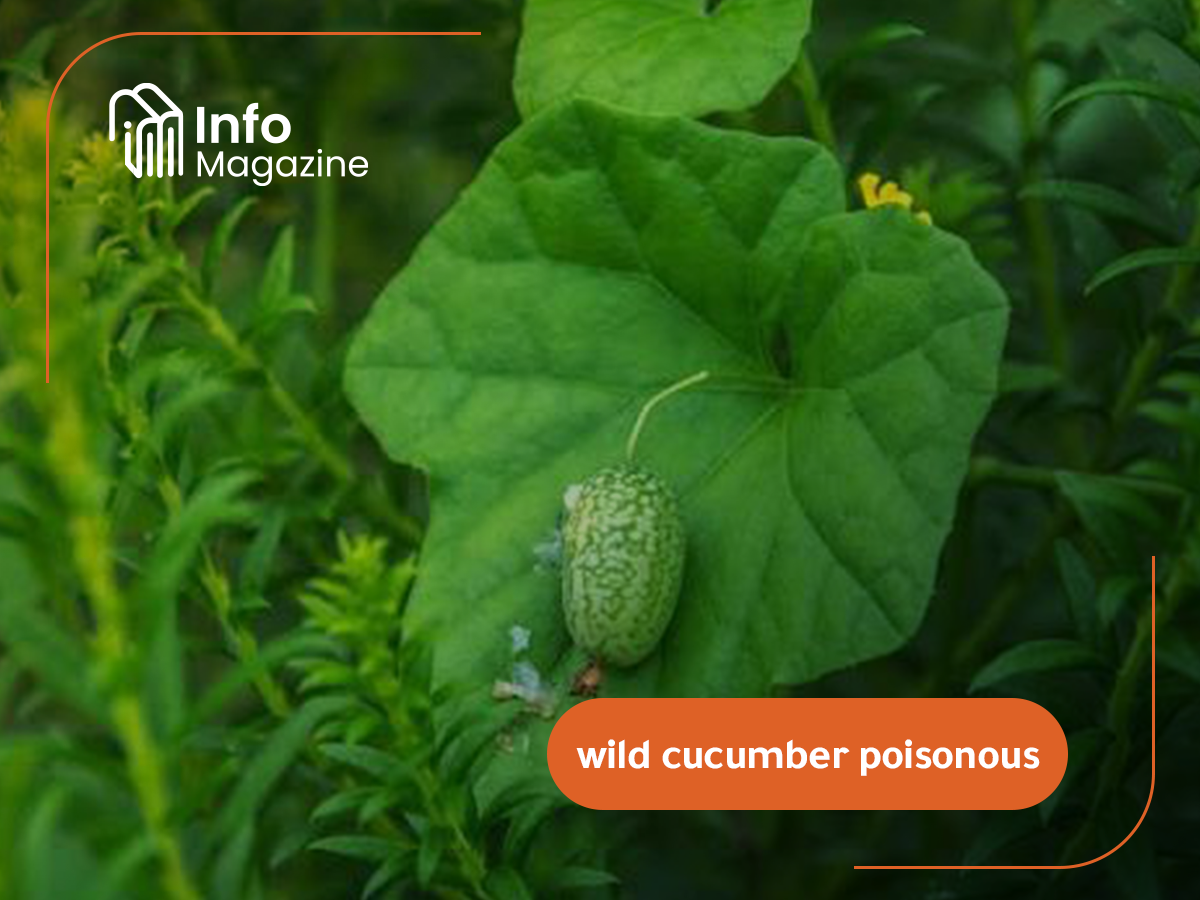
Wild cucumber (genus Echinocystis and Marah) is a fast-growing, climbing vine native to North America.
Unlike the smooth, edible cucumber found in gardens, wild cucumber produces spiny, egg-shaped fruits and has rough, palmate leaves. It belongs to the Cucurbitaceae family, which includes squashes and melons, but its chemical defense mechanisms set it apart. The vine can reach lengths of 20–30 feet, often smothering shrubs and trees in moist woodlands.
Which Parts of Wild Cucumber Are Toxic?
The entire plant contains toxins, but the seeds and fruit pulp are most concentrated.
| Plant Part | Toxin Concentration | Primary Danger |
|---|---|---|
| Seeds | Very high (cucurbitacins) | Bitter taste, vomiting, diarrhea |
| Fruit pulp | High | Mucous membrane irritation, stomach cramps |
| Leaves & stem | Moderate (lower concentration) | Mild digestive upset if large amounts eaten |
| Roots (especially Marah spp.) | High (includes marah toxicity compounds) | Severe gastrointestinal distress, potential liver damage |
Is Wild Cucumber Poisonous to Humans?
Yes, wild cucumber toxic to humans is well documented, though fatalities are rare.
Most cases involve accidental ingestion by children attracted to the unusual spiny fruits, or by adults mistaking the vine for edible wild edibles. The primary toxins—cucurbitacins—act as potent purgatives. Is wild cucumber poisonous? Yes, but the reaction is usually self-limiting: symptoms appear within 1–3 hours and resolve within 24–48 hours with hydration and rest. However, large doses can lead to severe dehydration or electrolyte imbalance. Always consult a medical professional if symptoms persist or worsen.
Is Wild Cucumber Toxic to Pets and Livestock?
Yes, wild cucumber toxic to dogs, cats, horses, and livestock is a serious concern for pet owners.
Dogs are especially susceptible due to their tendency to chew on vines and fruits during walks. Wild cucumber poisoning symptoms in pets include drooling, pawing at the mouth, vomiting, diarrhea, lethargy, and loss of appetite. In livestock, large ingestions may cause colic or dehydration. The compound marah toxicity (from Marah species) can also cause neurological signs in severe cases.
❓ Common Question
Question: Will a single bite of wild cucumber kill my dog?
Answer: Usually not. Most dogs experience only temporary vomiting and diarrhea. However, small breeds or those with pre-existing conditions may become dehydrated quickly. Always monitor your pet and call your vet if symptoms last more than a few hours, if blood appears in stool, or if your dog seems unusually weak or uncoordinated.
Symptoms of Wild Cucumber Poisoning
Symptoms range from mild mouth irritation to severe gastrointestinal distress, typically appearing within 1–3 hours after ingestion.
The severity of symptoms depends on the amount ingested, the plant part consumed, and individual sensitivity. Here is a chronological breakdown of what typically happens:
- 0–15 minutes: Instant burning, stinging, or tingling sensation in the mouth, lips, and throat. Excessive drooling may occur.
- 15–60 minutes: Nausea sets in, often followed by retching or vomiting. Abdominal cramping begins.
- 1–3 hours: Diarrhea—sometimes watery or explosive—develops. Weakness and dizziness from fluid loss may appear.
- 3–12 hours: Symptoms peak. Most people recover gradually with rest and hydration. Severe cases may show signs of dehydration (dark urine, dry mouth, rapid heartbeat).
What Happens If You Eat Wild Cucumber?
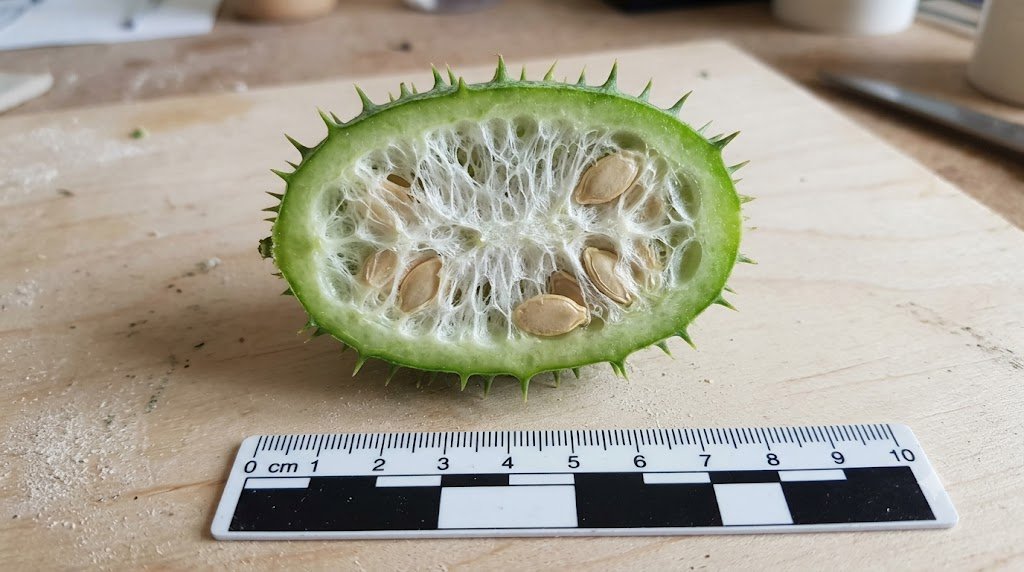
Eating wild cucumber triggers a rapid toxic reaction, primarily due to cucurbitacins that irritate mucous membranes and digestive tract.
The body’s natural defense mechanism is to expel the toxins quickly. This explains the immediate bitterness, burning sensation, and subsequent vomiting or diarrhea. The good news is that the toxins are not absorbed deeply into the bloodstream—they primarily act locally in the gut. However, substances like marah toxicity (from Marah species roots) can be more dangerous because they may cause liver irritation if large quantities are consumed.
For most healthy adults, recovery happens without long-term effects within 24–48 hours. The key is to stay hydrated. Children and the elderly are more vulnerable because they lose fluids faster. If a child eats only one or two seeds, expect mild symptoms; if they eat several fruits or chew on the root, seek medical help immediately. In pets, particularly dogs, the wild cucumber toxic to dogs risk is similar—most cases resolve with supportive care, but prompt veterinary attention is advised for small breeds or animals that show signs of severe pain or collapse.
How to Identify Wild Cucumber Safely
Correct identification of wild cucumber prevents toxic exposure, as several harmless plants look similar at first glance.
Use these five clear markers to distinguish the wild cucumber poisonous vine from look-alikes like bur cucumber or edible wild greens:
| Identification Feature | Wild Cucumber | Look-Alike (Safe) | Key Difference |
|---|---|---|---|
| Fruit shape & texture | Oval to round, 2–5 inches, covered in soft spines | Smooth cucumber (elongated, no spines) | Spines and rounder shape indicate wild cucumber |
| Leaf shape | Deeply palmately lobed (5–7 lobes), rough texture | Smooth, heart-shaped or more rounded leaves | Rough, star-like lobes vs. smoother edges |
| Vine tendrils | Branched, coiling tightly around supports | Simple or absent tendrils | Branched tendrils are a hallmark of wild cucumber vine |
| Flowers | Small, white or greenish, clustered | Yellow or showy flowers | White blooms vs. bright colors |
| Smell when crushed | Bitter, slightly acrid odor | Mild, pleasant cucumber scent | Bitter smell is a red flag for wild cucumber plant toxicity |
When foraging, always take a photo of the entire plant (vine, leaves, fruit, and flowers) and compare with trusted field guides or apps. Never rely on a single feature—use at least three of the markers above. If you are still unsure, do not touch or taste the plant.
Frequently Asked Questions About Wild Cucumber Toxicity
Here are the most common questions readers ask regarding wild cucumber toxicity in humans and pets.
Question: Is it safe to touch wild cucumber with bare hands?
Answer: Yes, touching the spiny fruit or leaves is generally safe for most people, though the spines can cause minor skin irritation or a prickling sensation in sensitive individuals. However, always wash your hands afterward because the cucurbitacins on the surface can transfer to your mouth if you eat without washing. If you have cuts or scrapes on your hands, wear gloves to avoid any local inflammation.
Question: Can cooking or boiling wild cucumber remove the toxins?
Answer: No. Cucurbitacins are heat-stable compounds; they do not break down during cooking, boiling, or drying. Even after prolonged heating, the bitter toxins remain active. Do not attempt to render wild cucumber edible through any preparation method—there is no safe way to consume this plant.
Question: Is wild cucumber poisonous to birds or wildlife?
Answer: Some birds and small mammals can eat small amounts of the fruit without obvious harm, likely because they either avoid the seeds or have evolved tolerance. However, this does not mean it is safe for pets or humans. Never assume a plant is safe because you see animals nibbling on it—many animals have different digestive enzymes or may eat only the non-toxic pulp.
Question: How long does wild cucumber poisoning last in dogs?
Answer: Most dogs recover fully within 12–24 hours after ingestion of the fruit or leaves. Symptoms like vomiting and diarrhea usually stop within a few hours. If your dog is still vomiting after 4–6 hours, or if you see blood in the stool, contact your veterinarian. The wild cucumber toxic to dogs profile is generally mild, but young puppies or dogs with kidney issues may need intravenous fluids to prevent dehydration.
Question: What should I do if I accidentally swallow a seed?
Answer: Do not panic. Drink a glass of milk or water to dilute the irritant. Avoid eating or drinking anything else until you know how you feel. Monitor for the onset of symptoms over the next 2 hours. If you experience a burning sensation, nausea, or vomiting, contact your doctor or Poison Control. Most single-seed ingestions cause only minor oral discomfort.
Question: Are there any reported deaths from wild cucumber?
Answer: In modern medical literature, no fatal cases of wild cucumber poisoning in humans have been reported in North America over the past 30 years. The toxins, while painful, are efficiently expelled. However, extreme dehydration from severe vomiting/diarrhea or allergic reactions could theoretically become life-threatening in vulnerable individuals. Always treat ingestion seriously, especially for children and the elderly.
Understanding whether a wild cucumber poisonous plant poses a genuine threat is crucial for any forager who values safety and environmental stewardship. The scientific reality is that while wild cucumber fruits and seeds contain bitter cucurbitacins that can cause significant gastrointestinal distress if ingested, the plant is not considered highly toxic in the same way as deadly nightshade or water hemlock.
Responsible foragers must always confirm their identification using multiple field guides and avoid consuming any part of the plant unless they have received explicit guidance from a qualified botanist or experienced herbalist.
By respecting the plant’s natural defenses and learning to distinguish it from look-alike species, you can safely enjoy the outdoors without unnecessary risk. Ultimately, the most important takeaway is that knowledge and caution are your best tools when exploring the edible and poisonous plants in your local ecosystem.