The fact that lily of the valley poisonous to humans is a critical reality every gardener and homeowner must understand because even tiny amounts of this plant can trigger severe cardiac distress. This charming perennial contains toxic cardiac glycosides that disrupt the heart’s natural rhythm and can lead to life-threatening complications if any part is ingested.
The article will thoroughly examine the specific toxins involved, the distinct symptoms of poisoning, immediate first aid steps, and effective strategies for keeping children and pets safe from this deceptive beauty.
Is Lily of the Valley Poisonous to Humans?
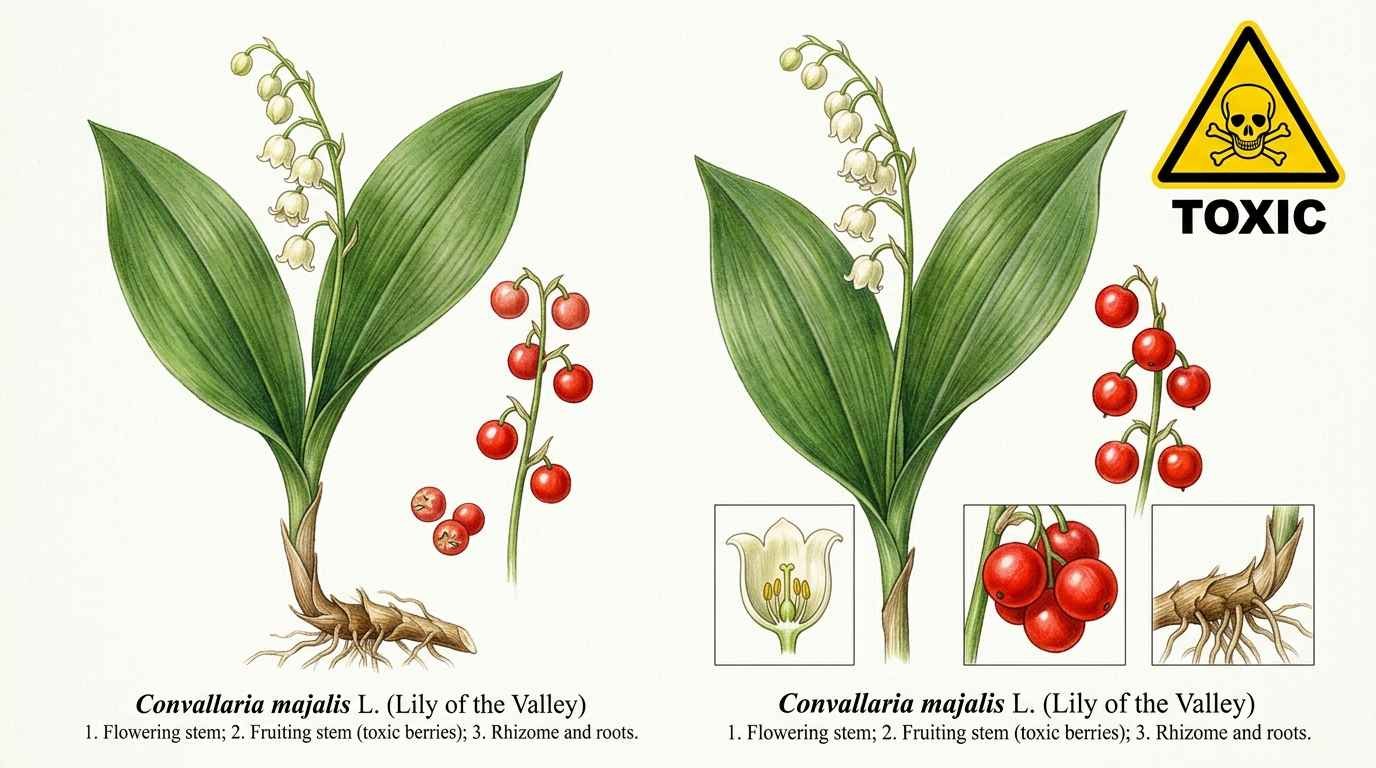
Yes, every part of this plant is highly toxic. Ingesting even a small amount can cause serious medical issues.
This common garden plant contains cardiac glycosides that disrupt heart function. For a direct answer to ‘is lily of the valley poisonous to humans’, the risk is systemic and potentially fatal if untreated.
What Makes Lily of the Valley Toxic?
The plant contains over 40 cardiac glycosides, primarily convallatoxin and convalloside. These chemicals directly affect heart rhythm.
When asking ‘how poisonous is lily of the valley’, understand that these compounds inhibit the sodium-potassium pump in heart cells. This causes dangerous arrhythmias and can lead to cardiac arrest. The toxins are also present in the soil around the roots, making even indirect contact risky if wounds are present.
Which Parts of the Plant Are Poisonous?
Every part—roots, stems, leaves, flowers, and berries—contains lethal cardiac glycosides. No portion is safe to handle or ingest.
- Flowers and Leaves: High concentration of convallatoxin; even a few bites can trigger symptoms. The question ‘is lily of the valley poisonous to touch’ applies here: handling wet leaves or flowers may cause skin irritation but not systemic poisoning.
- Berries and Seeds: Extremely dangerous, especially for children and pets. The bright red berries attract toddlers, and swallowing just two can be deadly.
- Roots and Rhizomes: Contain the highest toxin load. Digging or mulching without gloves can lead to skin absorption if you have cuts.
- Dried Parts: Still toxic; dried leaves or flowers in potpourri retain cardiac glycosides for years.
Note on ‘lily of the valley safe for dogs’: It is not safe. Dogs often dig up bulbs, and even chewing on a root can cause severe poisoning.
Symptoms of Lily of the Valley Poisoning
Signs appear within 30 minutes to 3 hours. They range from mild nausea to life-threatening heart block.
- Early: Nausea, vomiting, abdominal pain, excessive salivation, headache.
- Advanced: Slow or irregular heartbeat, low blood pressure, dizziness, fainting.
- Critical: Cardiac arrhythmias, seizures, coma, respiratory failure.
In children: Symptoms escalate quickly. Diarrhea with blood and sudden lethargy are red flags. Always provide ‘lily of the valley poisonous berries’ specifics to medical responders.
How Much Lily of the Valley Is Dangerous?
Even a single flower or berry can cause significant poisoning in a child. For adults, the lethal threshold is surprisingly low.
| Amount Ingested | Risk Level | Typical Victim |
|---|---|---|
| 1–2 berries | High (severe poisoning) | Child (under 5 years) |
| 3–5 flowers | Extreme (life-threatening) | Adult |
| 1 root (rhizome) | Critical (cardiac arrest) | Any human |
| Dried leaves (1 gram) | Moderate to severe | Adult |
Regarding convallaria majalis toxicity: Even minimal contact with mucous membranes (eyes, mouth) can cause local irritation. The LD50 (lethal dose for 50% of subjects) is estimated at 0.1–0.3 mg/kg for children. Always treat exposure with urgency.
What Happens If a Child Eats Lily of the Valley?
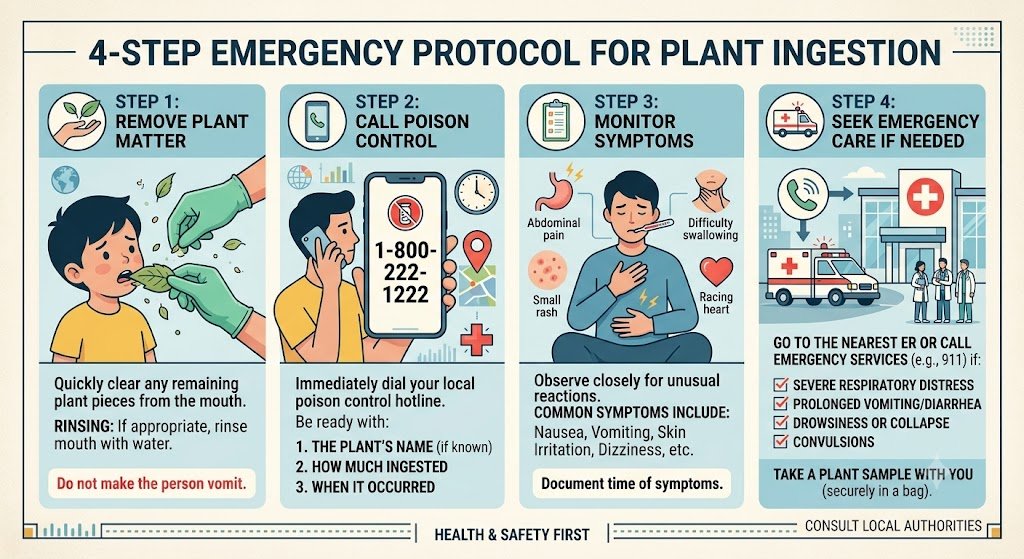
A child swallowing any part of this plant triggers rapid poisoning. Immediate symptoms can appear within 30 minutes.
Because a child’s body is smaller, the effect of cardiac glycosides is magnified. The answer to ‘lily of the valley is it poisonous’ is a definite yes, and especially dangerous for little ones. Even one berry can cause severe vomiting, diarrhea, and heart rhythm changes that may lead to collapse. Parents should watch for sudden drooling, confusion, or a very slow pulse. Do not wait for symptoms to worsen—call poison control at 800-222-1222 immediately if ingestion is suspected. The question ‘is the lily of the valley poisonous’ is answered by its track record: hundreds of child poisonings are reported annually in North America alone.
How Lily of the Valley Poisoning Is Treated
Treatment focuses on stabilizing the heart and removing toxins from the body. Medical intervention is always required.
Upon arrival at the ER, doctors will assess heart function with an ECG and measure electrolyte levels. The core ‘lily of the valley poisoning treatment’ protocol includes activated charcoal to bind toxins if the ingestion happened within two hours, IV fluids to maintain blood pressure, and antiarrhythmic drugs like lidocaine to stabilize the heartbeat. In severe cases, a temporary pacemaker or Digibind (digoxin-specific antibody fragments) may be used to neutralize the cardiac glycosides—this is the same antidote for foxglove poisoning. Patients are typically monitored for at least 24 hours in a cardiac unit. The answer to ‘is lily of the valley poisonous to humans’ is confirmed by the aggressive treatment needed: this is a plant that demands respect.
- Step 1 – Emergency Assessment: Paramedics or ER staff check vitals and perform an ECG immediately.
- Step 2 – Decontamination: If less than 2 hours have passed, activated charcoal may be given (never induce vomiting).
- Step 3 – Cardiac Support: IV medications to correct arrhythmias and maintain heart output.
- Step 4 – Antidote Consideration: Digibind is reserved for critical cases with life-threatening irregular rhythms.
Remember, asking ‘how poisonous is lily of the valley’ leads to this conclusion: it is toxic enough that every minute counts. Avoid home remedies or waiting it out.
How to Handle Lily of the Valley Safely
You can enjoy this plant in your garden if you take protective steps. Safe handling prevents accidental poisoning.
To address ‘lily of the valley dangerous’ scenarios: do not plant it near play areas, vegetable gardens, or where pets roam. If you have curious toddlers, consider removing the plant entirely. For ‘lily of the valley poisonous to touch’ concerns, know that skin contact with intact skin rarely causes systemic poisoning, but broken skin or mucous membranes can absorb toxins. Always wear gloves when pulling weeds or dividing rhizomes. After pruning, seal all trimmings in a bag before disposal—don’t leave them lying on the lawn. If you have dogs, the question ‘lily of the valley safe for dogs’ is answered with a firm no: even digging near the roots can lead to paw-licking and ingestion. Fence off the area or choose a non-toxic ground cover instead.
Frequently Asked Questions About Lily of the Valley Toxicity
Here are the most common concerns answered clearly.
– Is lily of the valley poisonous to humans? Yes, every part of the plant contains cardiac glycosides that disrupt heart function. Even a small amount—like one berry—can cause severe poisoning in a child.
– Is lily of the valley poisonous to touch? Touching intact skin is unlikely to cause systemic poisoning, but handling with cuts or touching eyes/mouth can lead to localized symptoms. Always wear gloves.
– What is lily of the valley toxicity compared to other plants? It is considered one of the most toxic common garden plants, similar in danger to foxglove (Digitalis). The convallaria majalis toxicity level is high enough to be lethal in small doses for children and pets.
– Are lily of the valley poisonous flowers more dangerous than the berries? Both are dangerous, but the berries are especially attractive to children and animals. The ‘lily of the valley poisonous berries’ contain a concentrated dose of convallatoxin and are often mistaken for edible red fruits.
– Is lily of the valley poisonous to dogs? Yes. ‘Lily of the valley safe for dogs’ is a misconception. Dogs can be poisoned by chewing leaves, eating bulbs, or drinking water from a vase containing the flowers. Symptoms in dogs include vomiting, weakness, and heart failure.
– How is lily of the valley poisoning treatment different from other plant poisonings? This plant’s toxins specifically target the heart, so treatment focuses on cardiac monitoring and antiarrhythmic drugs. Induced vomiting is not recommended because it can worsen electrolyte imbalances.
Understanding that lily of the valley poisonous to humans is a serious and potentially life-threatening fact is absolutely essential for any gardener or parent who comes into contact with this deceptive plant. Every part of this beautiful flowering plant contains potent cardiac glycosides that can disrupt the heart’s rhythm and cause severe gastrointestinal distress if ingested, even in small amounts. Prompt recognition of symptoms like blurred vision, nausea, and an irregular heartbeat can be the critical difference between a minor incident and a medical emergency requiring immediate hospitalization.
Prevention strategies such as wearing gloves while handling the plant and keeping children and pets away from affected garden areas remain the most effective line of defense against accidental poisoning. If you suspect someone has consumed any part of this plant, you must call your local poison control center or emergency services without delay and follow their instructions exactly. Sharing this critical safety information with neighbors, family, and fellow gardeners helps create a community that is educated about the risks and prepared to act quickly when necessary.
Taking the knowledge that lily of the valley poisonous to humans is a genuine hazard and applying it through careful landscaping choices and vigilant supervision will protect everyone in your household. Always err on the side of caution by removing the plant from accessible areas or clearly marking its location if removal is not possible. Your commitment to safety today ensures that this lovely but dangerous plant remains only a visual delight and never a source of harm.