The most poisonous flower is a term that often sparks curiosity about which botanical specimen holds the deadliest title in the natural world.
Understanding this flower’s identity and its toxic mechanisms is crucial for anyone who spends time outdoors or in gardens.
This article will reveal the most dangerous contenders, explain their effects on the human body, and offer essential safety tips for identifying and avoiding these lethal plants.
What Is the Most Poisonous Flower?
This term refers to a bloom so toxic that a single touch can trigger severe symptoms or even death in humans.
How Scientists Determine Flower Toxicity
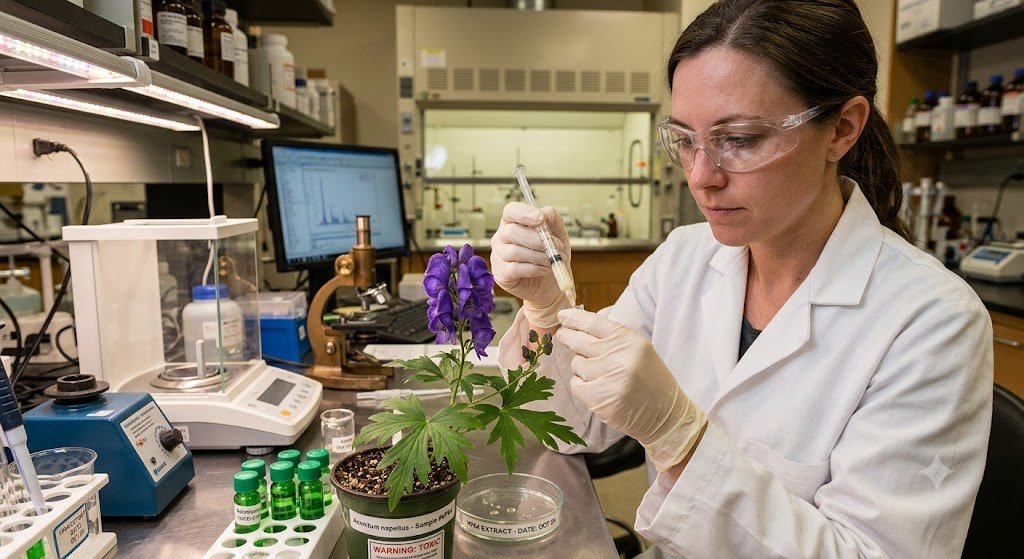
Experts rank deadly flowers by analyzing lethal dose (LD50), toxin concentration, and the speed of symptom onset in mammals.
- Toxin Isolation – Chemists extract and identify the active alkaloids or glycosides from plant tissue.
- Animal Model Testing – Controlled laboratory studies measure the amount required to cause fatal reactions in 50% of test subjects.
- Human Case Reports – Medical literature on accidental poisonings provides real-world evidence of dangerous poisonous flowers.
- Bioassay Scoring – A composite score is assigned based on potency, absorption speed, and availability of antidotes.
The Most Poisonous Flower in the World Explained
The world’s most poisonous flower is the castor bean plant, despite its innocuous appearance and common use in ornamental gardens.
What Makes This Flower So Dangerous?
Its extreme danger comes from ricin, a biological weapon-grade toxin that shuts down protein synthesis at the cellular level.
| Toxin Component | Effect on Human Body | Lethal Dose (oral) |
|---|---|---|
| Ricin (Type 2 RIP) | Inhibits ribosomes, causing cell death | 1–2 milligrams |
| RCA (Ricinus Communis Agglutinin) | Agglutinates red blood cells, leading to organ failure | 2–4 seeds (milled) |
| Alkaloids (e.g., ricinine) | Neurotoxic effects, seizures | Varies; often synergistic |
Where the Most Toxic Flower Grows
The most toxic flower thrives in tropical and subtropical regions, but it has naturalized worldwide as an invasive weed.
Symptoms of Poisoning From Toxic Flowers
Symptoms vary by toxin but often escalate rapidly from mild discomfort to life-threatening organ failure.
The table below outlines the most common symptoms grouped by plant family — note how different toxins target different body systems.
| Poisonous Flower Species | Primary Toxin | Early Symptoms | Severe Symptoms |
|---|---|---|---|
| Castor bean (Ricinus communis) | Ricin | Nausea, vomiting, diarrhea | Seizures, kidney failure, death within 36–72 hours |
| Oleander (Nerium oleander) | Cardiac glycosides | Irregular heartbeat, blurred vision | Cardiac arrest, coma |
| Foxglove (Digitalis purpurea) | Digitoxin | Fatigue, confusion, dizziness | Heart block, fatal arrhythmias |
Can Touching a Poisonous Flower Be Dangerous?
Yes, dermal contact with certain deadly flowers can trigger severe skin reactions or systemic toxicity through absorption.
Unlike ingestion, skin contact often produces delayed symptoms that make it harder to trace the source. Here are four chronological stages of dermal poisoning that have been documented in medical literature:
- Stage 1 (0–30 minutes): Local redness, itching, or a burning sensation at the contact site. The skin may feel warm or tingly.
- Stage 2 (30 minutes–4 hours): Blister formation, swelling, and urticaria. Toxins like urushiol (found in some toxic flowers) penetrate deeper layers.
- Stage 3 (4–24 hours): Systemic absorption begins — the victim may feel nauseous, drowsy, or develop a headache as alkaloids enter the bloodstream.
- Stage 4 (24+ hours): In severe cases, organ-specific effects appear: liver enzyme elevation (from ricin), cardiac irregularities (from oleander), or neurological deficits (from aconitine).
Other Highly Poisonous Flowers Around the World
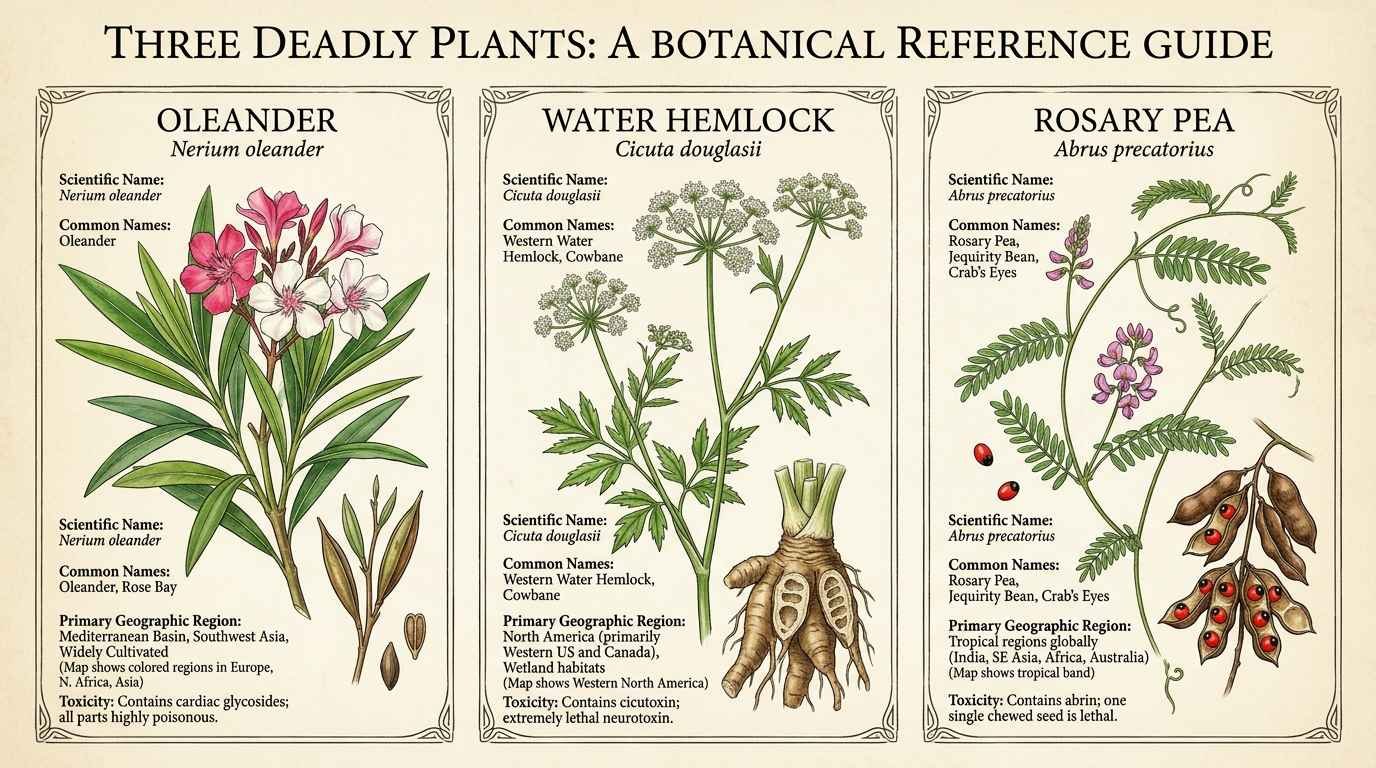
Many most dangerous flowering plants hide in plain sight as garden ornamentals or wildflowers.
Below is a quick-reference guide to five other deadly flowers that every outdoors enthusiast should recognize:
- Angel’s Trumpet (Brugmansia): Contains scopolamine and atropine. Ingestion causes hallucinations, paralysis, and respiratory failure. Native to South America but grown as an ornamental worldwide.
- Monkshood (Aconitum): Also called wolfsbane, its aconitine toxin is absorbed through skin. Ancient warriors dipped arrows in its sap.
- Oleander (Nerium oleander): A single leaf can kill an adult. Cardiac glycosides cause instant bradycardia and death.
- Water Hemlock (Cicuta maculata): The most toxic flower in North America — a single bite of its root causes violent seizures and death in 15 minutes.
- Foxglove (Digitalis purpurea): Digitoxin targets the heart; it is the original source of the drug digitalis used in heart medication, but dosage is microscopic.
How to Stay Safe Around Toxic Flowers
Practical precautions can eliminate almost all risk when you live or travel near poisonous flower species.
Follow these three evidence-based safety protocols developed by the International Society for Poisonous Plant Research:
1. ID, Map, and Flag. Use a plant identification app (e.g., PlantSnap or iNaturalist) to identify every plant in your yard. Mark the location of most poisonous flower species with a fluorescent flag or a smartphone note. Keep children and pets away from flagged areas.
2. Gear Up for Garden Work. Always wear nitrile gloves (not latex) when weeding, pruning, or touching soil near unknown plants. Wash gloves separately after use and avoid touching your face during work. Ricin can remain active on gloves for weeks.
3. Emergency Response Plan. Write down the number of your regional poison control center and store it in your phone. If exposure occurs, remove contaminated clothing immediately, rinse skin with copious amounts of water for 15 minutes, and do not induce vomiting unless instructed.
Frequently Asked Questions About the Most Poisonous Flower
Here are concise answers to the three most common queries from readers.
Question: What is the world’s most poisonous flower that I can accidentally encounter in my own garden?
Answer: The most poisonous flower commonly found in home gardens is oleander (Nerium oleander). Its beautiful pink or white blooms hide cardiac glycosides that can stop your heart if ingested. Even smoke from burning oleander wood is toxic.
Question: Can animals be poisoned by the same deadly flowers?
Answer: Yes, many poisonous flower species that harm humans also affect dogs, cats, horses, and livestock. Castor beans and oleander are particularly lethal to companion animals, causing vomiting, lethargy, and sudden death within hours.
Question: Are there any antidotes for the most toxic flower?
Answer: There is no specific antidote for ricin poisoning from castor bean. Treatment is supportive: activated charcoal (if ingested recently), intravenous fluids, and dialysis for kidney failure. For cardiac glycoside toxins like those in oleander, digoxin-specific antibody fragments (Digibind) can reverse heart rhythm abnormalities if administered early.
Recognizing the most poisonous flower is not merely an exercise in botanical curiosity but a crucial step in safeguarding yourself and your loved ones from potentially fatal encounters with nature’s deadliest plants. While the allure of a garden filled with such striking blooms as oleander or foxglove may be strong, their toxic properties demand a level of respect and caution that cannot be overstated for any homeowner or hiker. Understanding the specific risks associated with each plant, from skin irritation to cardiac arrest, empowers you to make informed decisions about landscaping and outdoor exploration without unnecessary fear. Ultimately, the knowledge of the most poisonous flower serves as a powerful reminder that beauty in the natural world often conceals hidden dangers requiring our constant vigilance and education.