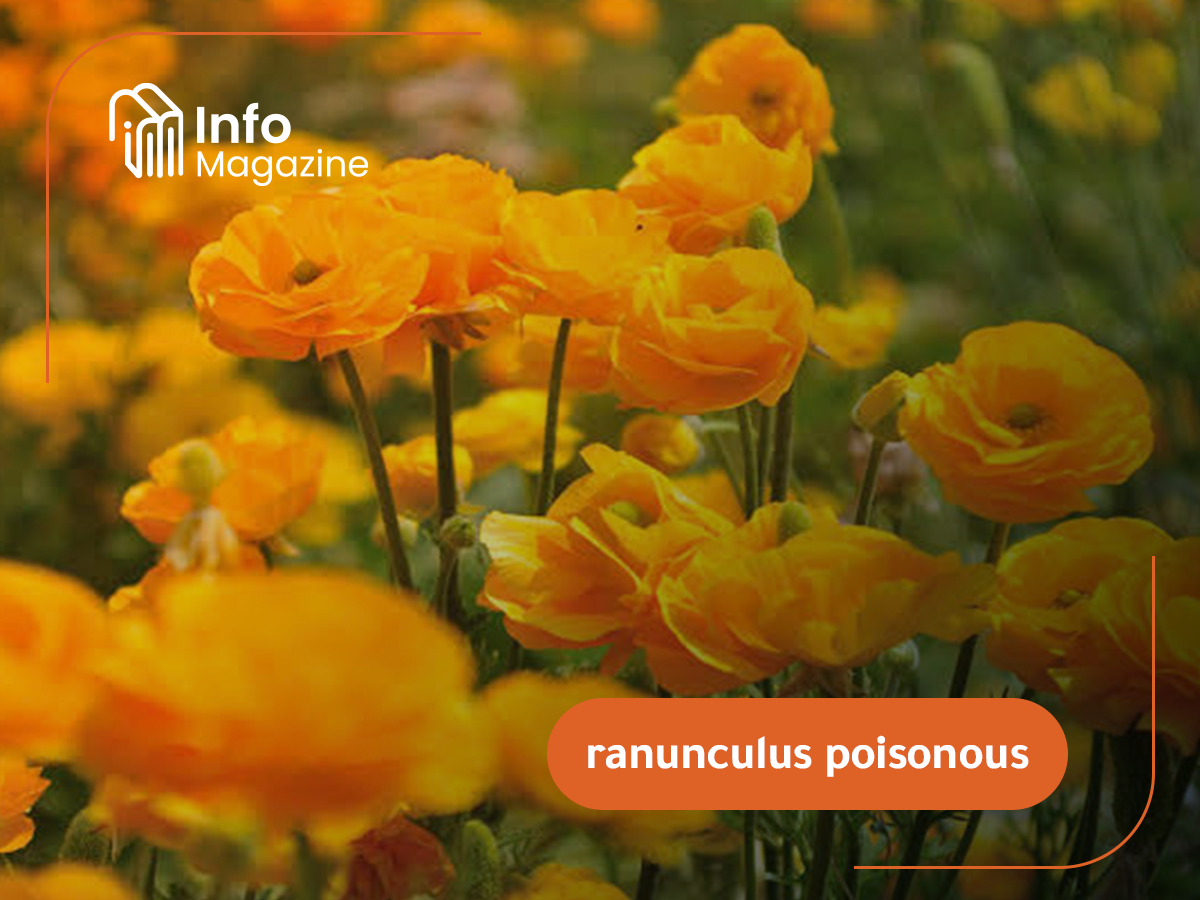
Ranunculus poisonous properties pose a significant risk to humans and pets who come into contact with this deceptive flower, Many gardeners are unaware that the vibrant buttercup family member contains a toxic sap causing skin irritation and oral swelling upon ingestion,
Understanding these dangers is crucial for preventing accidental poisonings in home landscapes and ensuring safe handling practices.
This article will explore the plant’s toxic compounds, symptoms of exposure, and effective ways to protect your family and animals.
Is Ranunculus Poisonous?

Yes, all species of ranunculus contain toxic compounds that can cause harm if ingested or handled improperly.
What Makes Ranunculus Toxic?
The toxicity comes from a chemical called protoanemonin, which is released when the plant is chewed or crushed.
The toxic mechanism is straightforward but serious, When the plant is damaged, a compound called ranunculin breaks down into protoanemonin, This agent irritates any tissue it contacts and can cause distinct symptoms depending on exposure route, The severity of ranunculus poisoning varies directly with the amount of plant material ingested and the specific species involved, For this reason, understanding ranunculus toxicity is essential for every gardener who keeps these plants near living spaces.
Which Parts of the Ranunculus Plant Are Poisonous?
Every part of the plant carries ranunculus plant toxicity, but the sap and leaves are the most immediate threat.
No part of this plant is safe for consumption, While the roots contain the same protoanemonin, the leaves and sap are most often implicated in accidental exposures because they are the most exposed, The stems, petals, and even the pollen can cause contact dermatitis in sensitive individuals, Many gardeners mistakenly believe the flower heads are harmless because they are showy, but that is a dangerous assumption, To keep pets safe, remember that ranunculus toxic to cats and ranunculus toxic to dogs applies to every single part of the plant, including dried or wilted specimens which often retain their potency.
Symptoms of Ranunculus Poisoning
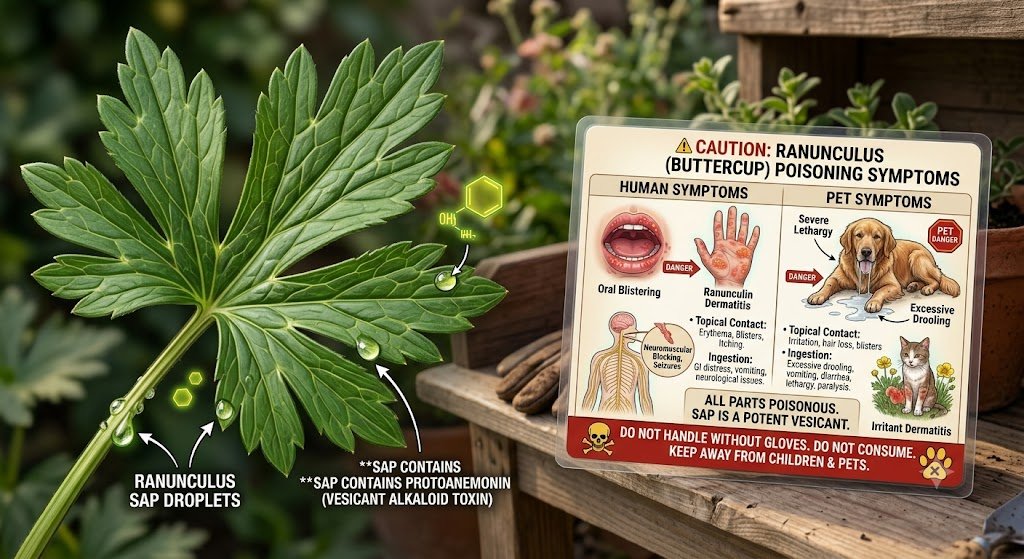
Signs appear quickly after exposure and range from mild mouth irritation to serious gastrointestinal distress.
- Oral Irritation – Immediate burning, swelling, and redness of the lips, tongue, and throat.
- Digestive Upset – Vomiting, excessive drooling, and diarrhea occur within 30 minutes to 2 hours.
- Skin Blisters – Contact dermatitis with weeping blisters if sap touches skin.
- Systemic Effects – In severe cases, dizziness, confusion, or convulsions require emergency veterinary or medical care.
Is Ranunculus Toxic to Humans?
Yes, ranunculus is toxic to humans and can cause painful mouth ulcers and skin rashes upon contact or ingestion.
While severe systemic poisoning is rare in adults because the immediate burning taste discourages swallowing significant amounts, children and sensitive individuals are at higher risk, The most common scenarios involve toddlers picking and tasting flowers, or gardeners handling the plant without gloves, In those cases, ranunculus toxic to humans manifests as blistering of the lips and fingers, If a child ingests even a small petal, rinse their mouth with cold water and contact poison control, For this reason, knowing is ranunculus poisonous around your family is a critical safety consideration before planting.
Question: Can cooking or boiling ranunculus leaves make them safe to eat?
Answer: No, Heat does neutralize some protoanemonin, but ranunculus species are not considered safe for human consumption even after cooking, The risk of residual toxicity and the plant’s unpleasant taste make it inadvisable, Always treat ranunculus as strictly ornamental.
Is Ranunculus Poisonous to Cats and Dogs?
Yes, ranunculus is toxic to both cats and dogs, posing a serious pet health hazard.
| Pet Type | Common Exposure | Early Signs | Urgency |
|---|---|---|---|
| Cat | Chewing leaves, grooming sap from fur | Excessive drooling, pawing at mouth, vomiting | Immediate vet visit |
| Dog | Digging up bulbs, eating flowers | Lip swelling, diarrhea, lethargy | Emergency care within 1 hour |
Buttercup toxicity is often overlooked because pets may nibble only a small amount, but the concentrated protoanemonin in ranunculus triggers rapid irritation, If you suspect your cat or dog has ingested any part of this plant, do not wait for symptoms to worsen, Contact your veterinarian or a pet poison helpline immediately, The phrase ranunculus toxic to cats and ranunculus toxic to dogs should be a constant reminder to keep these flowers out of reach, especially during spring when blooming is heaviest.
What Happens If You Touch or Eat Ranunculus?
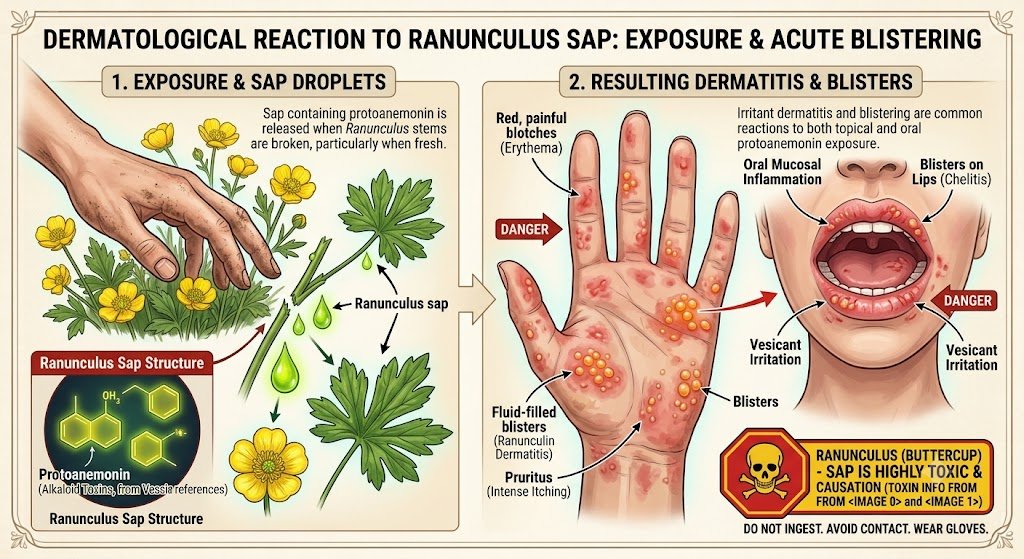
Contact or ingestion causes immediate pain, blistering, and internal distress due to protoanemonin.
The effects depend on the route of exposure, but the outcome is always uncomfortable, Below is a step-by-step breakdown of what typically occurs:
- Skin Contact – Within 5 to 15 minutes, sap causes redness, itching, and small blisters that may ooze, Wash thoroughly with soap and cold water.
- Mouth Contact – If a leaf or petal touches the lips or tongue, you feel a sharp burning sensation, followed by swelling and ulcers, Rinse with milk or water and avoid rubbing.
- Swallowing – After ingesting even a small piece, severe stomach pain, vomiting, and diarrhea develop within an hour, Drink plenty of fluids to dilute, and seek medical help.
- Eye Exposure – Sap in the eye causes intense burning, tearing, and potential corneal damage, Flush with clean water for 15 minutes and go to an eye doctor.
Understanding ranunculus poisoning symptoms helps you react swiftly, While most cases resolve with supportive care, the pain and risk of secondary infection make prevention far better than treatment.
How to Handle Ranunculus Safely
Safe handling starts with wearing protective gear and avoiding any direct skin or mouth contact.
Many gardeners learn about ranunculus plant toxicity the hard way, To prevent accidental exposure, follow these five simple steps every time you work with this plant:
- Wear thick gardening gloves – Thin latex may tear; use fabric or rubber gloves that cover the wrists.
- Use long-handled tools – Pruning shears or trowels keep your hands away from leaves and sap.
- Work in a well-ventilated area – Indoors, open windows; outdoors, avoid windy days that can blow sap onto skin.
- Clean tools immediately – Wash pruners and gloves with hot soapy water after each use to remove residue.
- Dispose of trimmings securely – Place cut stems and leaves in a sealed bag in the trash, not the compost pile.
Frequently Asked Questions About Ranunculus Toxicity
Here are the most common questions people ask about ranunculus toxicity and its risks.
Question: Is ranunculus poisonous if it only touches healthy skin briefly?
Answer: Yes, protoanemonin can penetrate the skin’s outer layer within minutes, Even a brief brush against sap can cause redness and stinging, Always wash the area with soap and water if contact occurs, even if no immediate sensation is felt.
Question: Can dried ranunculus flowers still cause ranunculus toxic to humans symptoms?
Answer: Yes, Drying reduces but does not eliminate protoanemonin, Dried petals can still irritate the mouth and skin, especially if they are ground into powder, Always treat dried ranunculus with the same caution as fresh plants.
Question: Are there any safe varieties of ranunculus for gardens near pets?
Answer: No, All species of ranunculus, including common ornamental buttercups, contain toxic compounds, There are no non-toxic cultivars, If you want a pet-safe garden, choose alternatives like marigolds, petunias, or snapdragons, which carry minimal to no ranunculus toxicity.
Understanding ranunculus poisonous properties is the first step toward a safer garden, By respecting the plant’s power and following these guidelines, you can enjoy its beauty without endangering your family or pets.
Understanding that the ranunculus poisonous nature of this common garden plant stems from ranunculin, which converts to the irritating toxin protoanemonin when damaged, is crucial for gardeners and pet owners alike, Every year, emergency rooms and veterinary clinics across the United States treat a concerning number of exposures to ranunculus, especially among young children who might be attracted to its bright flowers, Gardeners should always wear protective gloves when handling or pruning these plants and should never allow the sap to come into direct contact with open cuts or mucus membranes.
The key to safe cultivation lies in proper identification of the species and immediate washing of any affected skin with soap and copious amounts of water after accidental contact, Educating the entire household about the specific risks posed by this plant can prevent the majority of unpleasant and potentially dangerous poisoning incidents, While the plant is unlikely to cause fatal outcomes in adults from casual contact, the severe pain and blistering it can induce are good reasons to treat it with a healthy respect and caution in any family garden setting.