Many gardeners are drawn to the striking allure of poisonous blue flowers, yet few realize the severe health risks these beautiful blooms can conceal beneath their vibrant petals, Understanding which toxic species pose a threat to children, pets, and unsuspecting adults is absolutely essential for creating a safe outdoor environment while still enjoying ornamental gardening.
This comprehensive guide will detail the most dangerous blue-flowering plants, explain their toxicity mechanisms, and provide expert advice on safe identification and handling practices to protect your loved ones.
What Are Poisonous Blue Flowers?
Poisonous blue flowers are flowering plants that produce blooms in shades of blue while containing chemical compounds toxic to humans, pets, or livestock.
Why Some Blue Flowers Are Toxic
Plants evolve toxicity as a natural defense mechanism against herbivores, using alkaloids, glycosides, or other compounds that disrupt biological functions.
The Most Common Poisonous Blue Flowers
This table compares six widely grown species that contain potent toxins affecting humans and animals.
| Plant Name | Active Toxin | Risk Level | Affected Species |
|---|---|---|---|
| Monkshood (Aconitum) | Aconitine | Deadly | Humans, dogs, cats |
| Delphinium / Larkspur | Delphinine | High | Cattle, humans |
| Bluebell | Scillaren | Moderate | Dogs, cats |
| Blue Camas (death camas) | Zygacine | High | Humans, livestock |
| Morning Glory (some varieties) | Ergoline alkaloids | Moderate | Dogs, cats, humans |
| Periwinkle | Vinca alkaloids | Moderate | Dogs, cats, humans |
Monkshood: One of the Deadliest Blue Flowers
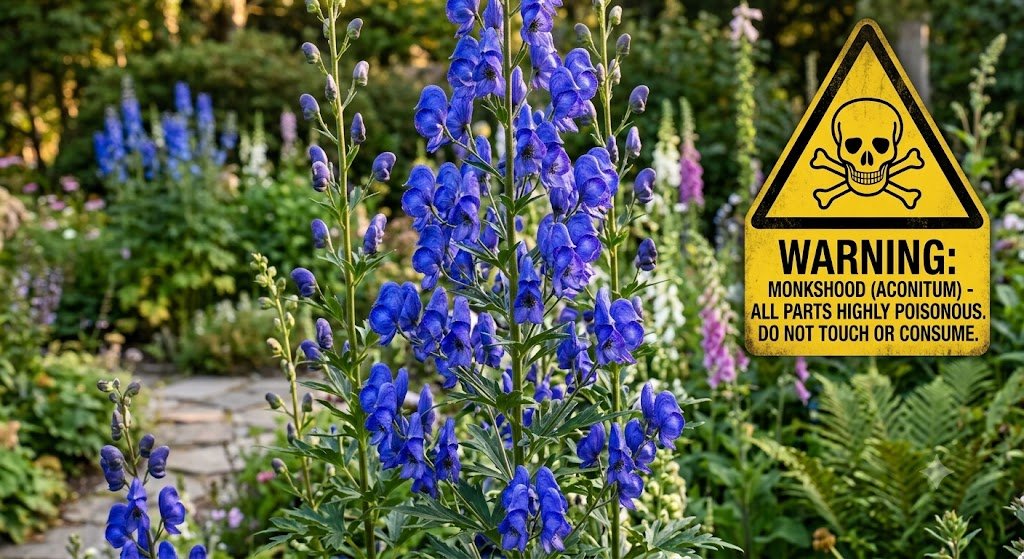
Monkshood, also known as Aconitum, contains aconitine — a neurotoxin that can cause cardiac arrest within minutes of ingestion.
- Identification: Look for tall spikes of deep blue helmet-shaped flowers; leaves are dark green and deeply lobed.
- Toxin Mechanism: Aconitine binds to sodium channels in nerve cells, causing paralysis and heart failure.
- Exposure Paths: All parts are poisonous, especially the roots; even skin contact can cause numbness.
- Pets Warning: Dogs and cats are extremely sensitive; a small nibble of the monkshood blue flower can be fatal.
- First Aid: If ingestion is suspected, call poison control immediately — do not induce vomiting.
Delphinium and Larkspur Toxicity
Delphinium and larkspur (often used interchangeably) contain delphinine and related alkaloids that affect the nervous system and heart.
Question: Are delphiniums dangerous to pets?
Answer: Yes, absolutely, Blue flowers poisonous to dogs and cats include delphiniums because their seeds and young leaves contain high concentrations of delphinine, Even a small amount can cause drooling, vomiting, muscle tremors, and potentially fatal respiratory paralysis, Keep them out of reach of all pets.
Additionally, these toxic blue flowers are a major concern for livestock — especially cattle — where grazing on larkspur in early growth stages leads to high mortality rates in pastures across North America and Europe.
Blue Flowers That Are Dangerous to Pets
Pet owners should recognize which toxic blue flowers pose the greatest risk to dogs and cats in their garden.
- Monkshood (Aconitum) — The monkshood blue flower contains aconitine, which can stop a dog’s heart within minutes of ingestion, Even licking the leaves can cause drooling and collapse.
- Delphinium / Larkspur — Young shoots and seeds are loaded with delphinine, causing muscle tremors and respiratory failure in dogs and cats.
- Bluebell (Hyacinthoides) — All parts, especially the bulbs, contain scillaren, a cardiac glycoside that leads to vomiting, diarrhea, and heart arrhythmias in pets.
- Morning Glory (Ipomoea) — Seeds contain ergoline alkaloids that induce hallucinations, disorientation, and liver damage if eaten by dogs.
- Periwinkle (Vinca major) — Vinca alkaloids cause severe gastrointestinal distress and neurological symptoms in both dogs and cats.
Symptoms of Poisonous Flower Exposure
Recognizing poisoning signs early can save a life — symptoms vary by toxin but often affect the nervous system and heart.
| System Affected | Common Symptoms in Humans | Common Symptoms in Pets |
|---|---|---|
| Gastrointestinal | Nausea, vomiting, cramping | Drooling, retching, diarrhea |
| Nervous System | Dizziness, confusion, numbness | Tremors, seizures, disorientation |
| Cardiovascular | Irregular heartbeat, chest pain | Weak pulse, collapse, cardiac arrest |
| Dermatological | Rash, blisters, itching | Paw licking, fur loss, swelling |
What to Do If You Touch or Eat a Toxic Flower
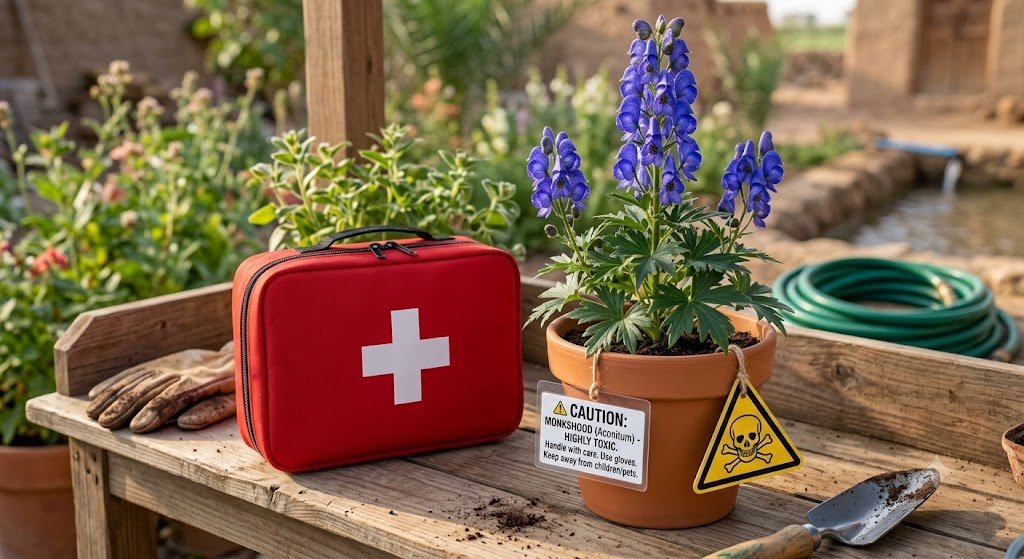
Immediate action after contact with deadly blue flowers can reduce harm—stay calm and follow these steps.
- For skin contact: Remove contaminated clothing and wash the affected area with cool water and mild soap for at least 15 minutes, Avoid rubbing.
- For eye exposure: Flush eyes gently with clean, lukewarm water for 10–15 minutes, holding the eyelid open, Seek medical evaluation afterward.
- For ingestion: Do not induce vomiting unless directed by a medical professional, Rinse the mouth with water and remove any remaining plant matter.
- For pets: If you see your dog or cat nibbling a blue flowers poisonous to cats or dogs, check the mouth for remnants and call your veterinarian or a pet poison helpline immediately, Collect a sample of the plant for identification.
- Always call for help: Save the number for Poison Control (1-800-222-1222 in the U.S.) and the ASPCA Animal Poison Control Center (888-426-4435) in your phone.
How to Identify Poisonous Blue Flowers
Accurate identification of poison blue flower species helps you avoid accidental exposure and protect your family and pets.
Leaf Shape
Monkshood has deeply lobed, dark green leaves; delphinium leaves are palmately divided; bluebells have narrow, grass-like leaves.
Flower Form
Look for hooded, helmet-shaped blooms (monkshood), tall spires with spurred petals (delphinium), or bell-shaped drooping blossoms (bluebell).
Growth Habitat
Blue poisonous flowers often thrive in moist, partially shaded areas, Monkshood prefers rich woodland soil; delphinium likes full sun.
Frequently Asked Questions About Poisonous Blue Flowers
Here we answer the most common concerns about blue flowers toxic to humans and their effects.
Recognizing and respecting the dangers posed by poisonous blue flowers is essential for any gardener who prioritizes safety alongside aesthetics, Understanding that these toxic varieties can cause severe reactions ranging from skin irritation to fatal poisoning if ingested emphasizes the critical need for proper plant identification before adding them to your landscape,
Choosing safer alternatives or implementing strict gardening protocols like wearing gloves and keeping children away from certain plants can significantly reduce the risks associated with cultivating these beautiful yet hazardous species, Ultimately, educating yourself and your family about the specific characteristics of each dangerous bloom ensures a more secure environment without sacrificing the visual appeal of a vibrant garden space.