The world’s most poisonous mushroom, the death cap or Amanita phalloides, is responsible for the vast majority of fatal mushroom poisonings globally, making its accurate identification a critical survival skill for foragers and outdoor enthusiasts, Understanding the specific physical traits of this lethal fungus, such as its pale green cap and universal veil, is essential for distinguishing it from harmless look-alikes and preventing accidental ingestion.
In this article, we will explore the key identification features, habitats, toxicity levels, and emergency first-aid measures associated with this deadly organism.
What Is the World’s Most Poisonous Mushroom?
The title of the world’s most poisonous mushroom belongs to Amanita phalloides, commonly known as the Death Cap, This single fungus causes the majority of fatal mushroom poisonings worldwide.
Why the Death Cap Mushroom Is So Dangerous
The deadliest mushroom in the world owes its lethal reputation to a potent family of toxins called amatoxins, These compounds are heat-stable, meaning cooking does not destroy them.
- Rapid absorption: Amatoxins enter the liver cells within hours of ingestion.
- Irreversible damage: The toxins bind to RNA polymerase, halting protein synthesis and causing cell death.
- Delayed onset: Symptoms can take 6–12 hours to appear, often leading to delayed medical treatment.
- No antidote: There is no specific antidote; treatment is supportive and often requires a liver transplant.
How to Identify the Death Cap Mushroom
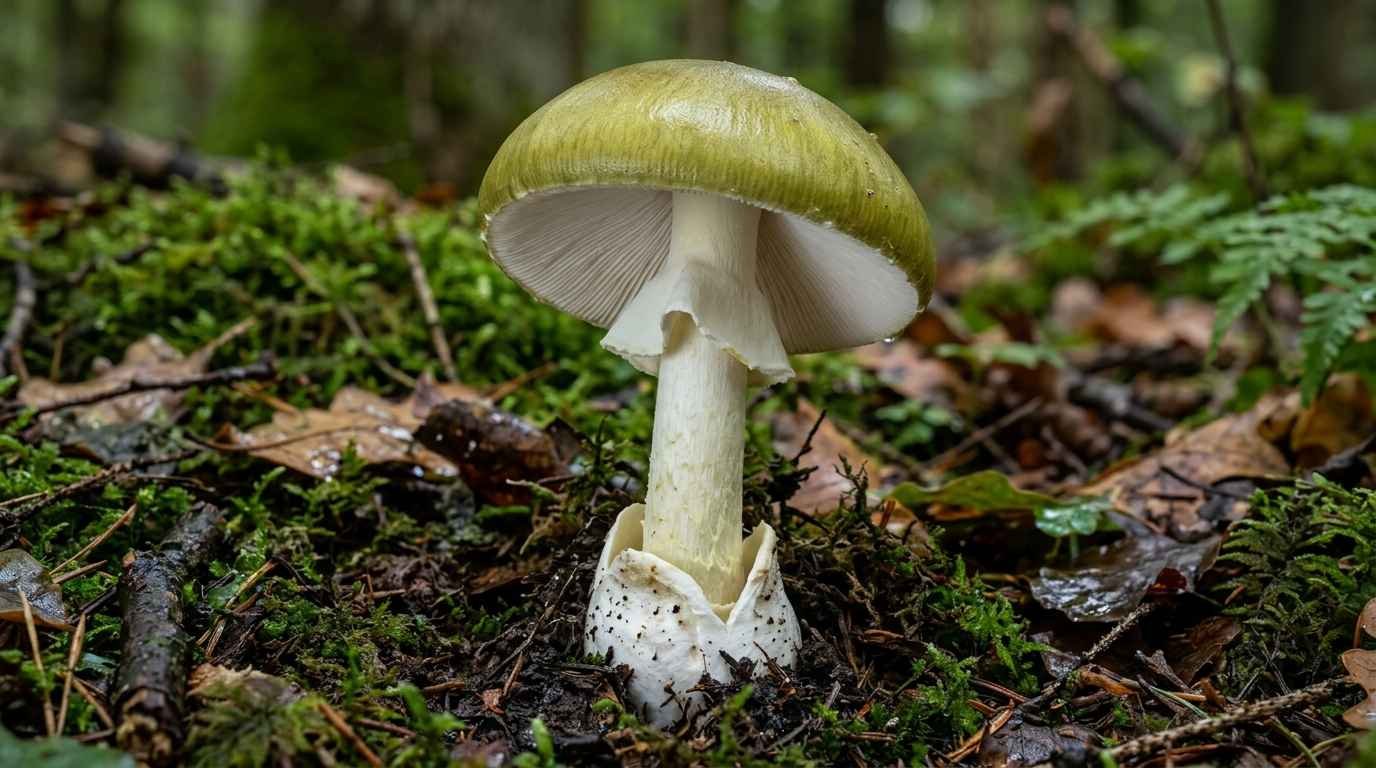
This most toxic mushroom has subtle but distinct features that foragers must learn, Look for these five key identifiers.
- Cap: Pale olive-green to yellowish-brown, often with a slight metallic sheen, Smooth and dome-shaped when young, flattening with age.
- Gills: White, free from the stem, and packed tightly together, Never pink or brown.
- Ring (Annulus): A skirt-like white ring on the upper stem, typically torn and drooping.
- Volva: A bulbous, cup-like sac at the base of the stem, often partially buried, This is a critical feature.
- Spore print: White, This test is definitive for poisonous mushroom species in the Amanita family.
Where the Death Cap Mushroom Grows
The death cap mushroom is native to Europe but has spread globally through tree root systems, It now grows on every continent except Antarctica.
What Makes Death Cap Poisoning So Deadly?
Amanita phalloides contains amatoxins that specifically attack the liver and kidneys, The toxicity is measured in the parts-per-billion range.
| Component | Lethal Dose (per kg of body weight) | Target Organ |
|---|---|---|
| Alpha-amanitin | 0.1 mg/kg | Liver, kidneys |
| Beta-amanitin | 0.2 mg/kg | Liver |
| Phalloidin | 2.0 mg/kg | Liver cells |
Death cap poisoning progresses in three distinct phases, The initial gastrointestinal phase mimics food poisoning, which often leads victims to dismiss the severity, Then a false recovery period occurs, followed by rapid liver failure.
Symptoms of Death Cap Mushroom Poisoning
Recognizing symptoms of death cap mushroom poisoning early can save lives, The timeline is critical for diagnosis.
- Phase 1 (6–12 hours post-ingestion): Severe abdominal pain, nausea, vomiting, and watery diarrhea, This is often misdiagnosed as stomach flu.
- Phase 2 (12–48 hours): Apparent recovery, Enzymes normalize temporarily, but liver damage continues silently.
- Phase 3 (48–72 hours): Jaundice, coagulopathy, hepatic encephalopathy, complete liver and kidney failure, Without a transplant, death is almost certain.
If you suspect ingestion of any most dangerous mushroom, go to the emergency room immediately, Bring a sample of the mushroom for identification.
How Much Death Cap Mushroom Is Fatal?
The quantity needed to kill an adult is astonishingly small—just one mouthful can be lethal.
To put it in perspective, one death cap mushroom can contain 10–15 mg of amatoxins—100 times the lethal threshold for an average adult, Children and elderly individuals are at even greater risk, as their lower body weight makes them more susceptible to the deadliest mushroom in the world.
How Death Cap Poisoning Is Diagnosed and Treated
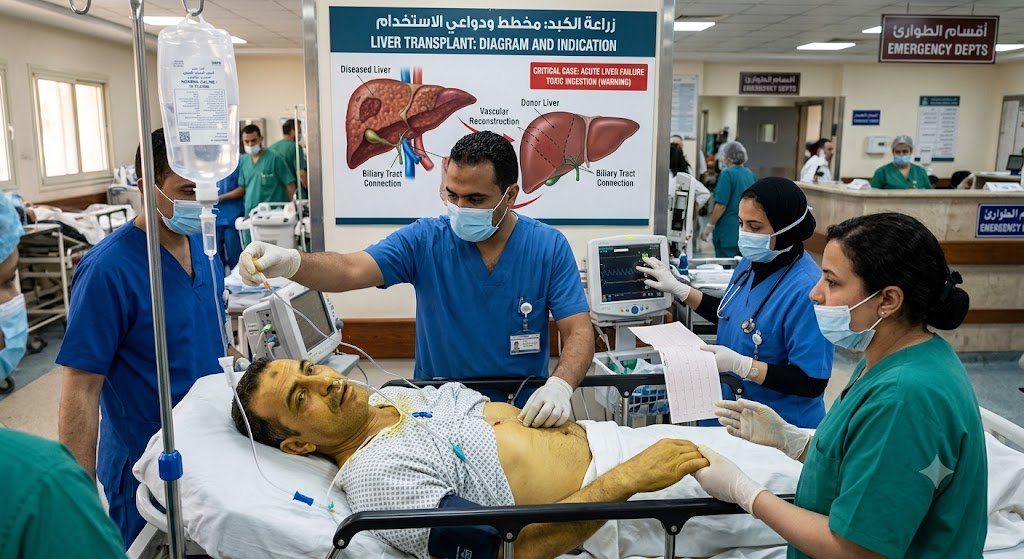
Medical professionals diagnose death cap poisoning through a combination of patient history, symptom timing, and lab tests.
- History & sample ID: Doctors ask about mushroom ingestion and request any leftover caps, A mycologist may visually confirm Amanita phalloides.
- Blood tests: Elevated liver enzymes (ALT, AST) and clotting abnormalities appear within 24–48 hours post-ingestion.
- Urine amatoxin detection: A specialized test can detect amatoxins in urine, confirming exposure to the most poisonous mushroom.
- Supportive care & transplant: Immediate IV fluids, activated charcoal (if early), and N-acetylcysteine are used, For severe liver failure, a transplant is the only cure.
Time is critical: patients who receive care within 6 hours have a much better prognosis, For death cap mushroom poisoning, a liver transplant is the only definitive treatment once liver failure sets in.
Other Extremely Poisonous Mushrooms Around the World
While the death cap holds the title, several other deadly mushrooms pose serious risks to foragers globally.
The following table compares the most dangerous mushroom species by region and toxin type.
| Species | Common Name | Main Toxin | Region |
|---|---|---|---|
| Amanita virosa | Destroying Angel | Amatoxins | Europe, North America |
| Galerina marginata | Deadly Galerina | Amatoxins | Northern Hemisphere |
| Cortinarius rubellus | Deadly Webcap | Orellanine | Europe, North America |
| Gyromitra esculenta | False Morel | Gyromitrin | Europe, North America |
These poisonous mushroom species each have unique characteristics, but they all share one thing in common: they are not worth the risk, The most toxic mushroom families—Amanita, Galerina, and Cortinarius—account for nearly all fatal poisonings worldwide.
How to Avoid Poisonous Mushroom Poisoning
Prevention is the only guaranteed way to stay safe, Follow these five rules to avoid a deadly encounter.
- Never eat wild mushrooms raw, Some toxins are destroyed by cooking, but amatoxins are heat-stable.
- Learn from an expert, Attend a local mycology club or foray with a certified mycologist before attempting to identify deadly mushrooms.
- Use a field guide, Always cross-reference multiple sources, including spore print colors and habitat details.
- Skip the ‘look-alike’ game, Numerous edible mushrooms resemble the most poisonous mushroom, If there is any doubt, discard it.
- Teach children, Reinforce that no mushroom in the wild is safe to touch or eat without a trusted adult’s approval.
Frequently Asked Questions About the World’s Most Poisonous Mushroom
Here are the most common questions people ask about the death cap and its dangers.
Answer: No, Amatoxins are heat-stable and water-soluble, Boiling, frying, or baking does not reduce their toxicity, The most dangerous mushroom remains lethal even after prolonged cooking.
Answer: Symptoms of death cap poisoning typically begin 6 to 12 hours after ingestion, This delayed onset is a hallmark that distinguishes it from food poisoning, Early treatment is critical.
Answer: No reliable home test exists, Folk methods like checking if a mushroom turns a silver spoon black are false and dangerous, Only a trained mycologist and a spore print can confirm Amanita phalloides.
Answer: Go to the emergency room immediately—do not wait for symptoms, Bring any remaining mushroom pieces or a photo for identification, If vomiting occurs, save a sample, Time is the most critical factor in survival.
The most dangerous mushroom is not something to fear blindly, but to respect with knowledge, By learning these identification techniques and safety rules, you can enjoy foraging without risk.
Understanding the world’s most poisonous mushroom, the death cap or Amanita phalloides, is absolutely essential for anyone who forages for wild fungi or enjoys outdoor adventures, Identifying this deadly organism requires more than a cursory glance at its cap color because it can easily be mistaken for several edible puffball species that share similar habitats and an unassuming appearance.
A thorough examination of the cap, gills, volva, and particularly the spore print is a non-negotiable step that separates a safe harvest from a life-threatening mistake, Relying on expert guidance from a local mycological society and carrying a comprehensive field guide are the only reliable methods to confirm your finds and avoid accidental poisoning, Ultimately, the most effective strategy for those who are not trained professionals is to adopt a strict policy of never consuming any wild mushroom unless it has been positively identified by a qualified expert.
This cautious approach, combined with the knowledge that a single cap of the world’s most poisonous mushroom contains enough amatoxins to kill an adult, should override any temptation to take shortcuts in the field, Your safety and the well-being of those you share your meals with depend entirely on this disciplined and informed avoidance of such a deceptive and lethal fungus.