American rubber plant cats interactions cause significant concern for many indoor gardeners who share their homes with curious felines, specifically regarding the plant’s toxic effects, Understanding the immediate risks associated with this popular houseplant is crucial for preventing accidental poisoning and ensuring your pet’s well-being.
This comprehensive article will examine the specific toxic compounds in American rubber plants, detail the common symptoms of ingestion in cats, and provide actionable strategies for creating a safe cohabitation environment between your greenery and your furry friend.
Is the American Rubber Plant Toxic to Cats?
No, the american rubber plant is not toxic to cats—this is a common relief for pet owners.
Veterinary toxicology sources, including the ASPCA, list the american rubber plant as non-toxic for cats, However, “non-toxic” doesn’t mean your cat should feast on it, Eating large amounts can still cause mild gastrointestinal upset, just like any fibrous plant material, For absolute safety, monitor your cat’s behavior after the first exposure, and keep the plant in a spot where nibbling is discouraged.
What Is the American Rubber Plant?
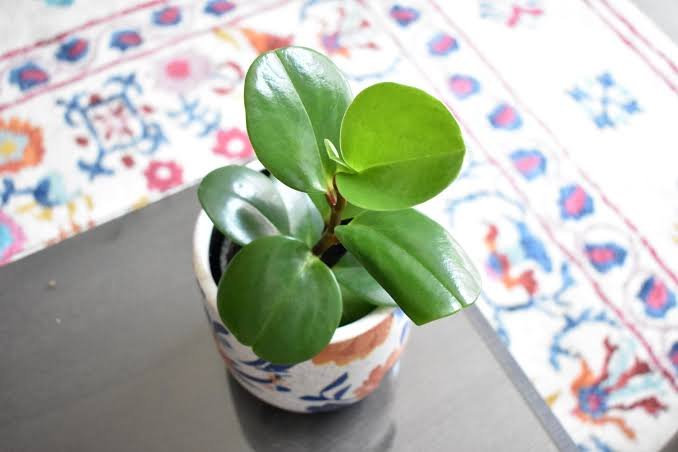
The American rubber plant, also called baby rubber plant or Peperomia obtusifolia, is a compact, glossy-leaved houseplant native to South America.
This plant belongs to the Piperaceae family, not to be confused with the true rubber tree (Ficus elastica), It features thick, waxy, spoon-shaped leaves that grow upright or trailing, making it a popular choice for shelves and desks, Because of its small size (usually under 12 inches tall) and slow growth, it fits perfectly into cat-friendly homes, Many cat owners search for ‘peperomia obtusifolia safe for cats’ and find reassurance that it poses no serious risk, However, the confusion with other “rubber plants” often leads to unnecessary worry—which we’ll clear up in the next section.
American Rubber Plant vs Rubber Plant: Why Cat Owners Get Confused
Many pet owners mix up the American rubber plant with the true rubber plant—a dangerous mistake because their toxicity levels differ drastically.
| Feature | American Rubber Plant (Peperomia obtusifolia) | True Rubber Plant (Ficus elastica) |
|---|---|---|
| Scientific Family | Piperaceae | Moraceae |
| Toxicity to Cats | Non-toxic (safe) | Toxic (contains irritating sap) |
| Leaf Texture | Thick, waxy, smooth edges | Large, leathery, often with red veins |
| Common Confusion | Often mislabeled as “rubber plant” | The true toxic rubber plant |
When cat owners ask ‘is american rubber plant toxic to cats,’ they often receive conflicting answers because sellers use the same common name for both, Always check the Latin name: Peperomia obtusifolia is safe; Ficus elastica is not, This distinction is vital for anyone searching for ‘rubber plant toxic to cats’—most of the worry applies only to the Ficus variety.
What Happens If a Cat Eats an American Rubber Plant?
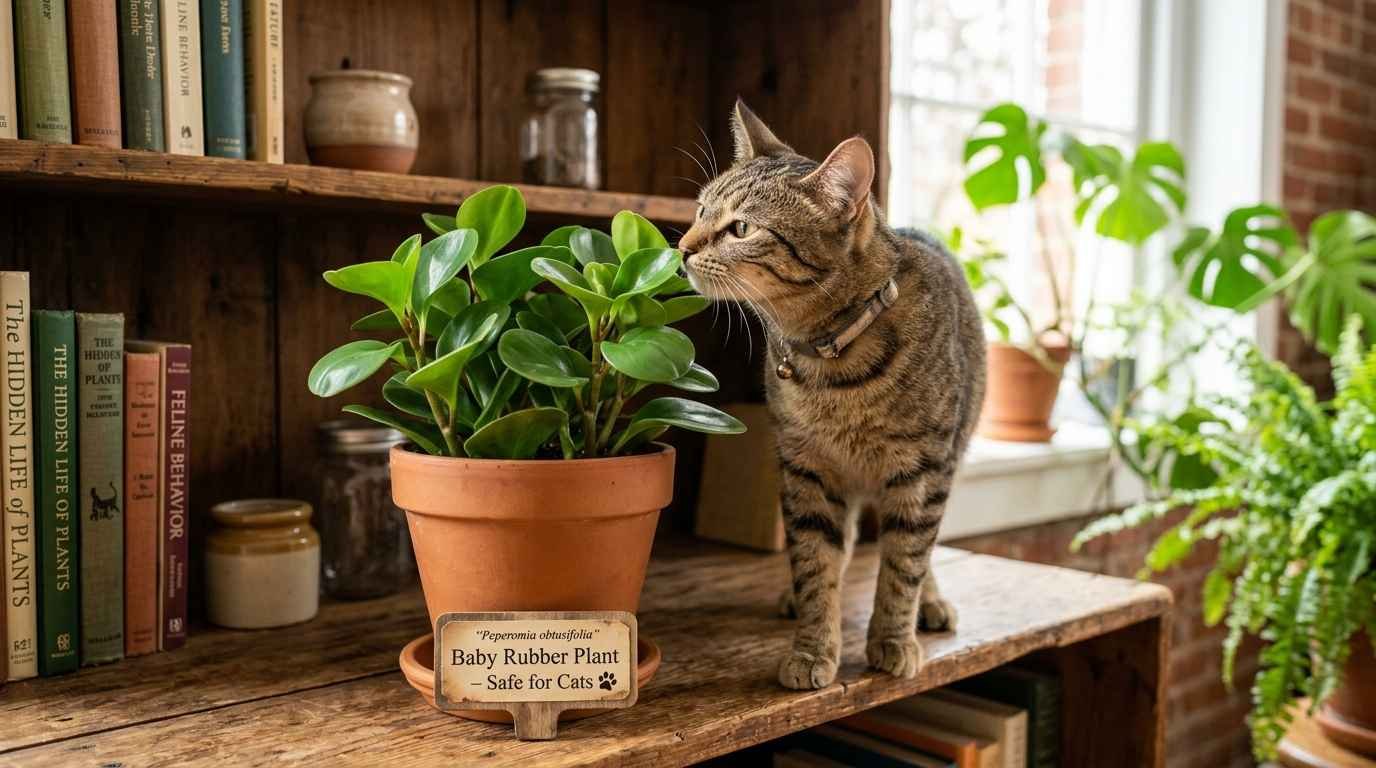
If a cat ingests part of an American rubber plant, the most likely outcome is no reaction or very mild digestive upset.
Because the leaves are tough and fibrous, the cat may vomit once or twice to expel the plant material—this is purely mechanical, not toxic, Some cats might experience drooling or a temporary lack of appetite, In very rare cases, if a cat eats a large quantity (like an entire leaf cluster), it could cause mild diarrhea, But there are no alkaloids, calcium oxalate crystals, or latex sap in Peperomia obtusifolia that would trigger poisoning, So searches for ‘baby rubber plant toxic to cats’ typically return all-clear results, especially when compared to other popular indoor greens.
Signs Your Cat May Have Eaten Too Much of the Plant
Even with a safe plant, overindulgence can lead to minor symptoms you should watch for after first exposure.
- Vomiting within 2–4 hours – Usually a single episode of clear or slightly green liquid as the stomach rejects the fibrous leaves.
- Excessive drooling or lip-smacking – A mild irritation from leaf texture, not a toxic reaction.
- Lethargy or hiding – Your cat may feel slightly unsettled after eating a large leaf piece.
- Soft stools or one bout of diarrhea – Typically resolves within 24 hours without intervention.
If symptoms persist beyond 24 hours, involve other behaviors (like pawing at the mouth), or include seizures or difficulty breathing, consult your vet immediately—though this is highly unlikely with Peperomia obtusifolia, Many pet forums for ‘baby rubber plant cats’ report zero issues, reinforcing its reputation as a top choice among cat safe houseplants.
What to Do If Your Cat Chews an American Rubber Plant
Stay calm if your cat nibbles on this plant—it’s non-toxic, but a few simple steps help ensure safety.
- Remove any remaining leaf pieces from your cat’s mouth gently to prevent choking or further swallowing.
- Offer fresh water to help your cat rinse its mouth and dilute any mild irritants from the fibrous leaf material.
- Monitor for 4–6 hours after ingestion, watching for vomiting, drooling, or unusual lethargy—most cats show no symptoms.
- Call your vet if symptoms persist beyond 24 hours or include severe distress, though this is extremely rare with Peperomia obtusifolia.
How to Keep Cats Away from Houseplants Safely
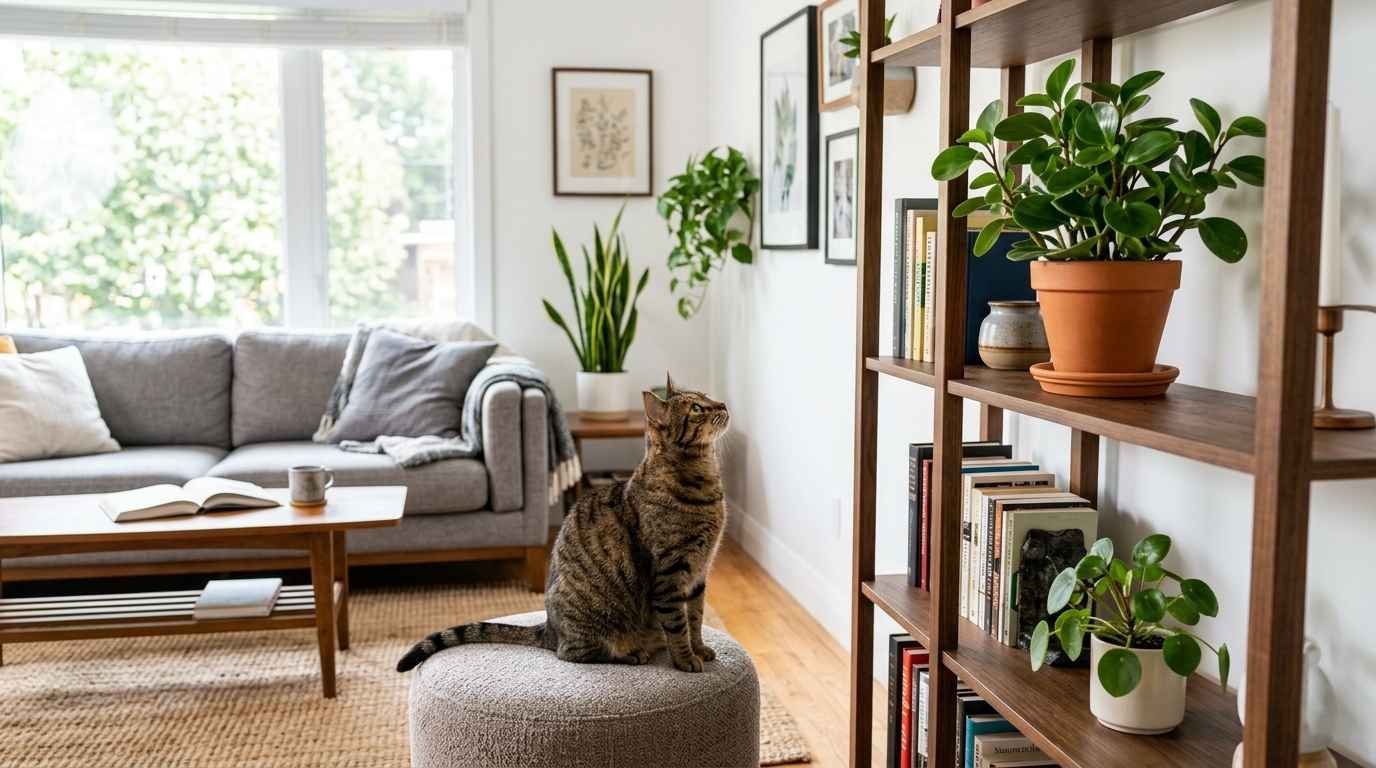
Preventing nibbling on your cat safe houseplants requires gentle training and smart placement, not harsh deterrents.
Use hanging planters or tall stands your cat cannot jump onto, Alternatively, sprinkle a small amount of citrus peels or diluted apple cider vinegar near the pot—cats dislike these smells, Praise your cat when it ignores the plant, and provide cat grass as a legal alternative, Remember, even with non-toxic varieties like ‘peperomia obtusifolia cats’ love, training keeps both your foliage and your furry friend happy.
Cat-Safe Alternatives to Toxic Rubber Plants
If you’re seeking greenery but worry about ‘rubber plant toxic to cats’ labels, swap to these verified non-toxic options.
| Plant Name | Scientific Name | Cat Safety Rating |
|---|---|---|
| Baby Rubber Plant | Peperomia obtusifolia | ✔ Safe (non-toxic) |
| Spider Plant | Chlorophytum comosum | ✔ Safe (non-toxic) |
| Boston Fern | Nephrolepis exaltata | ✔ Safe (non-toxic) |
| True Rubber Plant | Ficus elastica | ✘ Toxic to cats |
If you ask ‘is american rubber plant toxic to cats’, the answer is a clear no—making it the perfect starter swap, For more variety, consider a Parlor Palm or a Calathea; both are non-toxic and pet-friendly, The internet often mislabels Peperomia obtusifolia as a ‘baby rubber plant’, so always confirm the Latin name before purchase, This table ensures you know exactly which plants are safe and which to avoid.
Frequently Asked Questions About American Rubber Plant and Cats
This FAQ addresses common concerns about the american rubber plant cats topic using direct answers from veterinary experts.
Question : Is ‘peperomia obtusifolia safe for cats’ or should I worry?
Answer: Yes, it is completely safe for cats, The ASPCA lists Peperomia obtusifolia as non-toxic, Unlike the true rubber plant (Ficus elastica), it contains no irritating sap or toxic compounds, Even so, always discourage your cat from eating large amounts to avoid minor stomach upset.
Question : What does ‘baby rubber plant cats’ friendly mean for my home?
Answer: It means you can display this plant indoors without fear of poisoning, The term ‘baby rubber plant cats’ friendly refers to the Peperomia obtusifolia, which is the only ‘rubber plant’ that is safe for felines, All other rubber plants (Ficus species) are toxic.
Question : I heard ‘american rubber plant poisonous to cats’ is a myth—is that true?
Answer: Yes, that’s entirely correct, The phrase ‘american rubber plant poisonous to cats’ is a myth that likely arose from confusion with the Ficus elastica, Peperomia obtusifolia has no poisonous properties, Always rely on the scientific name to cut through the misinformation, For the most accurate information, search for ‘baby rubber plant toxic to cats’ and see that the results consistently show it is safe.
Understanding the specific safety concerns surrounding american rubber plant cats is crucial for any pet owner who wants to maintain a beautiful indoor garden without compromising their feline friend’s health, The scientific evidence clearly demonstrates that the Peperomia obtusifolia, commonly known as the American rubber plant, poses no toxic threat to cats, making it one of the safest houseplant options available for households with curious pets, By choosing this non-toxic variety over its more dangerous relatives like the Ficus elastica, owners can create a vibrant and stress-free environment where both their plants and their cats can thrive together harmoniously.
Ultimately, responsible pet ownership involves not only selecting safe plants but also understanding the real risks associated with common houseplant misconceptions that could lead to unnecessary veterinary visits, While the American rubber plant is considered cat-safe according to the ASPCA and other authoritative veterinary sources, it remains important to monitor your cat’s behavior around any plant to prevent digestive upset from ingesting large amounts of organic matter, Remember that individual cats may have different sensitivities, so always observe your pet closely when introducing any new greenery into your home and consult your veterinarian if you notice any concerning symptoms after ingestion.
By prioritizing verified information from reputable botanical and veterinary organizations, you can confidently enjoy the aesthetic benefits of the american rubber plant cats without worrying about toxic reactions or emergency situations.
This guide has provided the essential knowledge needed to make informed decisions about indoor plant selection, emphasizing that prevention through accurate identification is far easier than dealing with the consequences of a mistaken assumption, We hope this comprehensive overview empowers you to create a safer, greener living space where your beloved plants and pets can coexist peacefully for years to come.