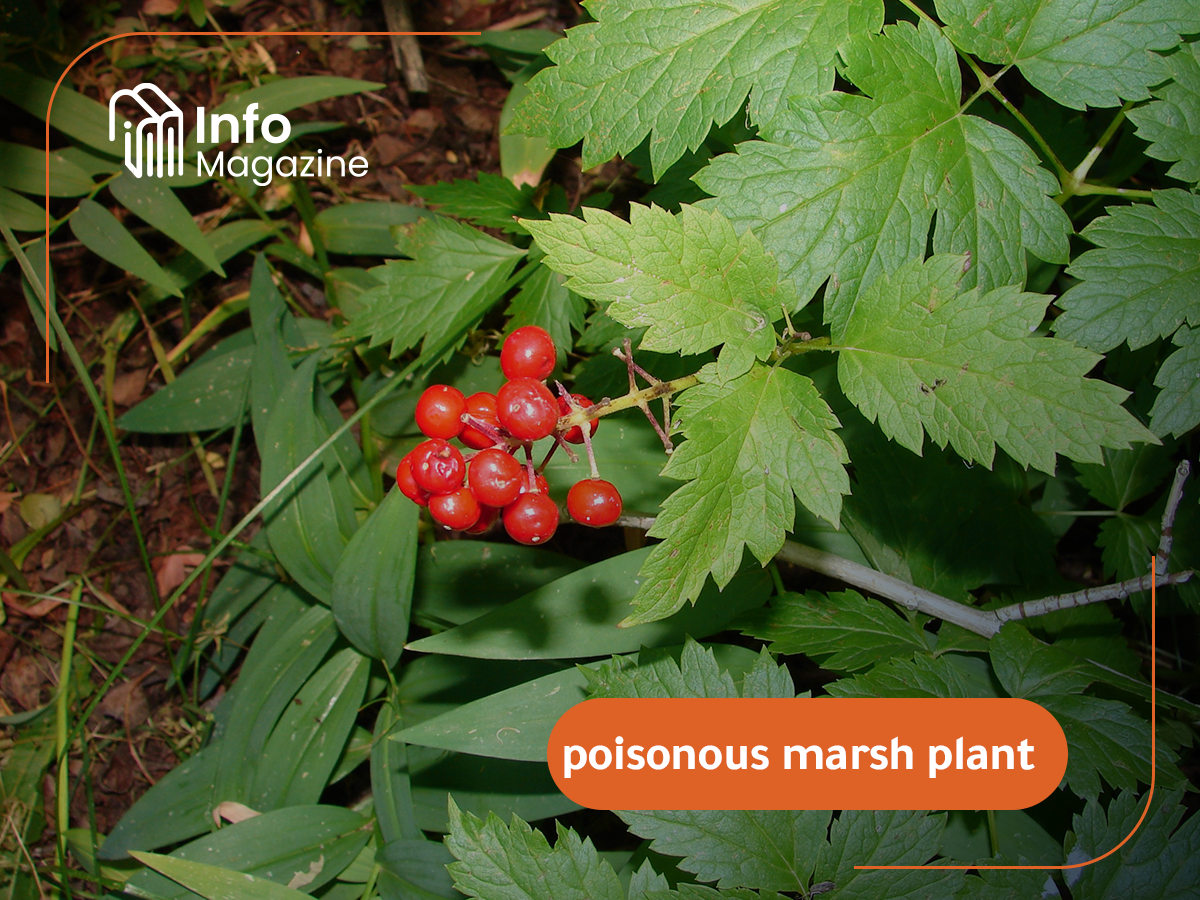
Encountering a visually deceptive poisonous marsh plant while hiking can transform a serene nature walk into a medical emergency if you unknowingly touch or ingest it, Understanding how to identify these hazardous species is absolutely essential for anyone who explores bogs, swamps, or wetland edges with any regularity,
This article provides a comprehensive overview of the most common dangerous species, their distinct physical characteristics, and critical safety protocols for avoiding accidental poisoning in these unique ecosystems.
What Is a Poisonous Marsh Plant?
A poisonous marsh plant is any species growing in wetlands that contains toxic compounds harmful to humans or animals, These plants often thrive in damp, marshy environments and can cause severe illness or death if ingested.
Understanding the characteristics of toxic marsh plants is the first step to staying safe, Many dangerous wetland plants mimic edible look-alikes, making identification critical for hikers, foragers, and outdoor enthusiasts.
Common Poisonous Plants Found in Marshes
Marshes host a variety of flora, but several species stand out for their toxicity, Below is a comparison of five notably poisonous plants in wetlands you should recognize.
| Plant Name | Toxic Compound | Key Symptom | Risk Level |
|---|---|---|---|
| Water Hemlock | Cicutoxin | Seizures, respiratory failure | Extreme |
| Poison Hemlock | Coniine | Paralysis, muscle weakness | High |
| Marsh Marigold | Protoanemonin | Burning mouth, nausea | Moderate |
| Water Dropwort | Oenanthotoxin | Convulsions, coma | Extreme |
| Skunk Cabbage | Calcium oxalate crystals | Throat swelling, pain | Moderate |
Water Hemlock: The Deadliest Marsh Plant
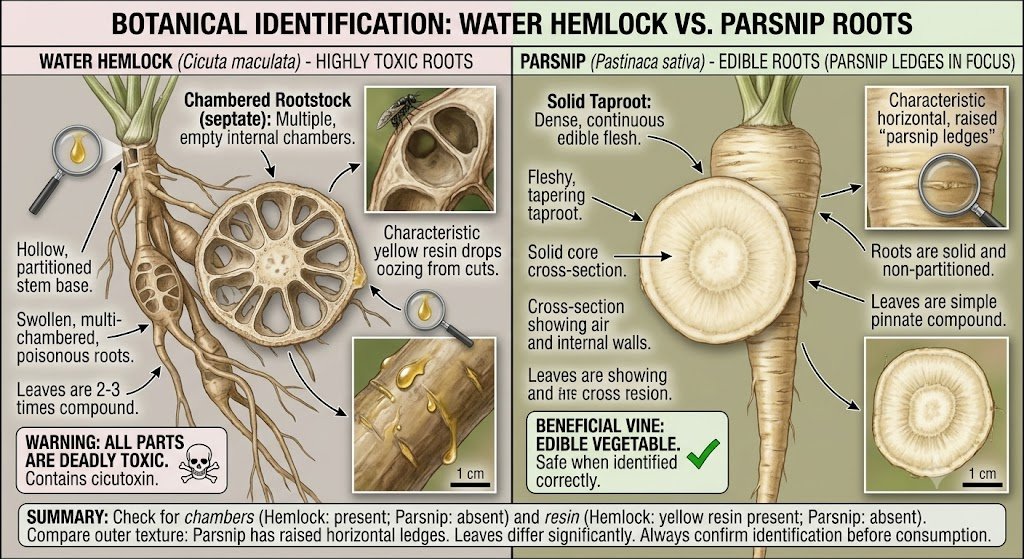
Often cited as the most lethal poisonous marsh plant in North America, water hemlock causes rapid seizures and death, This water hemlock marsh plant contains cicutoxin, a potent neurotoxin found in all parts.
Identifying this deadly marsh plant requires caution, Its white, umbrella-like flower clusters resemble Queen Anne’s lace, but water hemlock has a distinctively chambered root and purple-spotted stems.
Poisonous Wetland Plants to Avoid
Beyond water hemlock, several toxic swamp plants pose serious threats, Recognizing these poisonous aquatic plants can prevent accidental poisonings during wetland hikes.
- Poison Hemlock – Look for smooth, purple-spotted stems and fern-like leaves, All parts are toxic, causing respiratory paralysis.
- Marsh Marigold – This bright yellow flower thrives in wet soils, Touching it may cause skin blisters; ingestion irritates the digestive tract.
- Water Dropwort – Found in shallow water, this plant has hollow stems and thick roots, It is one of the most deadly marsh plants in Europe.
- Skunk Cabbage – Recognizable by its foul odor and large leaves, The sharp calcium oxalate crystals damage the mouth and throat.
- White Snakeroot – Grows in damp woods near marshes, It contains tremetol, which causes tremors and can be fatal if milk from poisoned animals is consumed.
How to Identify Toxic Marsh Plants
Accurate identification of dangerous wetland plants requires attention to specific features, Marsh plant toxicity often correlates with visual cues like stem shape, leaf arrangement, and flower structure.
– Question: What is the most reliable way to tell water hemlock from edible parsnip?
– Answer: Examine the root cross-section, Water hemlock has a chambered interior with yellow oily resin, while parsnip is solid and white, Also, water hemlock stems have purple blotches, whereas parsnip stems are uniformly green.
Symptoms of Poisonous Plant Exposure
Recognizing poisoning signs quickly can save a life after encountering a toxic marsh plant, Symptoms vary by species and toxin type.
- Neurological Symptoms: Seizures, tremors, muscle twitching, confusion, or loss of consciousness often indicate marsh plant toxicity from cicutoxin or oenanthotoxin.
- Gastrointestinal Distress: Nausea, vomiting, diarrhea, and severe abdominal pain appear within 30 minutes to 4 hours after ingestion of many poisonous plants in wetlands.
- Respiratory Issues: Difficulty breathing, shallow breaths, or respiratory paralysis signal serious poisoning from poisonous aquatic plants like poison hemlock.
- Skin and Mouth Reactions: Burning, swelling, blistering, or intense pain in the mouth, throat, or skin occur with plants containing calcium oxalate crystals or protoanemonin.
Risks to Humans, Pets, and Livestock
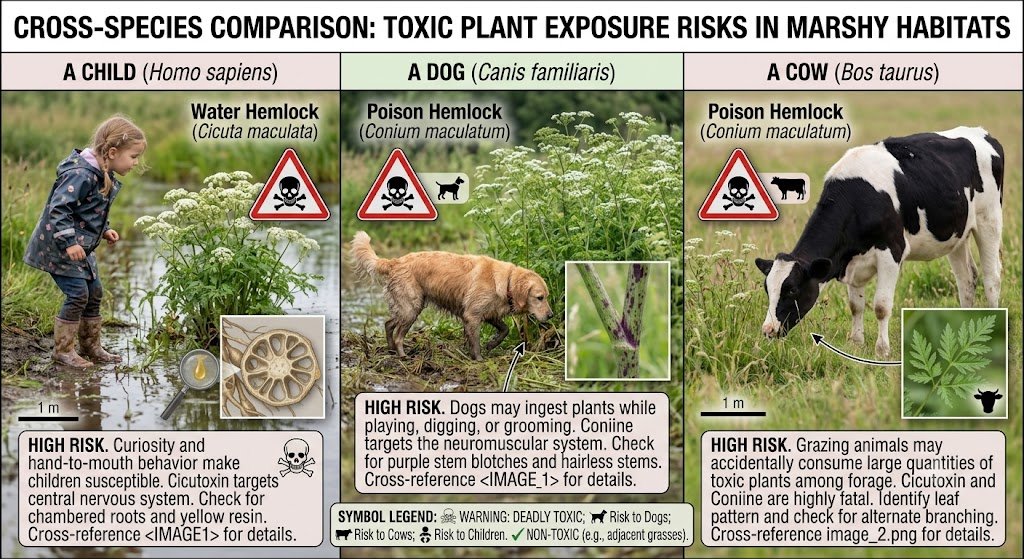
Wetland plant poisoning threatens not only people but also animals that forage or drink near marshes, The dangers differ by exposure type.
| Group | Primary Risk | Common Culprits | Severity |
|---|---|---|---|
| Human Adults | Ingestion, skin contact | Water hemlock, poison hemlock, marsh marigold | High to extreme |
| Children | Accidental eating, handling | Skunk cabbage, water dropwort, all toxic swamp plants | Extreme |
| Pets (dogs, cats) | Chewing plants, drinking tainted water | Water hemlock, poison hemlock, white snakeroot | High to fatal |
| Livestock (cattle, horses) | Grazing, contaminated hay | Water hemlock, poison hemlock, white snakeroot | Very high |
What to Do After Contact With a Toxic Marsh Plant
Immediate, correct action minimizes harm from dangerous wetland plants, Follow these steps based on the type of exposure.
- Skin Contact: Rinse the affected area with cool running water and mild soap for 15 minutes, Remove contaminated clothing carefully, Avoid scratching to prevent spreading toxins like urushiol or protoanemonin.
- Eye Exposure: Flush eyes with clean water for at least 15 minutes, holding eyelids open, Do not rub the eyes, Seek medical attention immediately.
- Ingestion: Do NOT induce vomiting unless instructed by a poison control center, Call 911 or your local poison helpline (1-800-222-1222 in the U.S.) right away, If possible, take a photo or sample of the plant for identification.
- Inhalation (rare): Move to fresh air immediately, If breathing difficulties develop, seek emergency care, Toxic marsh plants rarely cause airborne poisoning unless burned.
Frequently Asked Questions About Poisonous Marsh Plants
Common queries clarify lingering doubts about identifying and avoiding deadly marsh plants in the wild.
Understanding the identification of a poisonous marsh plant is absolutely essential for anyone who chooses to explore or work within wetland environments throughout North America and beyond, Recognizing the distinctive characteristics of species like water hemlock, poison sumac, and the invasive giant hogweed can literally mean the difference between a safe outdoor experience and a life-threatening medical emergency requiring immediate hospitalization, Every hiker, botanist, and land manager should commit these visual markers to memory and always adhere to the fundamental rule of never touching or ingesting any unfamiliar vegetation found near marshes, bogs, or swamps, The ecological role these toxic species play does not diminish the very real danger they pose to humans and animals who accidentally come into contact with their potent chemical defenses and skin-irritating sap, Educational preparedness combined with cautious respect for these dangerous organisms will significantly reduce the likelihood of accidental poisoning during wetland excursions and outdoor recreational activities each year, Ultimately, this identification guide serves as a critical tool for promoting safer interactions between people and the natural world while preserving the delicate balance of these unique aquatic ecosystems we must protect.