Understanding whether the bleeding heart flower poisonous properties pose a real threat to your family and pets is the first step toward responsible gardening. Many homeowners admire this elegant plant without realizing its toxic potential, which affects both humans and animals if ingested.
This article will detail the specific toxins present, explain the symptoms of poisoning in dogs and cats, and provide clear emergency actions to take following accidental exposure.
Is the Bleeding Heart Flower Poisonous?
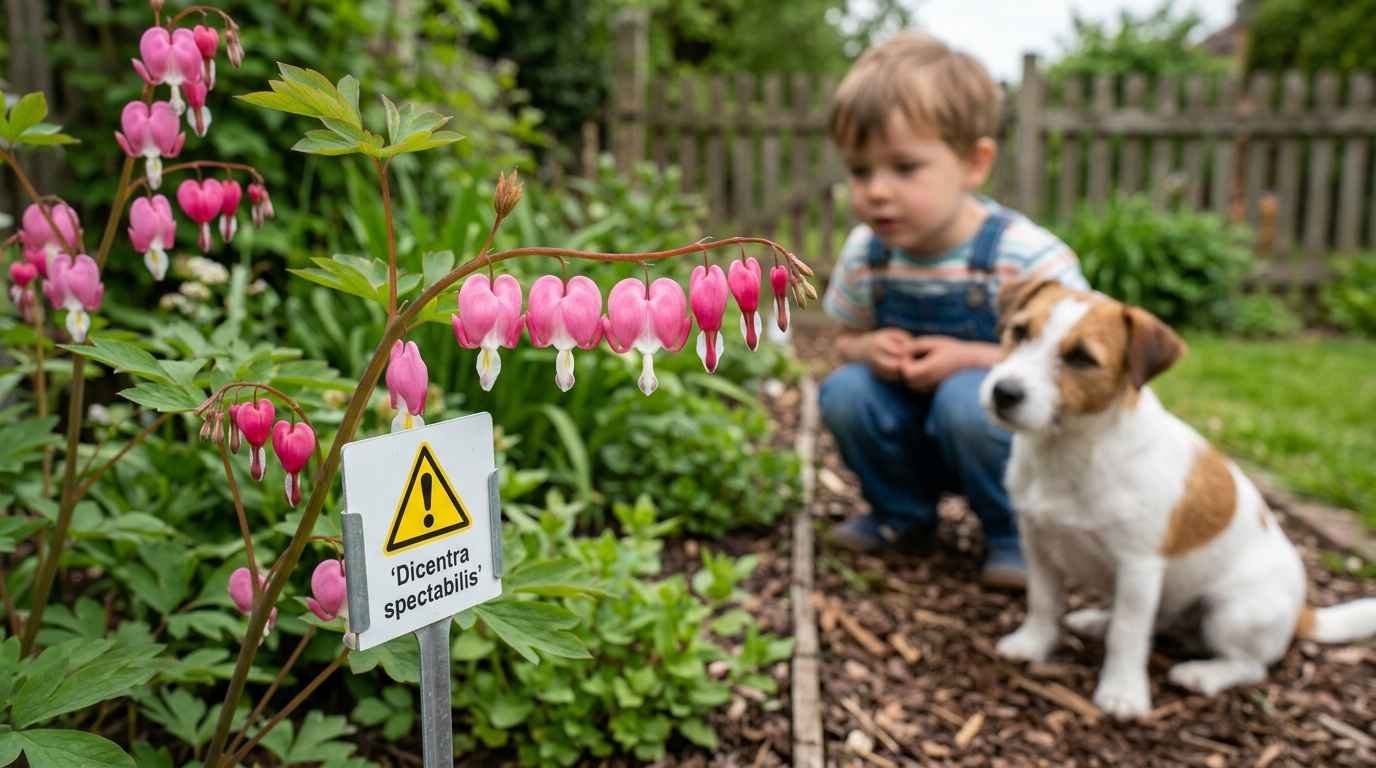
Bleeding heart flower poisonous concerns are valid—this plant contains toxic alkaloids that can harm humans and pets. Understanding the risks helps ensure safe gardening.
Is bleeding heart poisonous to touch? While skin contact is generally safe, ingestion poses real dangers. The plant belongs to the Dicentra genus and contains isoquinoline alkaloids, primarily protopine and corydine, which disrupt normal cellular function. These compounds cause digestive and neurological distress when consumed in sufficient quantities. Closely related to the fumitory family (Fumariaceae), bleeding heart toxicity is similar to that of other members like Dutchman’s breeches. This is not a plant to snack on—accidental ingestion, especially by curious children or pets, requires immediate attention. The severity of poisoning depends on the amount ingested and the individual’s size and sensitivity.
What Makes Bleeding Heart Toxic?
The toxicity stems from specific alkaloids that act as potent neurotoxins and gastrointestinal irritants. Dicentra toxicity is dose-dependent and varies seasonally.
- Alkaloid Production: Bleeding heart produces isoquinoline alkaloids—especially protopine and corydine—as a natural defense mechanism against herbivores. These compounds accumulate in highest concentrations during early spring growth and seed formation.
- Mechanism of Action: Once ingested, these alkaloids inhibit cellular respiration and disrupt neurotransmitter function. In the gut, they cause inflammation and cramps; in the nervous system, they may induce tremors, salivation, and ataxia.
- Metabolic Impact: The liver attempts to metabolize the toxins, but in larger amounts, it becomes overwhelmed, leading to systemic symptoms like weakness and incoordination. Unlike some cardiac glycosides, bleeding heart alkaloids do not directly affect the heart but can cause respiratory depression in severe cases.
Which Parts of the Plant Are Poisonous?
All parts of the bleeding heart—roots, stems, leaves, and flowers—contain toxic alkaloids. The roots and seeds are the most concentrated sources.
Bleeding heart toxicity affects every segment, but some parts pose higher risks. The underground rhizomes hold the highest alkaloid concentration as storage organs for the plant’s survival strategy. During wilting or drought stress, alkaloid levels can increase in aerial parts. Dried foliage from end-of-season cleanup remains toxic for months. Even small amounts—a single flower or leaf—can cause mild symptoms in sensitive individuals. Handling the plant does not cause poisoning, but sap contact may irritate sensitive skin. Always wash gloves and tools after pruning.
Symptoms of Bleeding Heart Poisoning
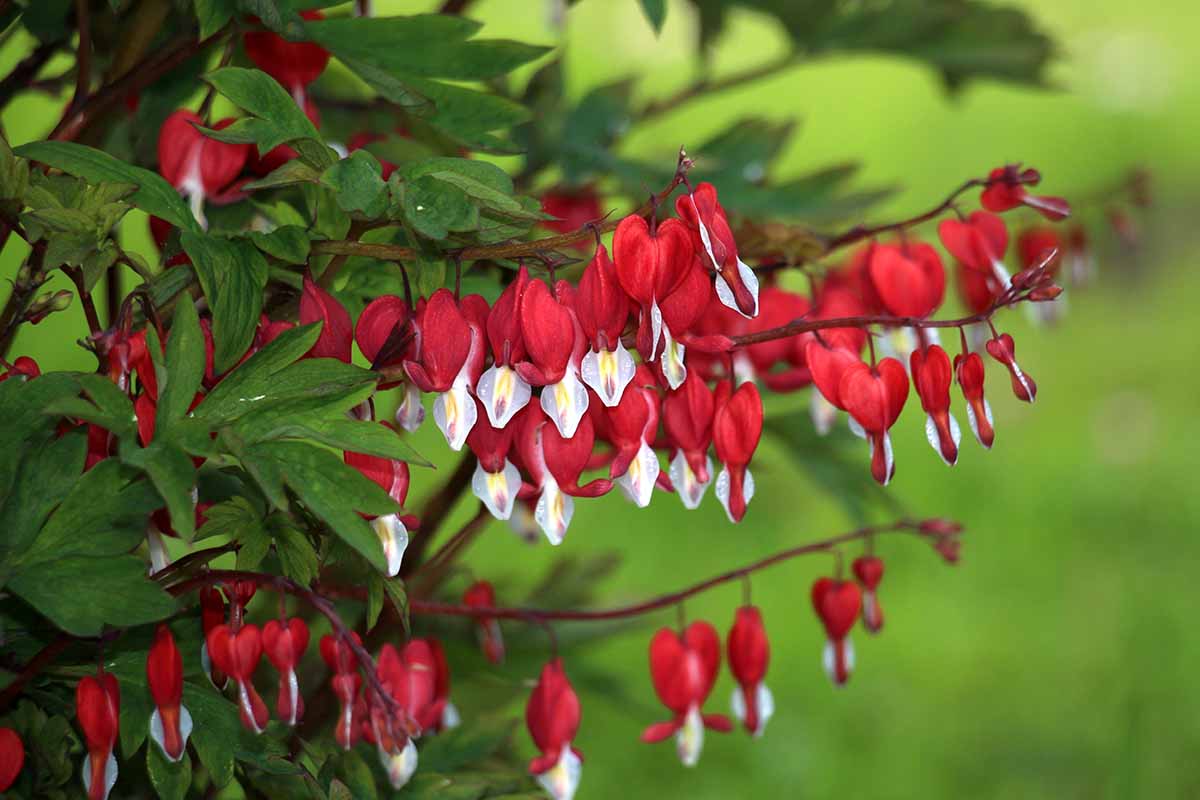
Bleeding heart poisoning symptoms range from mild drooling to severe tremors. Onset occurs within 30–90 minutes after ingestion; severity depends on quantity and body weight.
Is Bleeding Heart Toxic to Humans?
Yes, bleeding heart toxic to humans is confirmed—specific case studies document poisoning, particularly in young children who mistake flowers for sweet treats.
Curious toddlers exploring gardens are at highest risk. Symptoms mirror those in animals—nausea, vomiting, diarrhea, dizziness, and confusion. Adult poisoning is rarer but possible with deliberate self-harm or misidentification with edible plants. A clean Q&A clarifies common concerns:
– Question: Can touching the bleeding heart cause a rash?
– Answer: While rare, some individuals with sensitive skin may develop mild irritation or contact dermatitis from handling broken stems or sap. Wearing gloves during pruning is prudent, though the primary danger remains ingestion.
Bleeding heart poisoning in humans typically resolves with supportive care, but prolonged vomiting can lead to dehydration. Severe cases require hospitalization for intravenous fluids and symptom management. Reinforce garden education with children about never eating unknown plants.
Is Bleeding Heart Dangerous for Cats and Dogs?
Bleeding heart toxic to cats and dogs is a serious risk—ingestion can lead to vomiting, tremors, and incoordination. Pet owners must act quickly.
- Dogs: After ingesting any part of the plant, dogs typically exhibit drooling, pawing at the mouth, vomiting (often with plant fragments), and abdominal pain. Larger doses cause shaking, unsteady gait, and rarely seizures. Dogs attracted by scent or texture while digging are common victims.
- Cats: Felines are more secretive; symptoms may go unnoticed until severe. Look for hiding, loss of appetite, dilated pupils, excessive meowing, and tremors. Bleeding heart toxic to cats also includes respiratory depression in extreme cases—a veterinary emergency.
- Timeline: Symptoms begin within 30 minutes to 2 hours. Immediate veterinary care—including decontamination (activated charcoal if recent), IV fluids for hydration, and anti-nausea medication—yields the best outcome.
What to Do If Someone Eats Bleeding Heart
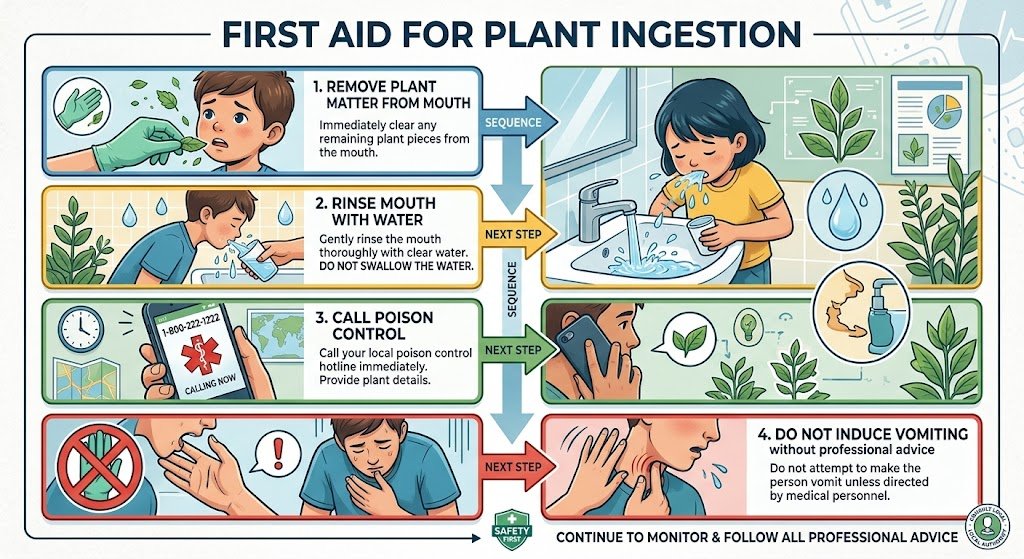
If a child or adult ingests any part, remain calm but act decisively. Bleeding heart poisoning requires prompt but careful response.
Dicentra toxicity in humans follows a predictable course. Start by checking the mouth for remaining plant material and gently rinsing with cool water. Do not induce vomiting unless a doctor or poison specialist explicitly instructs you—some alkaloids can cause further irritation on the way back up. Call Poison Control immediately (1-800-222-1222 in the US) and be ready to describe: the plant part eaten, estimated quantity, time of ingestion, and the person’s age and weight. For mild symptoms like slight nausea or loose stool, home monitoring with oral fluids may suffice. However, if the person experiences persistent vomiting, confusion, tremors, or difficulty breathing—seek emergency room care. Hospital treatment includes IV fluids, antiemetics, and sedation for neurological symptoms. Full recovery within 12–24 hours is typical with support.
How to Handle Bleeding Heart Safely
Safe handling of bleeding heart plant toxicity focuses on prevention—wearing gloves, careful placement, and immediate cleanup of fallen petals.
| Safety Task | Best Practice | Why It Matters |
|---|---|---|
| Pruning & cleanup | Wear gloves, use sharp shears, and dispose of trimmings in sealed bags. | Prevents sap contact with skin and keeps toxic debris away from pets and children. |
| Garden placement | Plant in raised beds or fenced-off areas away from play zones and pet runs. | Reduces the chance of accidental ingestion by curious hands or mouths. |
| Fallen flowers & leaves | Rake up debris daily during blooming season; compost only in closed bins. | Dried plant parts remain toxic for months and are easily overlooked. |
| Storage of bulbs/roots | Keep division rhizomes in clearly labeled, sealed containers out of reach. | Prevents accidental mixing with edible bulbs like onions or garlic. |
Bleeding heart toxic to humans and pets alike, so proactive measures are your best defense. Teach children to admire the delicate pink hearts without picking them—use a gentle rule like ‘Look, don’t touch, only photos!’ For pets, supervise outdoor time and consider planting a pet-safe barrier like marigolds around bleeding heart beds. After any garden work, wash tools and gloves separately from household dishes. Is bleeding heart poisonous when dried? Yes—dry stems retain alkaloids, so never use trimmings as mulch for vegetable gardens.
Frequently Asked Questions About Bleeding Heart Toxicity
Final answers to common worries clarify bleeding heart flower poisonous concerns and help readers stay safe with confidence.
– Question: Can rinsing the mouth after eating a bleeding heart leaf prevent poisoning?
– Answer: Rinsing reduces further absorption but does not eliminate toxins already swallowed. Always follow up with a call to Poison Control or a vet. Even a tiny leaf contains enough alkaloid to cause mild symptoms in small children or tiny pets.
Understanding that the bleeding heart flower poisonous nature poses a genuine threat to both curious pets and unaware gardeners is the cornerstone of responsible plant ownership in any landscape. Every gardener must recognize that all parts of this elegant perennial contain isoquinoline alkaloids which can cause skin irritation in humans and severe gastrointestinal distress, tremors, or even respiratory failure in dogs and cats if ingested.
Implementing immediate safety measures such as wearing gloves during pruning, fencing off garden beds, and teaching children never to touch or eat any plant material can drastically reduce the risk of accidental poisoning in your home environment.
Consulting with a veterinarian or poison control center at the very first sign of exposure remains the most critical action you can take to protect your family and furry companions from the hidden dangers of this beautiful but hazardous plant.