Understanding rosary pea poison is absolutely critical because the seeds of the Abrus precatorius plant contain abrin, a potent toxin that is far more dangerous than ricin and can be fatal even in microscopic amounts, If you suspect exposure to this deadly substance, immediate medical intervention is the only viable course of action, as there is no specific antidote available for abrin poisoning,
This comprehensive article will explore the toxicology of rosary pea seeds, the symptoms of poisoning, first aid measures, and the most reliable prevention practices for households and outdoor environments.
What Is Rosary Pea Poison?
Rosary pea poison comes from the seeds of Abrus precatorius, a tropical vine, Ingestion causes severe toxicity.
Why Is the Rosary Pea Plant So Toxic?
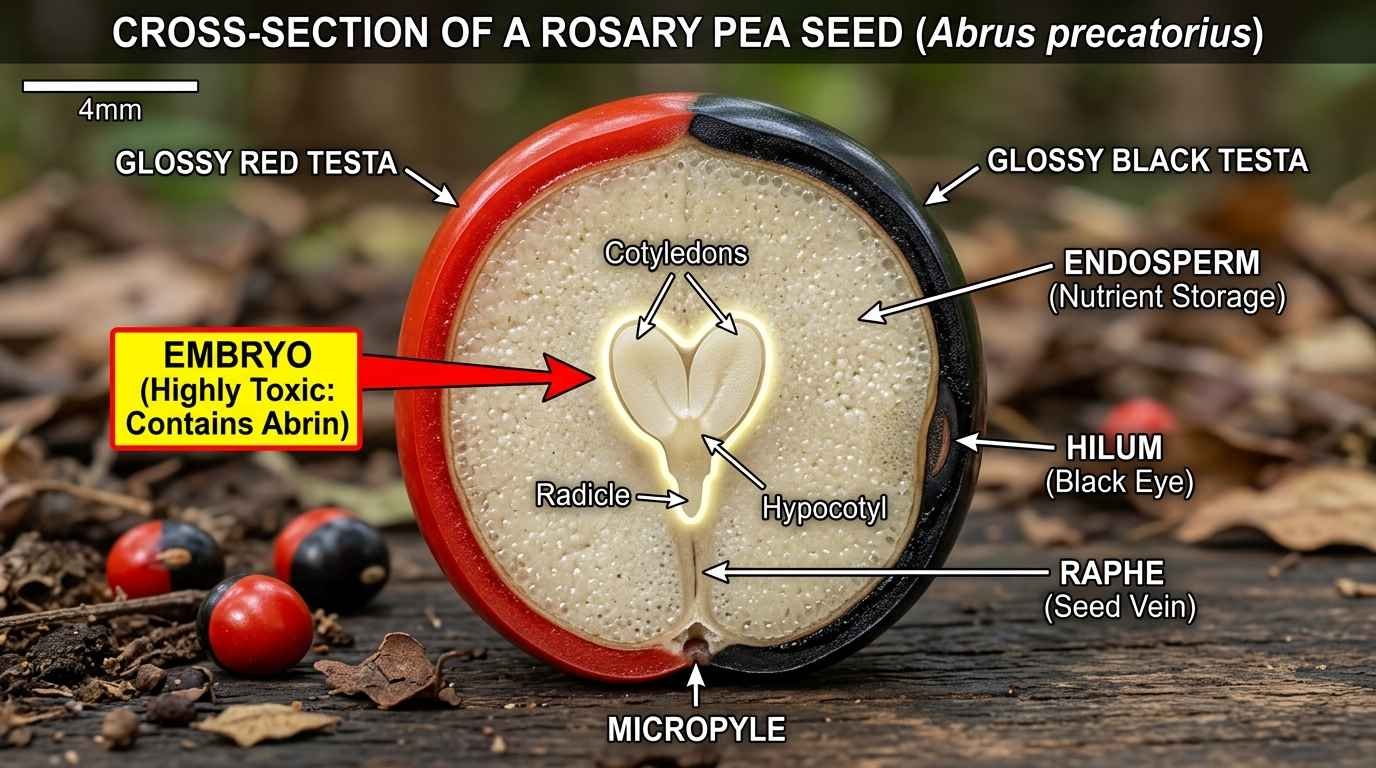
The plant harbors abrin, a potent toxin that disrupts protein synthesis in cells, Even minute doses can be fatal.
- Step 1 – Seed Shell Integrity: The hard red and black shell protects the toxin, Swallowing the seed whole often passes harmlessly.
- Step 2 – Chewing or Crushing: Mechanical damage releases abrin into the mouth and digestive tract.
- Step 3 – Cellular Entry: Abrin binds to cell receptors, enters ribosomes, and halts protein production.
- Step 4 – Organ Failure: Without vital proteins, organs such as the liver, kidneys, and intestines shut down rapidly.
What Makes Rosary Pea Seeds Poisonous?
The seeds contain abrin, a toxalbumin that is stored in the seed coat and cotyledon, Abrin is a highly stable glycoprotein.
How Rosary Pea Poisoning Occurs
Poisoning happens when the seed is chewed, pierced, or swallowed with broken shell, Inhalation of dust is rare but dangerous.
| Route of Exposure | Severity Level | Common Scenario |
|---|---|---|
| Oral (chewed seed) | Extreme (often fatal) | Children mistaking seeds for candy |
| Skin puncture | Moderate to severe | Crafting jewelry with sharp needles |
| Inhalation of dust | High (rapid onset) | Grinding seeds for traditional medicine |
Symptoms of Rosary Pea Poisoning
Symptoms include nausea, vomiting, bloody diarrhea, abdominal pain, and dehydration, Severe cases lead to multi-organ failure.
How Long Does It Take for Symptoms to Appear?
Symptoms typically begin within 4 to 8 hours after ingestion, Delayed onset up to 24 hours has been reported.
- Question: Can symptoms appear within minutes after exposure to rosary pea poisonous seeds?
- Answer: No, abrin poisoning has a latent period, Early signs like nausea and cramping usually start after 4 hours, However, if the seed was inhaled in dust form, respiratory distress may occur within 2–3 hours, Always monitor for 24 hours after any known or suspected abrus precatorius poisoning.
Rosary Pea Poisoning in Children and Pets
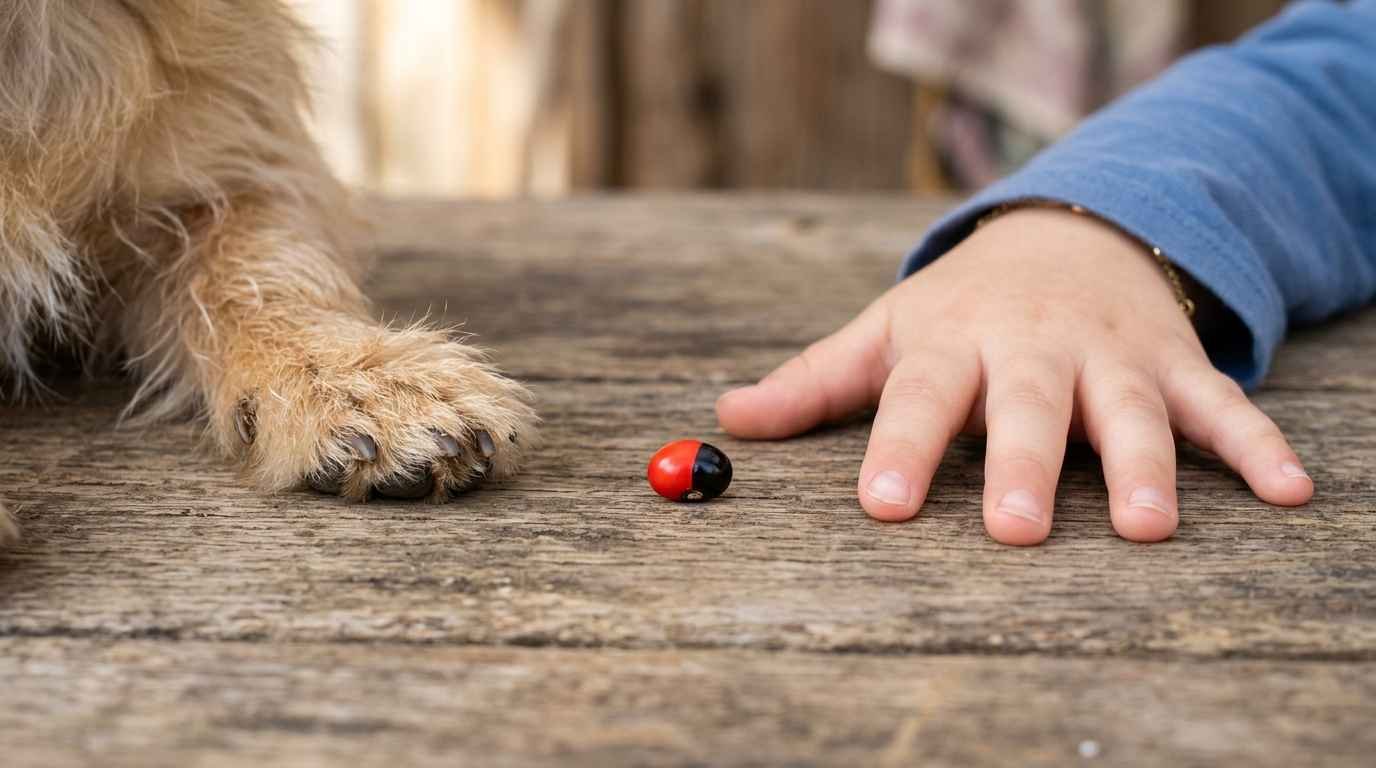
Children and pets are at the highest risk of accidental ingestion due to their curious nature and small body weight.
- Watch for oral exploration – Children may mistake the shiny seeds for candy or beads; pets chew them out of curiosity.
- Identify early signs – In children: drooling, crying, vomiting, and stomach pain, In pets: excessive drooling, pawing at the mouth, vomiting, and lethargy.
- Seek emergency care immediately – Do not wait for labored breathing or organ failure, Call poison control and a veterinarian or pediatrician without delay.
What to Do After Exposure to Rosary Pea Seeds
Immediate, calm action after exposure to rosary pea poisonous seeds can make the difference between life and death.
- Step 1 – Remove the source – Take any remaining seeds from the person or pet and seal them in a plastic bag for identification by healthcare providers.
- Step 2 – Do not induce vomiting – Vomiting can cause repeat exposure of the toxin to the esophagus and mouth, worsening damage.
- Step 3 – Call emergency services – In the US, dial 911 and poison control at 1-800-222-1222, Provide details: ingestion time, seed condition (chewed or intact), and symptoms.
- Step 4 – Bring seed samples – Take the remaining seeds and any vomit to the hospital for analysis, This helps confirm rosary pea toxicity and guides treatment.
How Rosary Pea Poisoning Is Diagnosed and Treated
Diagnosis relies on patient history and symptom progression, while treatment is primarily supportive with no specific antidote for abrin.
| Diagnostic Step | Purpose | Typical Finding |
|---|---|---|
| Blood test (ELISA) | Detects abrin in serum | Positive result confirms abrus precatorius poisoning |
| Liver and kidney function | Assesses organ damage | Elevated AST, ALT, creatinine |
| Stool or vomit analysis | Identifies seed fragments | Visible red/black seed pieces |
How to Prevent Rosary Pea Poisoning
Prevention centers on education, safe disposal of the plant, and vigilant supervision of children and pets.
- Educate children early – Teach them: “Red and black seeds are dangerous—never put them in your mouth or touch them.” Repeat this rule during outdoor play.
- Secure the environment – Inspect gardens, parks, and yards for the vine, Uproot small plants and dispose of all parts in sealed double bags, Report large infestations to local horticultural authorities.
- Avoid imported seed jewelry – Many rosary pea seeds are used in decorative necklaces and bracelets from Southeast Asia, Do not buy or keep such items; if found, treat them as hazardous waste.
- Pet-proofing – Keep pets away from any exotic ornamental plants, If you suspect your dog or cat has eaten a seed, contact your vet immediately even before symptoms appear.
Frequently Asked Questions About Rosary Pea Poison
Here are common questions regarding abrin poisoning and rosary pea toxicity, answered clearly to guide your safety knowledge.
- Question: Can you die from touching a rosary pea seed with intact skin?
- Answer: No, abrin does not penetrate intact skin, However, if you have cuts, scrapes, or if the seed is crushed and juice enters a wound, absorption can occur, Always wash hands thoroughly after any contact.
- Question: Is a single rosary pea seed always fatal?
- Answer: Not if swallowed whole, The hard seed coat protects the toxin, But if chewed, one seed contains enough abrin to kill an adult, The toxicity depends on the seed being damaged.
- Question: How long does it take for rosary pea poisoning symptoms to resolve?
- Answer: With prompt medical care, gastrointestinal symptoms can improve in 2–4 days, However, liver and kidney damage may take weeks to recover fully, Severe cases can result in permanent organ impairment or death.
Understanding the lethal threat posed by rosary pea poison is absolutely critical for anyone living in or traveling to regions where the Abrus precatorius plant is prevalent, as even a single well-chewed seed can prove fatal to an adult human, Prompt recognition of symptoms like severe gastrointestinal distress, neurological changes, and cardiovascular collapse followed by immediate aggressive medical intervention significantly improves the chances of survival after exposure to this potent toxic lectin, Comprehensive prevention strategies, including public education to discourage the use of these seeds in jewelry and relentless childhood safety measures, remain our most effective tools against the devastating effects of rosary pea poison, By combining rigorous public awareness campaigns with clear, evidence-based treatment protocols for health professionals, we can collectively reduce the incidence and mortality associated with this dangerous plant toxin.