Many plant lovers wonder if the chinese evergreen poisonous nature poses a genuine threat to their household, and the direct answer is yes, it contains calcium oxalate crystals that can cause severe irritation and swelling, This popular houseplant, scientifically known as Aglaonema, is indeed toxic to both cats and dogs, leading to symptoms like drooling, pawing at the mouth, and vomiting when ingested, Understanding these risks is crucial for creating a safe environment for your furry companions while still enjoying your greenery,
This comprehensive guide will cover toxicity levels, specific symptoms to watch for, essential first aid steps, and practical tips for managing this plant safely in a pet-friendly home.
Is Chinese Evergreen Poisonous?
Yes, the Chinese evergreen plant contains toxic compounds that can cause irritation and discomfort in pets and humans.
What Makes Chinese Evergreen Toxic?
The toxicity stems from calcium oxalate crystals — microscopic needles that cause immediate pain and swelling upon contact.
- Cell damage: When tissue is chewed, the needle-sharp crystals embed in the mucous membranes.
- Inflammatory response: The body reacts with rapid swelling, redness, and pain to protect against further injury.
- Enzymatic release: Damaged cells release additional irritants that amplify the burning sensation.
- Systemic effects: In severe cases, excessive drooling, vomiting, or difficulty swallowing can occur.
Is Chinese Evergreen Poisonous to Humans?
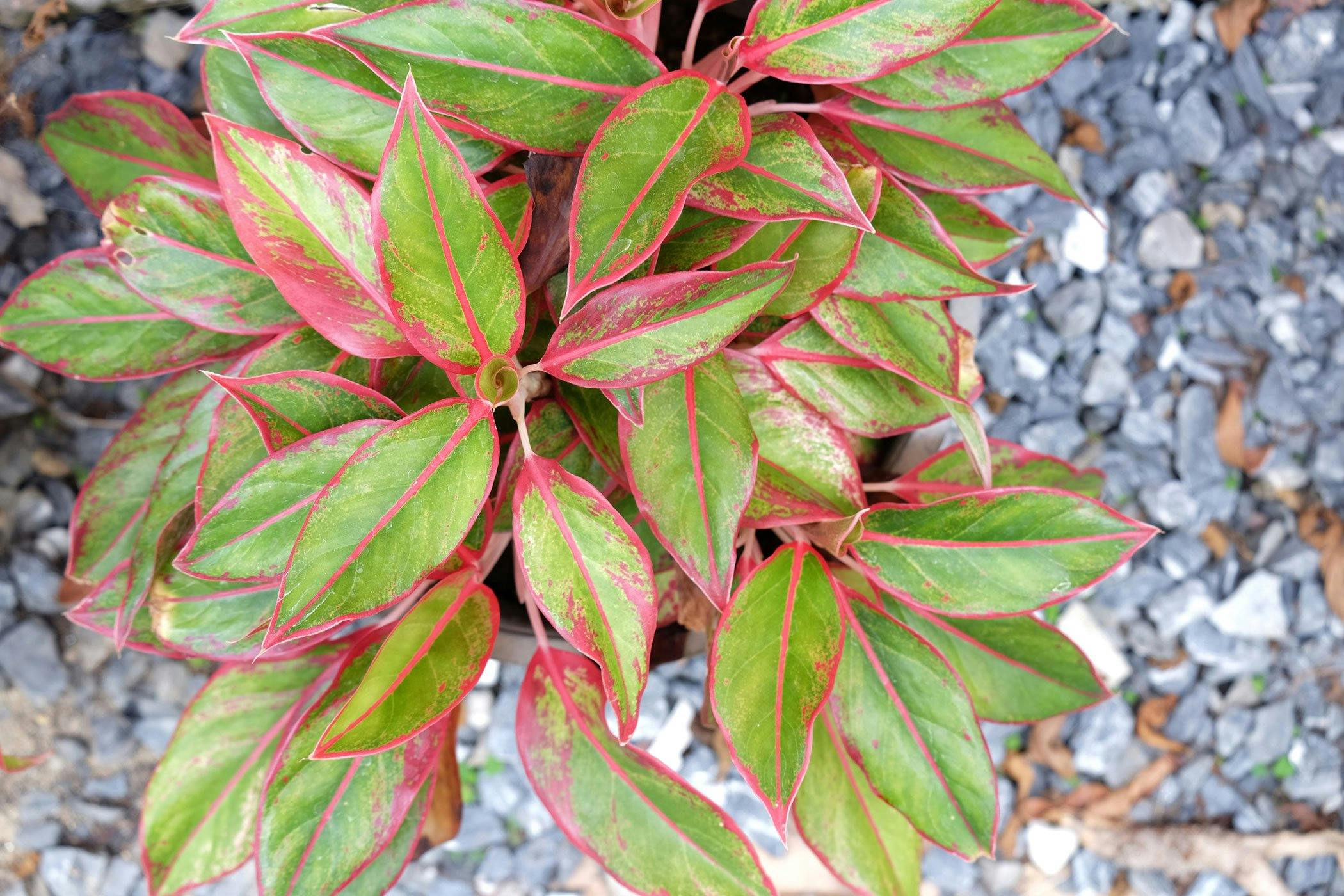
Yes, Aglaonema toxicity in humans typically results in mild irritation rather than life-threatening harm.
Is Chinese Evergreen Toxic to Cats and Dogs?
Both cats and dogs can suffer from chinese evergreen poisoning if they chew on any part of the plant.
Below is a comparison of how the two species typically react to chinese evergreen toxic exposure:
| Aspect | Cats | Dogs |
|---|---|---|
| Common reaction | Excessive drooling, pawing at mouth | Vomiting, loss of appetite |
| Symptom onset | Within 15–30 minutes | Within 30–60 minutes |
| Severity risk | Moderate; can cause throat swelling | Mild to moderate; rarely severe |
Symptoms of Chinese Evergreen Poisoning
Signs of chinese evergreen poisoning symptoms appear quickly after ingestion and vary based on the amount consumed.
- Oral irritation: Intense burning of the mouth, tongue, and lips is the hallmark sign, Pets may drool excessively or refuse to eat.
- Swelling: The tongue, throat, and face can swell, potentially causing difficulty breathing in severe cases.
- Digestive upset: Vomiting, gagging, and diarrhea are common, especially in dogs.
- Behavioral changes: Cats often paw at their faces, hide, or become lethargic after exposure.
If you observe any of these chinese evergreen plant toxicity symptoms, seek veterinary care immediately, Timely treatment usually leads to a full recovery.
What Happens If You Touch or Eat Chinese Evergreen?

Contact with the sap causes immediate skin irritation, while ingestion triggers intense pain and swelling.
- Touch: Redness, itching, or a mild rash appears within minutes due to the crystals penetrating the skin, Wash the area with soap and water to remove any remaining sap.
- Eating: The crystals embed in the lining of the mouth and throat, causing burning, swelling, and drooling, In pets, pawing at the mouth is a common reaction.
- Eye exposure: If sap gets into the eyes, rinse with lukewarm water for 15 minutes, Symptoms include redness, tearing, and sensitivity to light.
What to Do After Exposure to Chinese Evergreen
Act quickly but stay calm—most exposures are mild and manageable with simple first aid.
Step-by-step for pets: First, remove any leftover plant pieces from the mouth, Rinse the mouth with a syringe (no needle) filled with water or milk, Then, offer a small amount of yogurt or cream cheese to coat the tongue and throat, Finally, call the vet or pet poison helpline—do not wait for symptoms to worsen, The ASPCA Animal Poison Control Center number is (888) 426-4435.
How Chinese Evergreen Poisoning Is Treated
Veterinary treatment typically focuses on symptom relief rather than an antidote, as toxicity is usually mild.
| Symptom | Treatment Approach |
|---|---|
| Drooling & oral pain | Cold compresses, pain relievers (gestalt), and oral rinses |
| Vomiting | Antiemetics (e.g., maropitant) to stop nausea |
| Throat swelling | Antihistamines or steroids to reduce inflammation |
| Skin rash | Topical corticosteroid creams and cool baths |
Most pets recover fully within 24–48 hours with supportive care, Hospitalization is rarely needed unless severe swelling blocks the airway—a very rare outcome with chinese evergreen poisoning symptoms.
How to Handle Chinese Evergreen Safely at Home

Prevention is simple and effective—follow these five measures to reduce any risk of toxicity.
- Place high and away: Keep Aglaonema on tall shelves, hanging baskets, or in rooms where pets cannot jump or climb, Cats are agile, so consider a closed terrarium or glass cabinet.
- Trim with gloves: Always wear gardening gloves when pruning or repotting, Wash tools and hands immediately after to avoid transferring calcium oxalate crystals.
- Monitor for fallen leaves: Check the floor and pot base daily, A single dropped leaf can attract curious pets.
- Teach kids to look & not touch: Explain in simple terms that the plant is ‘spicy’ and not for play, Supervise young children around the plant.
- Use a barrier mat: Place a natural deterrent mat (e.g., citrus-scented or rough texture) around the pot base to discourage chewing.
Frequently Asked Questions About Chinese Evergreen Toxicity
Here are the most common questions pet owners ask about Aglaonema safety.
Question: Can Chinese Evergreen kill a cat or dog?
Answer: Death is extremely rare, Severe chinese evergreen toxic reactions are usually limited to intense oral pain and swelling, not organ failure, With prompt veterinary care, recovery is almost always complete, However, small kittens or toy breeds may be at higher risk due to body mass—always treat exposure seriously.
Question: Is the sap dangerous to touch for humans?
Answer: Yes, aglaonema poisonous sap can cause a rash or contact dermatitis in sensitive individuals, Wear gloves when handling, If you get sap on skin, wash with soap and water immediately, The irritation is temporary but uncomfortable.
Question: What if my pet only licked the leaves?
Answer: Even a lick can transfer enough calcium oxalate crystals to cause mouth burning, Watch for drooling, lip smacking, or face rubbing, Provide milk or yogurt to soothe the mouth, and call your vet for further advice, Licking alone rarely requires emergency treatment.
Question: Can I have a Chinese evergreen if I have allergies?
Answer: The plant itself does not produce airborne allergens, but contact with the sap can trigger skin irritation in people with sensitive skin, If you have a known latex allergy, be cautious: aglaonema toxicity may cross-react in rare cases, Use gloves and wash hands thoroughly.
Understanding that the chinese evergreen poisonous plant contains insoluble calcium oxalate crystals is absolutely critical for any pet owner who keeps this popular houseplant within their home, When a curious cat or dog chews on the leaves or stems, these microscopic crystals are released and immediately penetrate the soft tissues of the mouth, throat, and gastrointestinal tract.
This mechanical damage triggers intense pain, profuse drooling, swelling of the tongue and lips, vomiting, and difficulty swallowing, requiring prompt veterinary attention to manage symptoms and prevent secondary complications, While the chinese evergreen poisonous nature rarely leads to life-threatening systemic toxicity.
the acute discomfort and risk of airway obstruction from significant swelling demand that all pet owners either remove the plant or place it well out of reach of their furry companions, Prevention through education and strategic plant placement remains the most effective strategy because even a single nibble can result in a distressing emergency visit to the animal clinic, By recognizing the risks and taking proactive measures, pet owners can continue to enjoy beautiful indoor greenery without compromising the health and safety of their beloved pets.