Finding cat safe holiday plants can feel like an impossible task when every festive arrangement seems to hide a toxic threat to your curious feline companion, but you can absolutely celebrate the season without compromising your pet’s health, This guide focuses exclusively on greenery that poses no risk to cats, covering everything from the classic Christmas cactus to vibrant friendship plants.
You will learn which common holiday plants are safe, how to identify the most poisonous varieties you must avoid, and simple tips to keep your cat and your decorations coexisting peacefully throughout the entire holiday season—because a joyful home means both you and your pet can breathe easy.
What Are Cat-Safe Holiday Plants?
These are festive greens and flowers verified by veterinary toxicology databases as non-toxic to felines.
Why Holiday Plants Can Be a Risk for Cats
Many traditional seasonal greens contain insoluble calcium oxalates or other irritants that cause oral pain, vomiting, or organ damage.
- Ingestion Risk: Cats chew leaves out of curiosity, especially tender new growth.
- Hidden Toxins: Some plants (like lilies) are deadly even in small pollen amounts.
- Decorations: Tinsel, lights, and plant stakes add choking or obstruction hazards.
Best Holiday Plants That Are Safe for Cats
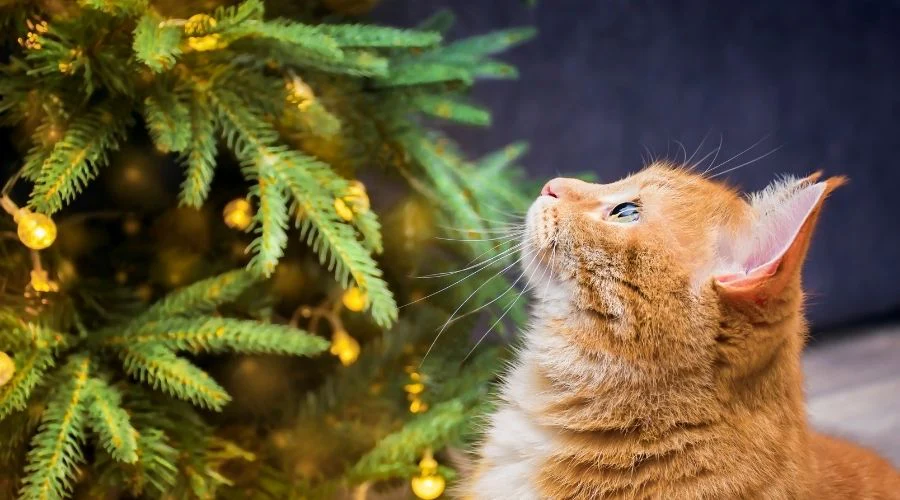
These verified non toxic holiday plants for cats let you decorate with confidence this season.
| Plant Name | Scientific Name | Why Safe for Cats |
|---|---|---|
| Christmas Cactus | Schlumbergera truncata | Non-toxic; no oxalates or alkaloids |
| Cast Iron Plant | Aspidistra elatior | Foliage is completely benign |
| Boston Fern | Nephrolepis exaltata | Mild and safe if nibbled |
| Hypoestes (Polka Dot Plant) | Hypoestes phyllostachya | Fully non-toxic to felines |
Pet-Friendly Winter Flowers and Greenery
These winter plants safe for cats bring color without risk, perfect for mantels and tabletops.
Consider adding cat friendly holiday plants like Spider Plants, Prayer Plants, and African Violets to your display, These tolerate low indoor light and stay safe if your cat grazes, For cut flowers, roses and sunflowers are excellent holiday flowers safe for cats — just remove thorns and leaves that might cause minor stomach upset.
Popular Holiday Plants That Are Toxic to Cats
Understanding which varieties are plants toxic to cats during holidays helps you avoid emergency vet visits.
– Question: Are poinsettias deadly for cats?
– Answer: Poinsettias are overhyped — they cause mild drooling or vomiting but are rarely fatal, True dangers are lilies (all parts, even pollen) and mistletoe (can cause collapse).
How to Decorate With Plants in a Cat-Friendly Home
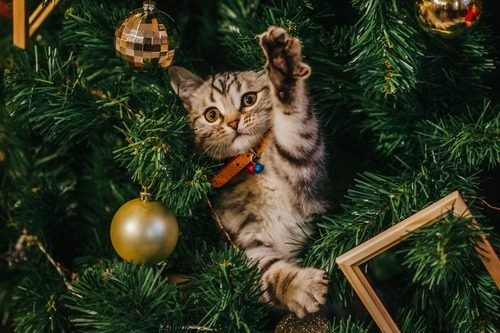
Place all seasonal plants safe for cats on high shelves or in terrariums, and always supervise new introductions.
Signs Your Cat May Have Eaten a Toxic Plant
Watch for early symptoms like drooling, pawing at the mouth, or sudden vomiting.
- Oral Irritation: Excessive drooling, lip smacking, or pawing at the face often indicate oxalate exposure.
- Gastrointestinal Upset: Repeated vomiting, diarrhea, or refusal to eat for more than 4 hours.
- Behavioral Changes: Lethargy, hiding, or unusual agitation after interacting with holiday plants safe for cats or suspect decorations.
- Respiratory Signs: Labored breathing or coughing — rare but urgent if seen.
What to Do If Your Cat Eats a Holiday Plant
Stay calm, remove any plant material from your cat’s mouth, and call your vet immediately.
| Symptom Severity | Immediate Action | Vet Timing |
|---|---|---|
| Mild (drooling, one vomit) | Call vet, monitor at home | Same day if symptoms persist |
| Moderate (repeated vomiting, lethargy) | Remove all plants, offer water | Within 1–2 hours |
| Severe (seizures, collapse, trouble breathing) | Rush to emergency clinic | Immediately |
Tips for Keeping Holiday Decorations Safe for Cats
Combine cat friendly holiday plants with smart placement to avoid accidents.
- Elevate Everything: Place seasonal plants safe for cats on high shelves, inside glass terrariums, or in hanging macrame planters.
- Secure Wires: Tape down light cords under rugs or use cord covers, Cats chew wires and risk electric shock.
- Avoid Flocking: Artificial flocking on trees or wreaths may contain chemicals that irritate a cat’s digestive tract.
- Use Cat Scents: Deter curious kitties by placing orange peels or apple cider vinegar near planters — cats dislike these smells naturally.
Safe Alternatives to Toxic Seasonal Plants
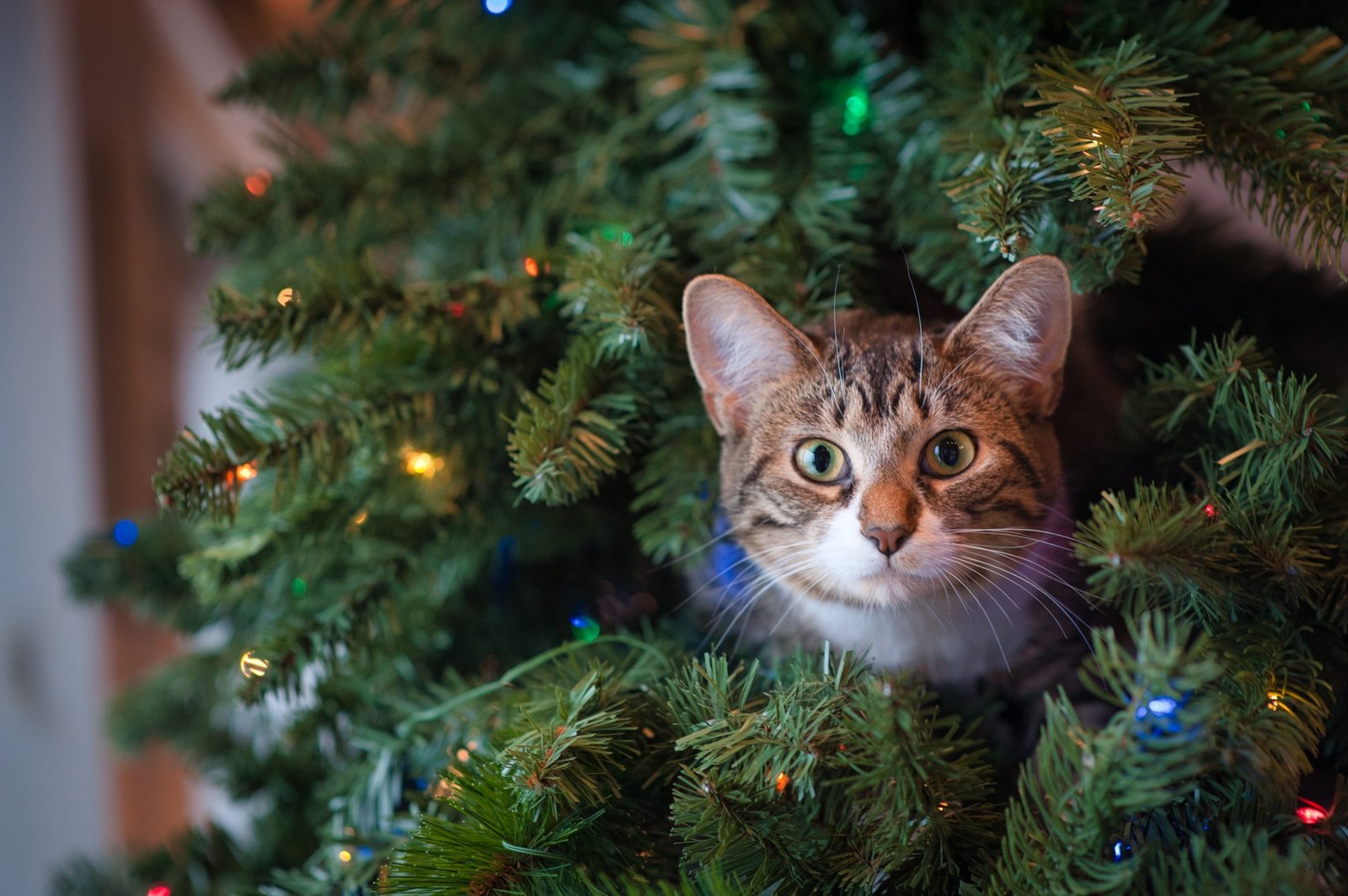
Swap risky traditional greens for these verified pet friendly holiday decorations that mimic holiday style safely.
Choose: Christmas Cactus — same red hue, zero oxalates
Choose: Hypoestes (Polka Dot Plant) — festive spots, completely safe
Choose: Artificial berry garlands — zero ingestion risk
Choose: African Violet — purple blooms, no bulb toxins
For cut stems, use winter plants safe for cats like eucalyptus baby blue (minor caution: can cause mild GI upset in large amounts) or opt for dried lavender bundles, Always check the scientific name before buying — many store labels are misleading.
Frequently Asked Questions About Cat-Safe Holiday Plants
Quick answers to common concerns about holiday flowers safe for cats and general plant safety.
– Question: Can plants toxic to cats during holidays be safely kept in a closed room?
– Answer: Yes, if the door stays closed and your cat cannot access the room unsupervised, However, pollen (especially from lilies) can travel on clothing or air currents, For complete safety, avoid lilies entirely and use early and late holiday plants safe for cats in all shared spaces.
When you select cat safe holiday plants for your festive decorations, you protect your feline friend from potential toxicity while maintaining a beautiful seasonal atmosphere throughout your home, Understanding which common holiday greenery poses risks to cats allows you to make informed choices that prioritize your pet’s health and safety without sacrificing the joyful spirit of the holidays, By choosing verified non-toxic alternatives like spider plants or wax flowers, you can enjoy a vibrant holiday display that both you and your cat can safely appreciate together, Establishing a routine of checking each plant against reliable sources before bringing it indoors ensures your holiday season remains happy and free from veterinary emergencies.