Boron toxicity in plants represents a critical yet often overlooked challenge for growers, as excess boron in the soil or irrigation water can rapidly stunt root development and cause severe leaf burn, This condition typically arises in arid regions with high-boron water sources or over-application of boron-containing fertilizers, leading to compromised crop yields and economic loss.
Understanding the precise symptoms and underlying causes of this toxicity is essential for any serious gardener or agricultural professional aiming to protect their plants from irreversible damage,
In this comprehensive guide, I will explain the primary visual indicators of boron toxicity, detail effective soil remediation techniques, and provide practical advice on selecting boron-tolerant plant varieties for long-term management.
What Is Boron Toxicity in Plants?
Boron toxicity in plants occurs when excess boron in soil disrupts cell metabolism, leading to stunted growth and leaf necrosis.
Boron is a micronutrient essential for cell wall formation, but even a slight imbalance—especially from high boron levels in soil—can quickly turn toxic.
What Causes Boron Toxicity?
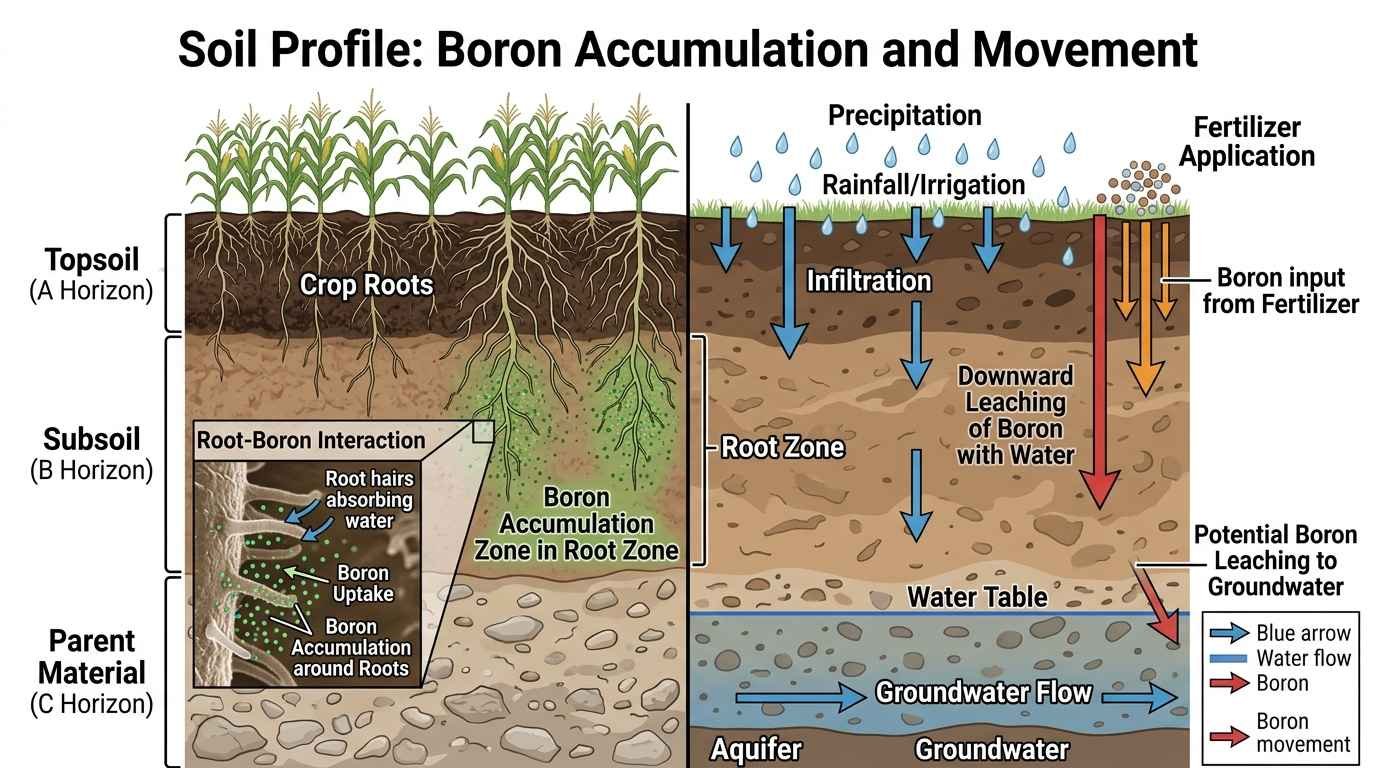
This section uses a numbered list to detail the primary causes of boron overload, from natural sources to human actions.
- Natural Soil Parent Material: Soils derived from marine sediments or volcanic ash often contain naturally high boron levels in soil, especially in arid regions.
- Over-Fertilization: Excessive application of boron-rich fertilizers or composts (e.g., borax, boric acid) is a common cause of boron toxicity in crops.
- Irrigation Water Quality: Using groundwater with elevated boron concentrations can steadily contribute to boron toxicity soil management challenges.
- Poor Drainage & Leaching: In heavy clay soils with low rainfall, boron accumulates because it is not leached away, worsening boron toxicity leaf symptoms.
How Excess Boron Affects Plant Growth
This comparison table clarifies how different growth stages are impacted by boron toxicity in plants, linking symptom severity to concentration levels.
| Growth Stage | Primary Effect | Critical Boron Level (ppm) |
|---|---|---|
| Seedling | Root stunting & chlorosis | > 3 ppm |
| Vegetative | Leaf margin burn & necrosis | > 5 ppm |
| Reproductive | Poor fruit set & flower abortion | > 7 ppm |
Excess boron in soil interferes with sugar transport and enzyme activity, causing cell death and reducing photosynthesis.
Common Symptoms of Boron Toxicity in Plants
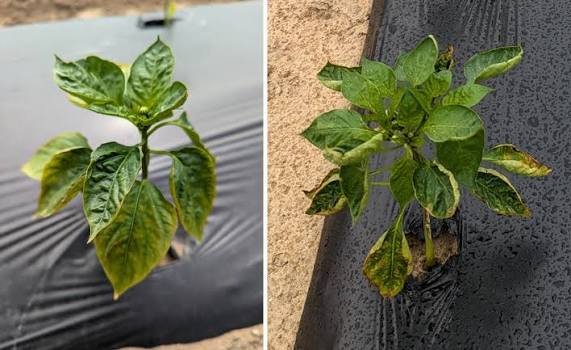
This section uses a Q&A format to clearly answer the most frequent question about how to fix boron toxicity by recognizing its visible signs.
Question: How can I identify boron toxicity plant symptoms in the field?
Answer: Look for yellowing or browning at the leaf tips and margins of older leaves, often described as ‘burned’ edges, This spreads inward as toxicity worsens, In severe cases, symptoms include premature leaf drop, stunted growth, and reduced root branching, Early detection of boron toxicity leaf symptoms is critical for successful boron toxicity treatment.
Which Plants Are Most Sensitive to Boron?
Boron sensitivity varies widely among species, and knowing which crops are most vulnerable helps in planning how to fix boron toxicity before planting.
Common boron toxicity in crops reports list the following as highly sensitive: apple, pear, peach, plum, and most legumes, Moderately sensitive species include broccoli, cauliflower, and tomato, Always cross-check your crop’s tolerance threshold against your soil test results to avoid misdiagnosis.
How to Diagnose Boron Toxicity
Step-by-step guide to accurately confirm boron toxicity in plants using lab and field methods.
- Collect Leaf Samples: Take older leaves showing boron toxicity leaf symptoms (marginal burn), Wash them with distilled water to remove surface residues.
- Send for Tissue Analysis: Request a boron-specific test, A leaf boron concentration > 100 ppm (dry weight) confirms toxicity.
- Perform a Saturated Paste Soil Test: Extract soil solution and measure soluble boron, Readings above 4 ppm indicate high boron levels in soil.
- Cross-Reference with Crop Sensitivity: Compare your crop’s tolerance threshold (e.g., 1–2 ppm for avocados) against your soil and tissue data.
- Check for Spatial Patterns: Boron toxicity in crops often appears in low-lying areas where water pools and boron accumulates.
Boron Toxicity vs Other Plant Nutrient Problems
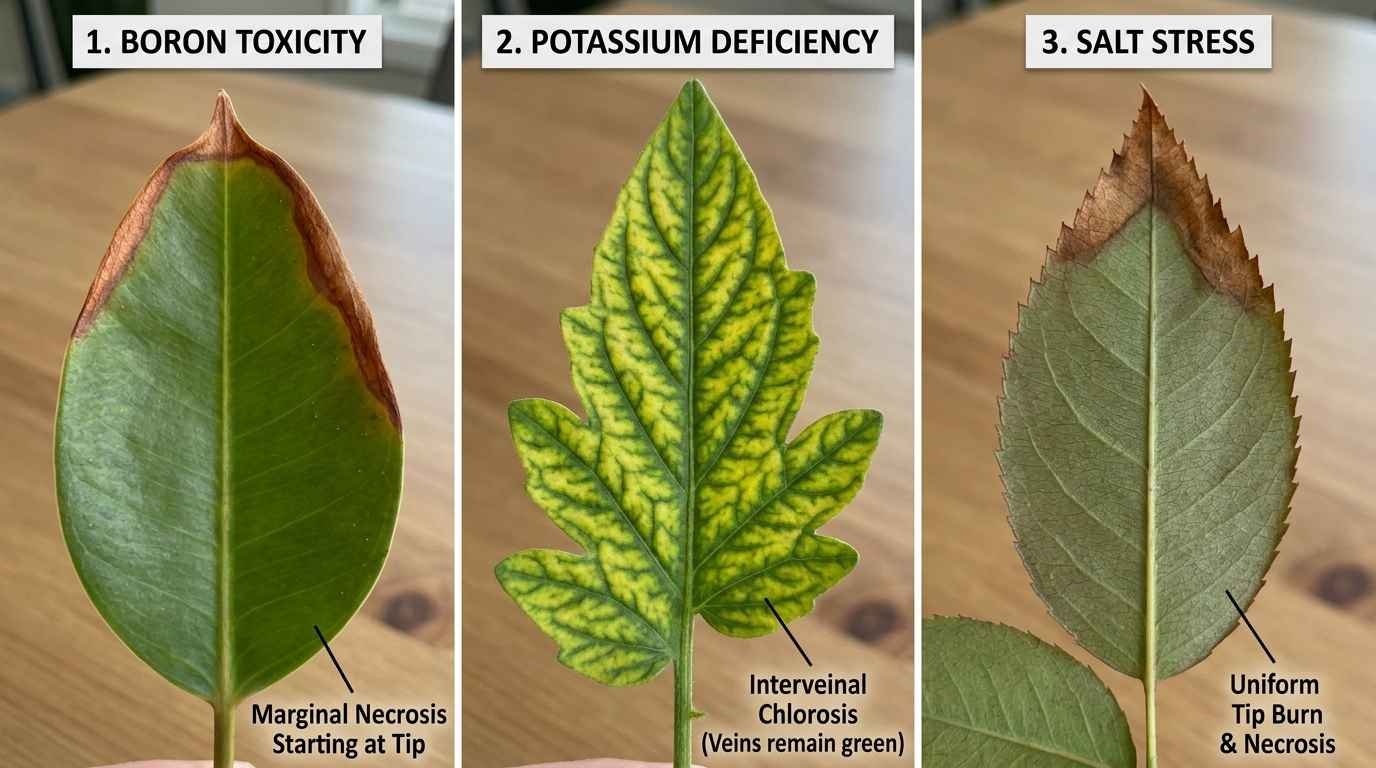
Accurate diagnosis requires distinguishing boron excess from similar-looking deficiencies or salt damage.
Key Differentiators: Boron toxicity in plants shows yellow-to-brown necrosis at leaf margins, progressing inward, and affects only older leaves first, Salt stress burns all leaf edges uniformly, Potassium deficiency causes interveinal yellowing, not margin death.
How to Fix Boron Toxicity in Plants
Correct high boron levels with physical, chemical, and biological methods for immediate and long-term relief.
| Method | How It Works | Boron Reduction Timeline |
|---|---|---|
| Leaching | Flood soil with low-boron water to wash excess below root zone | 2–4 weeks |
| Gypsum Application | Calcium binds with boron and improves soil structure | 1–2 growing seasons |
| Organic Matter Addition | Compost or manure chelates boron, reducing plant uptake | 3–6 months |
| Plant Boron-Excluder Crops | Grow species that naturally resist boron uptake | Immediate for new planting |
For how to fix boron toxicity in severe cases, consider replacing topsoil in small beds or using reverse-osmosis irrigation water if your source is contaminated.
How to Prevent Boron Buildup in Soil
Long-term boron toxicity soil management relies on proactive monitoring and careful irrigation and fertilizer practices.
Test your irrigation water annually—many wells in arid regions contain 2–3 ppm boron, Switch to rainwater or surface water if levels exceed 1 ppm, Apply boron-containing fertilizers only when a soil test confirms deficiency; never use them as a routine amendment, Improve soil drainage by adding organic matter or installing subsurface drains, as poor drainage accelerates excess boron in soil accumulation.
Mulching with wood chips or straw also helps—boron binds to organic matter, reducing its bioavailability, For boron toxicity soil management on a farm scale, rotate with deep-rooted crops like alfalfa that extract boron from lower soil layers.
Frequently Asked Questions About Boron Toxicity in Plants
Quick answers to common questions about diagnosing and treating boron toxicity in plants.
Question: Can boron toxicity be reversed once symptoms appear?
Answer: Partially—leached boron stops further leaf damage, but existing necrosis is permanent, New growth will be healthy if high boron levels in soil are corrected quickly, Focus on how to fix boron toxicity before new leaves expand.
Question: Are there any natural indicators of excess boron in soil?
Answer: Yes—weeds like saltbush and puncturevine thrive in high-boron soils, Their presence signals boron toxicity in crops nearby, You can also test your plant sap with a handheld B-meter for a quick field check of boron toxicity plant symptoms.
Question: Does boron toxicity affect seed germination?
Answer: Yes, especially in sensitive species, Boron toxicity symptoms in plants at the seed stage include delayed germination, weak radicals, and cotyledon burn, Always leach soil before planting if a pre-plant test shows > 3 ppm boron.
Understanding the complexities of boron toxicity in plants is essential for every grower aiming to maintain a healthy and productive soil ecosystem for their crops, Because this micronutrient imbalance often mimics other stress symptoms like drought or salinity, relying solely on visual cues can lead to misdiagnosis and ineffective management strategies that waste time and resources.
By consistently applying the five proven strategies outlined in this article, from precise soil testing and careful irrigation management to selecting tolerant plant varieties and adjusting organic matter inputs, farmers can systematically mitigate the negative impacts of excessive boron on their fields.
Ultimately, mastering the diagnosis and management of boron toxicity in plants not only safeguards crop yields but also promotes long-term soil health and sustainable agricultural practices for generations to come, This proactive approach empowers growers to transform a potentially devastating nutrient disorder into a manageable condition that keeps production goals firmly on track without compromising environmental stewardship.