Understanding black walnut toxicity is crucial for any gardener who dreams of a lush, thriving landscape, yet this powerful natural phenomenon quietly devastates sensitive plants through a potent chemical called juglone,
The hidden danger lurks in the tree’s roots, leaves, and nuts, creating a toxic zone that can persist for years even after the tree is removed, which means you must learn to identify and manage this issue proactively,
To safeguard your garden, this article will explain how juglone works, identify common susceptible and resistant species, and outline actionable strategies for planting and soil management.
What Is Black Walnut Toxicity?
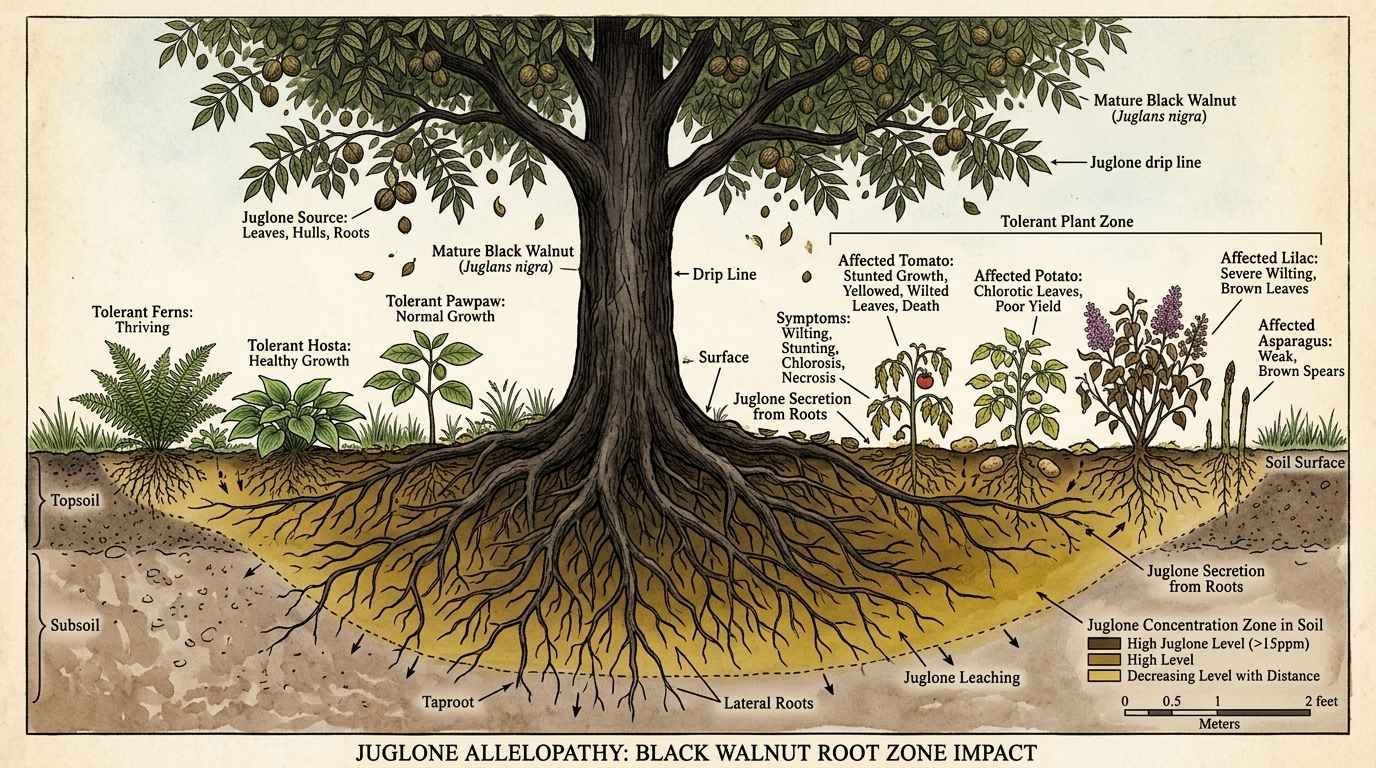
Black walnut toxicity is a chemical reaction caused by juglone, a natural compound released by walnut trees, It can harm or kill sensitive plants, animals, and humans nearby.
Why Is Black Walnut Toxic?
The toxicity stems from juglone, a compound in tree roots, leaves, and hulls that disrupts cellular respiration in sensitive species.
- Juglone Production: Roots release juglone directly into the soil, while leaves and hulls leach it upon decay.
- Soil Persistence: Juglone remains active for months, especially in heavy clay soils with poor drainage.
- Plant Reaction: Sensitive plants show stunted growth, yellowing leaves, and vascular browning within days of exposure.
- Animal Metabolism: Ingesting hulls or wood shavings causes juglone to enter the bloodstream, leading to black walnut poisoning symptoms.
Who Is Most at Risk From Black Walnut Exposure?
Those most vulnerable include gardeners with walnut trees, pets using walnut wood bedding, and horses near contaminated soil.
Black Walnut Toxicity in Humans
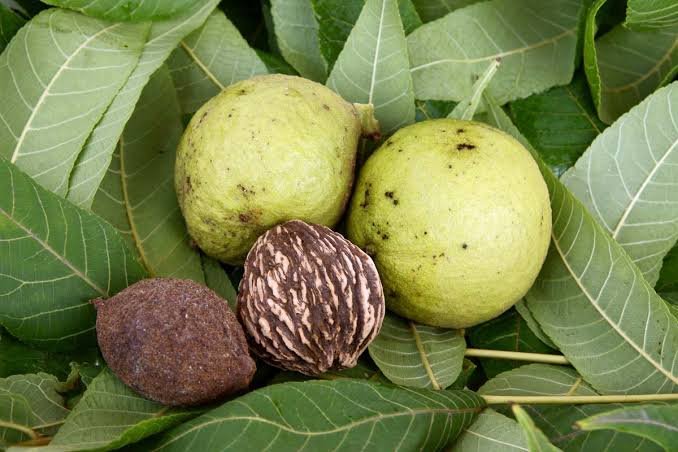
Black walnut toxic to humans primarily through skin contact with hulls, causing staining and irritation, Ingestion may cause nausea.
- Symptoms: Skin contact leads to dermatitis, blisters, and brown stains, Ingesting hulls can trigger vomiting and diarrhea.
- Treatment: Wash skin with soap and water immediately, For ingestion, drink water and seek medical advice if symptoms persist.
- Prevention: Wear gloves when handling black walnut hulls and avoid burning the wood, as smoke can cause respiratory irritation.
Black Walnut Toxicity in Dogs and Cats
Black walnut toxicity in dogs and cats occurs when they chew on hulls or walk on juglone-contaminated bedding, Symptoms appear within hours.
| Species | Common Exposure | Key Symptoms | First Aid |
|---|---|---|---|
| Dog | Chewing hulls, walking on walnut shavings | Vomiting, drooling, tremors | Induce vomiting only if directed by vet |
| Cat | Licking contaminated paws, eating fallen hulls | Lethargy, weakness, dark urine | Rinse mouth and paws; call vet immediately |
Black Walnut Toxicity in Horses
Black walnut toxicity in horses is severe, often caused by bedding made from walnut shavings, Symptoms include laminitis and swelling.
Black walnut poisoning treatment for horses must be immediate: remove shavings, apply cold hoof soaks, and consult a veterinarian for anti-inflammatory medication, Prognosis improves with early care.
Common Symptoms of Black Walnut Poisoning
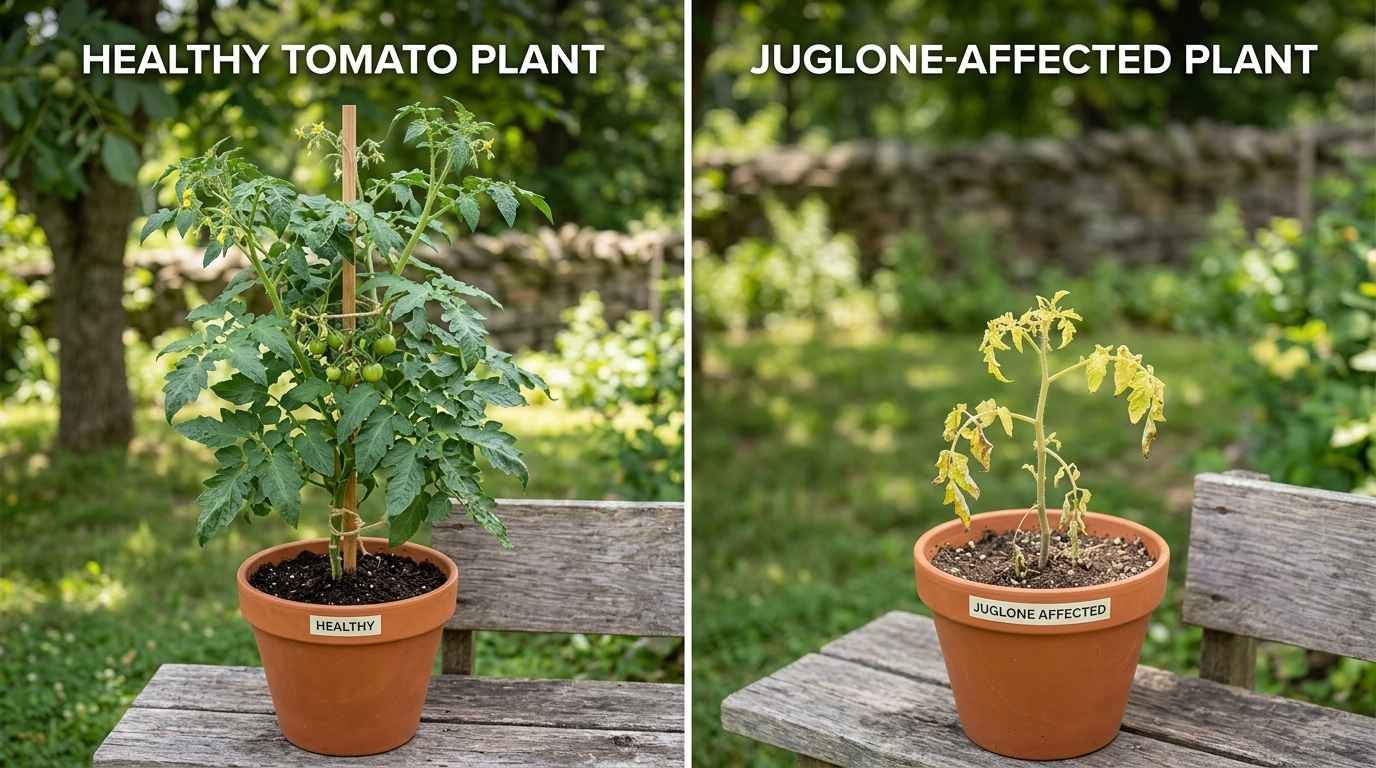
Black walnut poisoning symptoms vary by species and exposure route, but typically appear within hours to days after contact.
- Plants: Leaf yellowing, wilting, stunted growth, and eventual death within 1–3 weeks of root contact with juglone.
- Dogs and Cats: Black walnut toxicity in dogs and cats first shows as vomiting, diarrhea, drooling, and muscle tremors, In severe cases, hind limb paralysis or seizures may occur.
- Horses: Black walnut toxicity in horses is marked by heat in hooves, reluctance to move, digital pulse elevation, and laminitis within 24–48 hours of exposure to shavings.
- Humans: Black walnut toxic to humans causes contact dermatitis, skin blistering, and brown stains from handling green hulls, Ingested hulls can lead to nausea and abdominal cramps.
What to Do After Black Walnut Exposure
Immediate action after black walnut exposure can reduce symptom severity; different victims require different first-aid measures.
| Exposure Type | Immediate Action | When to Call a Professional |
|---|---|---|
| Human skin contact | Wash with soap and water for 10 minutes | If blisters cover more than 10% of skin |
| Dog or cat ingested hulls | Rinse mouth and remove remaining hull pieces | Immediately if tremors or seizures develop |
| Horse bedding exposure | Remove all shavings, hose hooves with cool water | Call vet if horse shows lameness or refuses to stand |
| Plant soil contamination | Remove affected plants, isolate root zone | If soil tests confirm high juglone levels |
How Black Walnut Toxicity Is Diagnosed and Treated
Diagnosis of black walnut toxicity relies on history of exposure and clinical signs; treatment is primarily supportive and symptom-specific.
- Human Diagnosis: Physicians confirm black walnut poisoning via skin patch tests (for contact dermatitis) and history of handling hulls, Blood tests may detect inflammatory markers.
- Animal Diagnosis: Vets check for juglone metabolites in urine (in dogs/cats) or hoof temperature and X-rays (in horses), Plant diagnosis involves soil juglone testing (laboratory HPLC analysis).
- Human Treatment: For skin: topical corticosteroids and antihistamines, For ingestion: activated charcoal within 1 hour, plus IV fluids if dehydration occurs.
- Animal Treatment: Black walnut poisoning treatment includes activated charcoal (dogs/cats), DMSO for laminitis (horses), and removing the source, Prognosis is good if treatment begins within 12 hours.
How to Prevent Black Walnut Poisoning
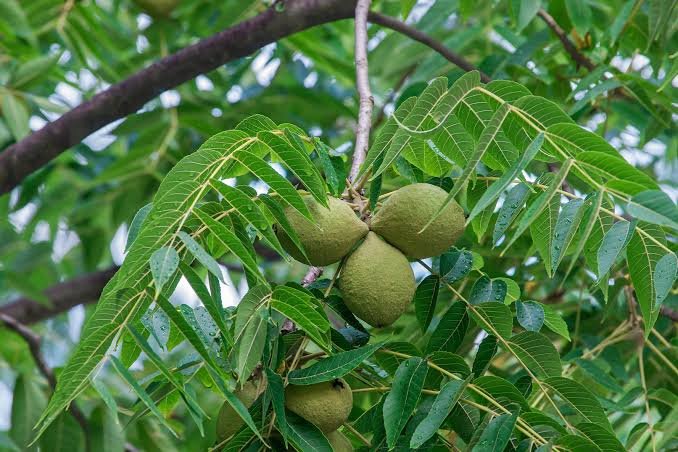
Preventing black walnut poisoning requires proactive management of the tree, soil, and vulnerable species in the surrounding area.
- Soil Management: Test soil for juglone before planting; if levels exceed 0.1 ppm, wait 2–3 years or remove top 18 inches of soil, Add organic compost to help degrade juglone faster.
- Species Selection: Plant only black walnut-tolerant species (e.g., beans, beets, carrots, melons) within 50 feet of a walnut tree, Avoid tomatoes, peppers, potatoes, and azaleas.
- Pet Safety: Use only pine, cedar, or aspen bedding for small pets, Always check horse bedding labels: black walnut shavings are sometimes mixed inadvertently—buy from trusted sources.
- Wood Handling: Never compost black walnut leaves, hulls, or wood chips, Dispose of them in municipal green waste or burn them (away from living spaces), Avoid using walnut wood as mulch.
Frequently Asked Questions About Black Walnut Toxicity
These common questions address real concerns about black walnut tree toxicity and how it affects daily life.
Understanding the nuances of black walnut toxicity is absolutely essential for any gardener who wishes to cultivate a thriving and diverse plant ecosystem near these magnificent but chemically aggressive trees, The primary challenge presented by black walnut toxicity stems from the release of juglone, a potent allelopathic compound that can persist in the soil for years after a tree has been removed, thereby complicating any subsequent planting efforts, Implementing effective mitigation strategies such as creating raised beds with uncontaminated soil, diligently cleaning up fallen leaves and husks, or selecting resistant plant varieties provides a reliable pathway to coexistence with black walnut trees.
If you suspect that black walnut toxicity is already impacting your garden, conducting a simple juglone soil test or observing the classic wilting symptoms on sensitive plants like tomatoes and peppers can confirm your suspicions and guide your next steps, It is important to remember that the toxicity zone extends well beyond the tree’s drip line, as the root system can spread laterally for a significant distance and release juglone into the surrounding earth, By adopting a proactive management approach that prioritizes soil aeration and organic matter enrichment, you can gradually break down the harmful compounds and reclaim your garden space for more sensitive species.
Ultimately, successfully navigating the challenges posed by black walnut toxicity requires a blend of scientific understanding and practical gardening patience, but the rewards of preserving these valuable native trees while maintaining a productive garden are well worth the effort, Regular monitoring of your plants and a willingness to adjust your landscaping plans based on observed reactions will ensure that you are not fighting a losing battle against this natural chemical defense, With the knowledge provided in this guide, you are now equipped to make informed decisions that protect your plants and allow you to enjoy the unique benefits that black walnut trees bring to your landscape.