Castor seed poisoning represents a severe medical emergency caused by the toxic protein ricin found in castor beans, and understanding its deadly effects is essential for anyone handling these seeds, The ingestion of even a single chewed castor seed can lead to rapid onset of nausea, vomiting, and severe dehydration, which demands immediate medical intervention to prevent fatal outcomes, This article will provide a comprehensive overview of the toxic mechanism, the hallmark symptoms to watch for, essential first-aid measures, and the most effective ways to prevent accidental exposure to these dangerous seeds.
What Is Castor Seed Poisoning?
Castor seed poisoning is a severe toxic reaction from ingesting or handling seeds of the Ricinus communis plant.
This condition, also known as castor bean poisoning, occurs when ricin enters the body, disrupting protein synthesis and causing cellular death, The severity depends on the amount ingested and the time to treatment, Castor seed toxicity is a medical emergency that demands immediate intervention.
Why Are Castor Seeds Poisonous?
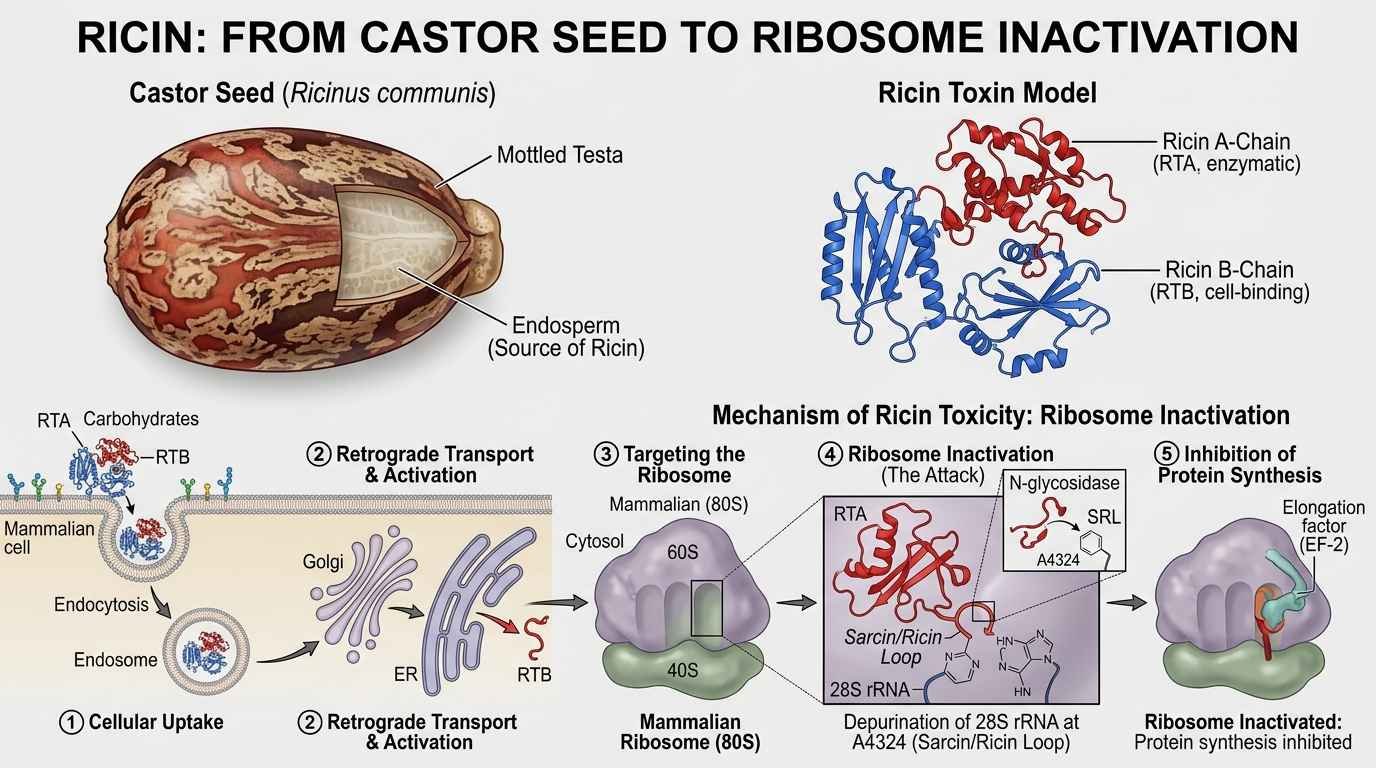
Castor seeds contain ricin, a potent lectin that inhibits ribosome function and destroys human cells.
- Seed Structure – The hard outer shell protects the inner kernel containing ricin and ricinine alkaloids.
- Ricin Mechanism – Once absorbed, ricin enters cells and cleaves a specific adenine from ribosomal RNA, halting all protein production.
- Systemic Effect – Cell death triggers massive inflammation, fluid loss, and multi-organ failure within hours.
How Much Castor Seed Is Dangerous?
The lethal dose of castor seeds depends on size, freshness, and individual sensitivity—but it is very small.
| Population | Estimated Lethal Dose | Ricin Content (mg) |
|---|---|---|
| Adult | 4 to 8 seeds | ~10–20 mg |
| Child | 1 to 2 seeds | ~2–5 mg |
| Animal (dog/cat) | 1 seed (or less) | <1 mg |
Variations occur due to seed variety and individual metabolism, Castor bean toxicity is especially high in fresh seeds; old or heat-treated seeds may be less dangerous but still toxic.
Castor Seed Poisoning Symptoms in Humans
Symptoms appear within 4 to 24 hours after ingestion, beginning with gastrointestinal distress and escalating rapidly.
- Early Phase (0–4 hours): Nausea, vomiting, abdominal pain, and watery diarrhea, Thirst and dehydration set in.
- Intermediate Phase (4–12 hours): Bloody diarrhea, muscle cramps, low blood pressure, and hyperthermia, Ricin toxicity starts affecting kidneys and liver.
- Critical Phase (12–48 hours): Seizures, confusion, respiratory failure, and coma, Without treatment, death from multiple organ failure is likely.
Patients may also present with castor seed poisoning symptoms like dilated pupils, difficulty swallowing, and dark urine due to muscle breakdown, Immediate medical care is vital.
Castor Seed Poisoning in Children
Children suffer faster and worse onset due to smaller body mass and higher metabolic rate.
Castor seed poisoning in children often begins with sudden vomiting and seizure-like activity within 2 hours, Because children may mistake the shiny seeds for beans or candy, unsupervised access is deadly.
- Q: What should I do if a child swallows a castor seed?
- A: Call poison control or 911 immediately, Do not induce vomiting unless instructed, Bring the remaining seed for identification.
Hospital care includes activated charcoal (if within 1 hour), aggressive IV fluids, and supportive therapy for organ failure, Castor bean poisoning treatment in children is most successful when started before symptoms peak.
Castor Seed Poisoning in Dogs and Cats
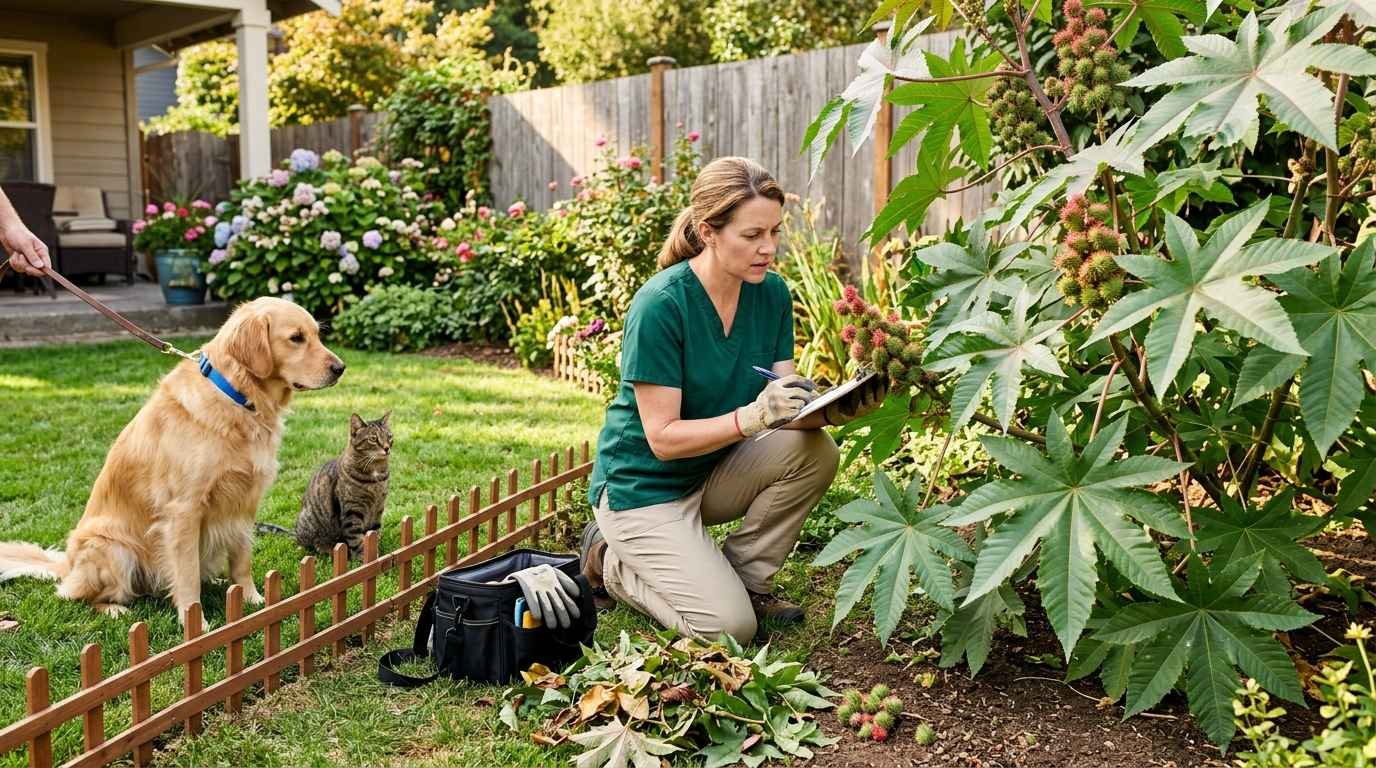
Pets are highly vulnerable to castor seed poisoning, often after chewing on seeds or pods in gardens.
- Initial Signs (0–4 hours): Excessive drooling, vomiting, diarrhea, and sudden weakness, Pets may appear anxious or restless.
- Progressive Signs (4–12 hours): Bloody diarrhea, tremors, incoordination, and rapid heart rate, Castor bean toxicity in animals can cause severe dehydration within hours.
- Critical Signs (12–48 hours): Seizures, respiratory distress, kidney failure, and coma, Immediate veterinary intervention is required for survival.
What to Do After Swallowing Castor Seeds
Time is critical, Follow these steps immediately if castor seed ingestion is suspected.
- Stay Calm and Act Fast: Call your local poison control center or emergency services right away, Provide all details about the seed and the person or pet affected.
- Do Not Induce Vomiting: Unless specifically instructed by a medical professional, do not make the person vomit, Induced vomiting can cause aspiration and worsen ricin absorption.
- Collect Evidence: Gather any remaining seeds, pods, or vomit material in a sealed bag for identification by medical staff, This helps confirm castor bean poisoning and guide treatment.
- Go to the Emergency Room: Even if symptoms are not yet present, seek medical evaluation, Ricin poisoning symptoms can be delayed and escalate rapidly.
How Castor Seed Poisoning Is Diagnosed and Treated
Diagnosis is based on history, symptoms, and lab tests; treatment focuses on supportive care and decontamination.
| Diagnostic Method | What It Detects | Purpose |
|---|---|---|
| Patient History & Seed ID | Ingestion of castor seeds | First step in confirming castor seed poisoning symptoms |
| Blood Tests | Organ failure markers, electrolyte imbalance | Monitor ricin toxicity progression |
| Urine Tests | Ricin breakdown products | Confirm exposure in early hours |
| Imaging (CT/MRI) | Internal bleeding, organ swelling | Assess severity of castor bean poisoning treatment needs |
Castor bean poisoning treatment in a hospital setting includes activated charcoal if administered within 1 hour of ingestion, aggressive IV fluids to maintain blood pressure and support kidney function, and medications to control seizures and pain, There is no specific antidote for ricin; care is entirely supportive, In severe cases, mechanical ventilation and dialysis may be needed.
How to Prevent Castor Seed Poisoning
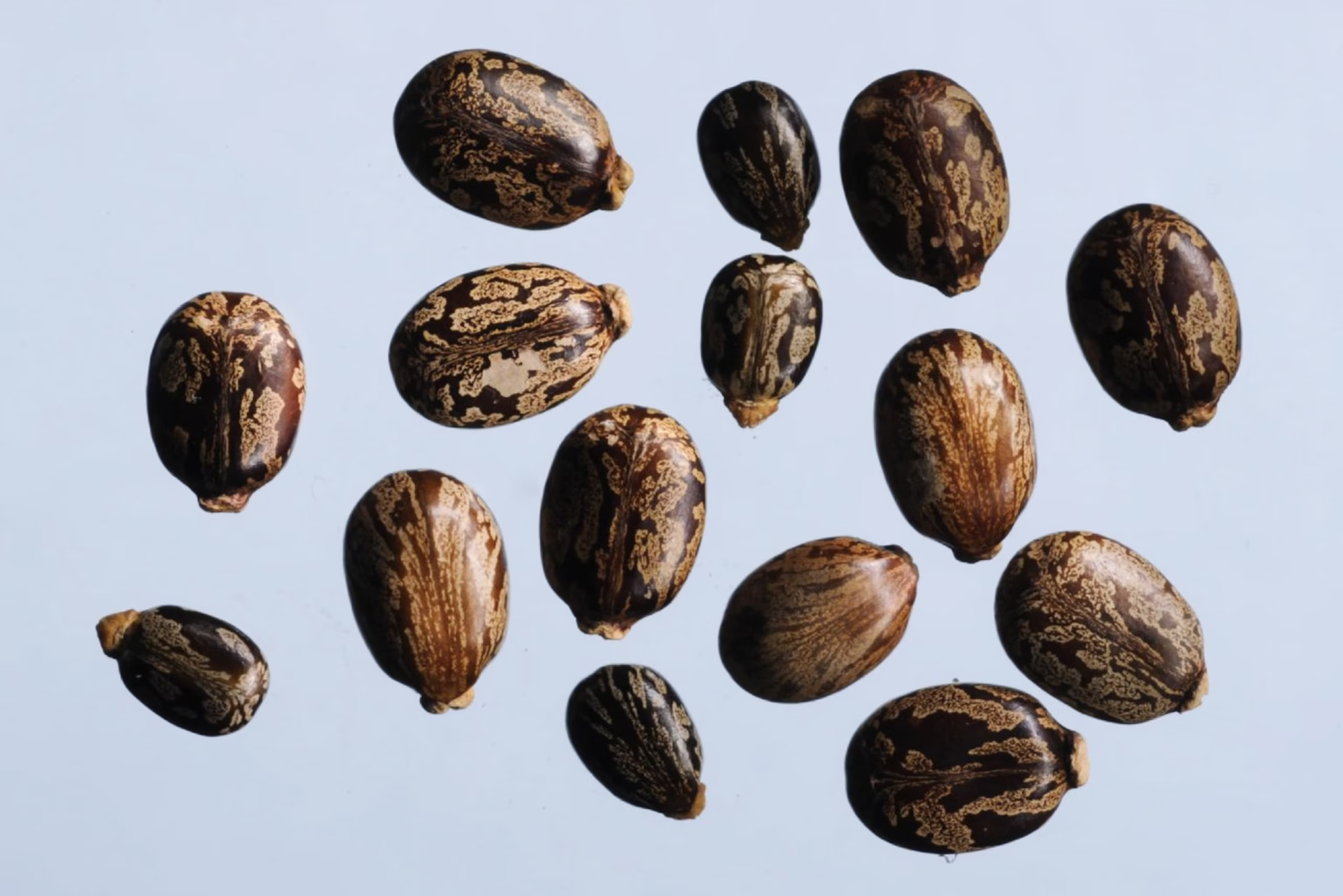
Prevention is about awareness, safe gardening practices, and educating family members about the risks of castor plant poisoning.
- Remove Castor Plants: If you have castor plants in your garden, especially where children or pets play, remove them entirely, Replace with non-toxic ornamental plants.
- Secure Seeds and Beans: Store any harvested castor seeds in labeled, child-resistant containers, far out of reach of children and animals, Do not keep them near food items.
- Educate Family: Teach children to never put unknown seeds or beans in their mouths, Include castor seed poisoning in children as a key topic in home safety discussions.
- Protect Pets: Keep pets away from gardens where castor plants grow, Regularly inspect your yard for fallen seeds and dispose of them in a sealed trash bag.
- Handle with Gloves: If you must handle castor seeds for gardening or crafts, wear disposable gloves and wash hands thoroughly afterward, Avoid touching your face or mouth during handling.
Frequently Asked Questions About Castor Seed Poisoning
Quick answers to the most common concerns about castor seed toxicity and its management.
Understanding the critical symptoms of castor seed poisoning is essential because even a small amount of the ricin toxin can prove fatal within hours if medical intervention is delayed, The first aid measures outlined in this guide serve only as initial emergency steps and patients must be transported to an emergency room immediately for comprehensive care and potential antitoxin administration, Prevention strategies such as educating children about the dangers of eating castor seeds and properly storing or disposing of the plant material remain the most effective defenses against accidental castor seed poisoning in both urban and rural environments.
Public awareness campaigns should emphasize that all parts of the castor plant, particularly the seeds, contain ricin and that ingestion demands urgent professional medical attention without waiting for symptoms to appear, Recognizing the top ten symptoms from gastrointestinal distress to neurological compromise allows caregivers and healthcare providers to act swiftly and accurately when dealing with suspected castor seed poisoning cases, By combining vigilant prevention efforts with clear first aid protocols and rapid symptom recognition, communities can significantly reduce the incidence and severity of this dangerous but entirely preventable toxicological emergency.
Each household and school should incorporate castor seed poisoning information into their general safety education to protect children and adults who may unknowingly come into contact with the plant in gardens or natural areas, The healthcare system benefits greatly when bystanders can identify early warning signs and apply proper first aid without resorting to outdated or harmful practices like inducing vomiting, Ultimately, the most powerful tool against castor seed poisoning remains knowledge spread through reliable sources, which empowers individuals to act responsibly and save lives when exposure occurs.