When considering houseplants for a home with pets, understanding the relationship between areca palm and dogs is absolutely essential for every responsible pet owner, Many dog lovers assume this popular indoor plant is completely safe, but a closer examination reveals crucial facts about its true non-toxic status and potential risks.
This comprehensive article will clearly explain the verified safety profile of the areca palm, outline any symptoms to watch for if your dog ingests a leaf, and provide expert tips for keeping this elegant plant in a pet-friendly environment.
Is Areca Palm Safe for Dogs?
Areca palm is a popular houseplant, but many dog owners worry about its safety, The short answer is reassuring, but you need to understand the details.
💡 Actionable Tip: While the ASPCA lists areca palm as non-toxic to dogs, always monitor your pet after first introducing any new plant, Some dogs may have mild stomach upset from eating too much plant material, even if it’s safe.
What Is an Areca Palm?
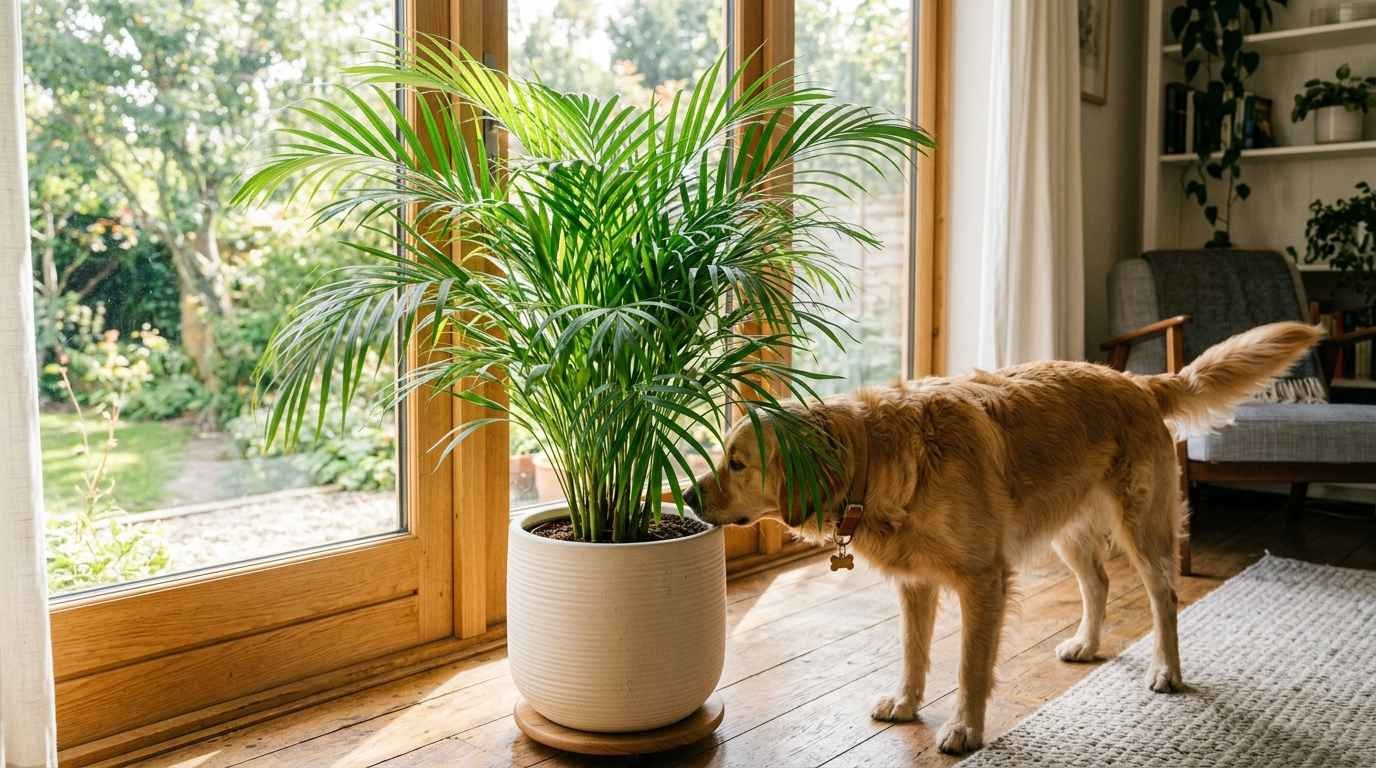
This tropical plant, also known as Dypsis lutescens, adds lush greenery indoors, It prefers bright indirect light and remains relatively compact.
Is Areca Palm Toxic to Dogs?
No scientific evidence supports toxicity, Areca palm is considered one of the safest indoor palms for dogs, unlike sago palm which is dangerous.
- Check the list: The ASPCA database lists areca palm as non-toxic to dogs, cats, and horses.
- Know the risk: Even non-toxic plants can cause mild digestive upset if ingested in large amounts.
- Beware of look-alikes: Never confuse areca palm with the highly toxic sago palm (cycad), They are completely different plants.
- Search for peace of mind: Looking for dog safe houseplants? Areca palm is an excellent choice.
What Happens If a Dog Eats Areca Palm Leaves?
In most cases, nothing serious happens, However, if your dog ate leaves excessively, watch for mild symptoms like drooling or loose stool.
| Situation | Typical Outcome | Action Needed |
|---|---|---|
| Small nibble of one leaf | No effect or very mild tummy ache | Monitor only |
| Dog ate several leaves | Possible vomiting or diarrhea | Offer water, watch for 12 hours |
| Whole plant consumed by small dog | Stomach upset likely, but not toxic | Contact vet if symptoms persist |
Common Signs of Plant-Related Stomach Upset in Dogs

Even with non toxic plants for dogs like areca palm, some canines develop mild digestive issues, Know these warning signals.
Areca palm and dogs can coexist peacefully, but always supervise your pet, Looking for more reassurance about areca palm pet safe properties? You can trust this plant for your home.
Why Dogs Chew Areca Palm Plants
Dogs explore the world with their mouths, and your areca palm may seem like a fun toy.
- Boredom or Loneliness: Dogs left alone for long hours may target plants for entertainment, The feathery fronds of an areca palm are easy to grab.
- Nutritional Deficiency: Some dogs crave fiber or certain minerals missing from their diet, Chewing leaves is a natural instinct to supplement their intake.
- Teething Puppies: Young dogs experience gum discomfort and will chew anything soft, including palm leaves, This is especially common in breeds like Labradors.
- Curiosity: New smells and textures attract dogs, If you recently brought home an areca palm safe for dogs, your pup may investigate with a taste test.
What to Do If Your Dog Eats Areca Palm
If your dog ate leaves from your areca palm, stay calm and follow this simple guide.
First, remove any remaining plant material from your dog’s mouth to prevent further swallowing, Then, offer a small bowl of fresh water to help wash down any fibers, Do not induce vomiting unless specifically instructed by a vet, as areca palm is non-toxic, Monitor your dog for the next 6–12 hours for signs of mild gastrointestinal upset like soft stool or a single episode of vomiting, If symptoms persist beyond 12 hours, or if your dog seems lethargic, contact your veterinarian, Remember, the ASV.org lists areca palm as a non toxic plant for dogs, but always err on the side of caution.
How to Keep Dogs Away from Indoor Palms
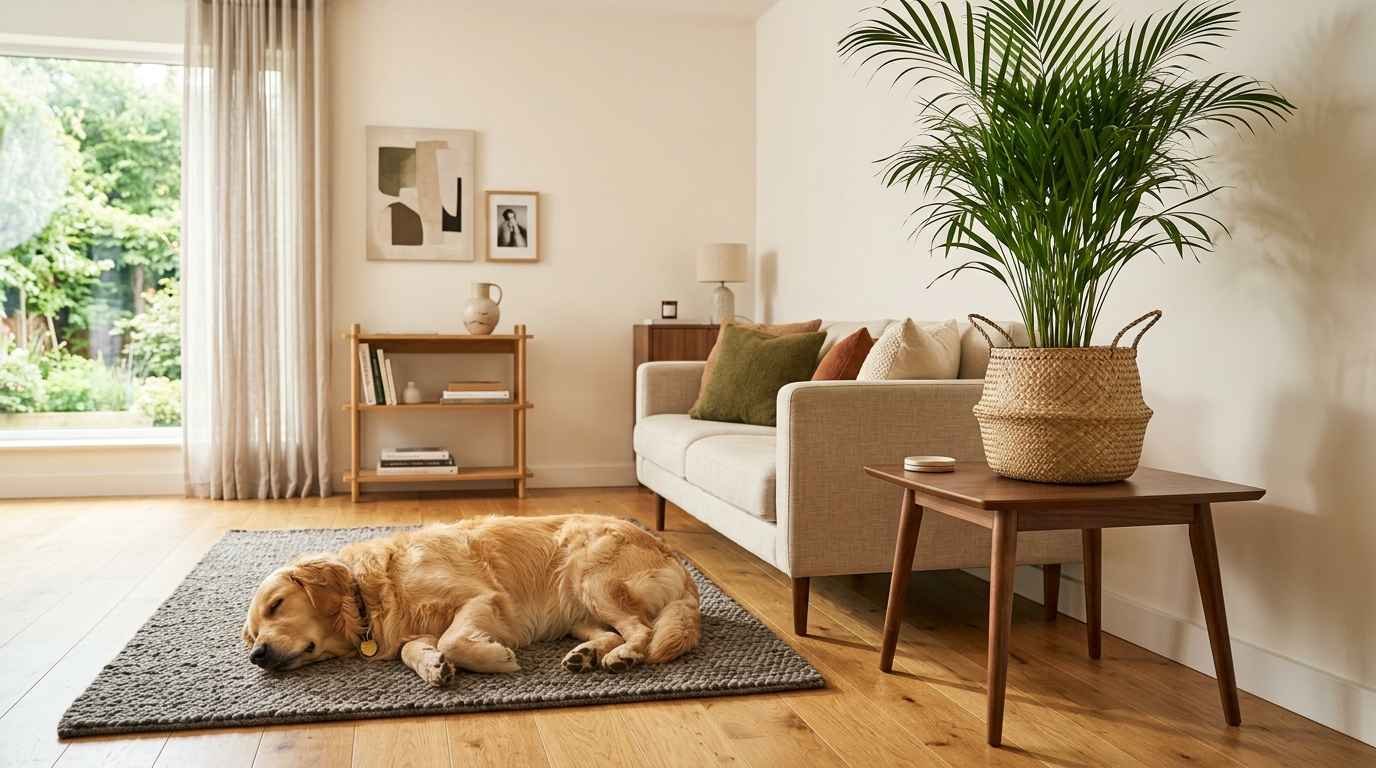
Protecting your indoor jungle from a curious canine is possible with smart strategies.
Use physical barriers like decorative plant stands or hanging baskets to elevate your palm out of reach, For floor-level pots, apply a pet-safe bitter apple spray directly to the lower leaves, Many dogs dislike the taste and stop immediately, Additionally, provide alternative chewing options like durable rubber toys or bully sticks to redirect their attention, Training a firm ‘leave it’ command also works wonders over time, If you have a persistent chewer, consider placing a small motion-activated air canister near the plant as a harmless deterrent, For those asking is areca palm toxic to dogs, the answer is no, but it’s still wise to protect your plant from damage.
[Image: A stylish modern living room featuring a tall areca palm in a woven basket placed on a side table, safely out of reach of a sleeping Golden Retriever on the floor]
Dog-Safe Houseplant Alternatives to Areca Palm
Whether you want variety or need a backup, many other indoor palms safe for dogs exist.
| Plant Name | Pet Safety Status | Care Level |
|---|---|---|
| Parlor Palm | Non-toxic (ASPCA) | Easy, low light |
| Ponytail Palm | Non-toxic | Easy, bright light |
| Boston Fern | Non-toxic | Moderate, high humidity |
| Spider Plant | Non-toxic, mildly hallucinogenic to cats (safe for dogs) | Very easy |
| Calathea | Non-toxic | Moderate, humidity |
All these varieties provide lush greenery without worrying about areca palm poisonous to dogs concerns, They are excellent choices for pet-friendly homes.
Frequently Asked Questions About Areca Palm and Dogs
Here are quick answers to common concerns about areca palm and dogs.
Question: My puppy ate a small piece of areca palm leaf, Should I panic?
Answer: No, The areca palm pet safe status means no toxic compounds, Watch for mild drooling or a single soft stool, If your puppy acts normal and eats normally, you are fine, Just offer water and monitor.
Question: Can areca palm cause allergies in dogs?
Answer: While rare, some dogs may be sensitive to the plant’s natural oils or dust on leaves, Symptoms include sneezing or itchy skin near the plant, If you notice this, move the palm to another room, This is not a toxicity issue, but a contact sensitivity.
Question: Is areca palm toxic to pets like cats and dogs?
Answer: For both cats and dogs, areca palm is considered non-toxic by the ASPCA, However, cats may be more prone to nibbling fronds, If you have both pets, still supervise initial interactions, This makes it a true dog safe houseplant for multi-pet households.
Question: How can I tell if my dog chewed the plant?
Answer: Look for torn or shredded leaf edges, small pieces of green leaf on the floor, or a wet spot on the soil where saliva dripped, Some dogs also leave small tooth marks on the stem, If you see these signs, you may ask yourself ‘areca palm dog ate leaves?’ but rest assured it’s usually harmless.
Understanding the relationship between areca palm and dogs is essential for any pet owner who wants to enjoy the lush beauty of this popular houseplant without compromising their furry friend’s safety.
While the areca palm is generally considered non-toxic to dogs by the ASPCA, responsible pet owners should still monitor their dogs for any mild gastrointestinal upset if they ingest large amounts of the plant material.
Ultimately, maintaining a harmonious home with both areca palm and dogs requires basic vigilance, proper plant placement, and awareness of your individual dog’s chewing habits to prevent any accidental ingestion issues.