Amanita poisoning represents a life-threatening medical emergency that requires immediate recognition and swift intervention to prevent severe liver damage or fatality, Understanding the specific toxins involved and their rapid onset of symptoms is absolutely crucial for anyone who engages in wild mushroom foraging or even accidental ingestion.
This article delivers a comprehensive breakdown of the most dangerous Amanita species, their hallmark clinical presentations across distinct phases, and the evidence-based treatments that can save lives, Finally, it covers essential safety protocols for foragers and the critical importance of early hospital referral.
What Is Amanita Poisoning?
Amanita poisoning is a severe toxic reaction caused by ingesting certain species of Amanita mushrooms, primarily those containing amatoxins.
When you accidentally consume a poisonous amanita mushroom, the toxins quickly enter your bloodstream and attack vital organs, especially the liver and kidneys, Early recognition of amanita poisoning symptoms is critical for survival.
Which Amanita Mushrooms Are Poisonous?
Several Amanita species are highly toxic, with the most notorious being the death cap and destroying angel mushrooms.
| Species | Common Name | Toxin Level | Fatality Risk |
|---|---|---|---|
| Amanita phalloides | Death Cap | Extreme | Very High |
| Amanita virosa | Destroying Angel | Extreme | Very High |
| Amanita bisporigera | Eastern Destroying Angel | Extreme | Very High |
| Amanita ocreata | Western Destroying Angel | Extreme | Very High |
Note: All listed species are responsible for the majority of amanita phalloides poisoning cases worldwide.
Why Amanita Mushrooms Are So Dangerous
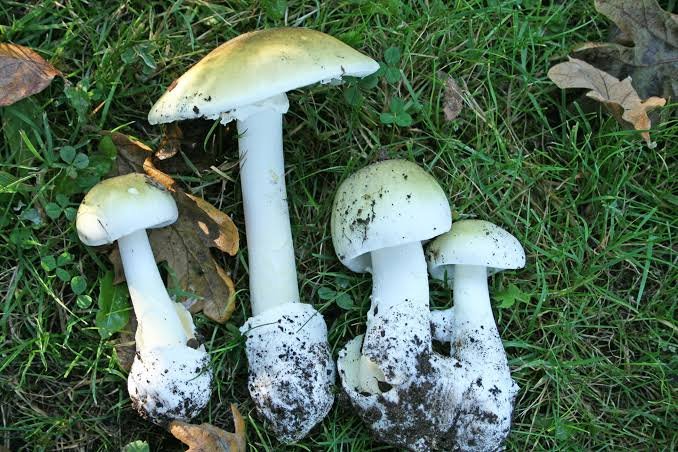
Amanita mushrooms are deadly because they contain amatoxins — heat-stable poisons that survive cooking and drying.
- Rapid absorption: Toxins enter your bloodstream within hours after ingestion.
- Delayed onset: Early amanita poisoning symptoms often mimic a stomach bug, leading to critical delays in treatment.
- Irreversible liver damage: Amatoxins block RNA polymerase, halting protein synthesis in liver cells.
- No antidote: There is no specific antidote; treatment focuses on intensive supportive care and sometimes liver transplant.
Early Symptoms of Amanita Poisoning
Early signs typically appear 6 to 12 hours after ingestion and are easily mistaken for common food poisoning.
Classic early indicators include severe abdominal cramps, vomiting, and profuse watery diarrhea, These are the earliest signs of amanita poisoning symptoms and can lead to rapid dehydration if left untreated.
Severe Symptoms and Liver Damage Risk
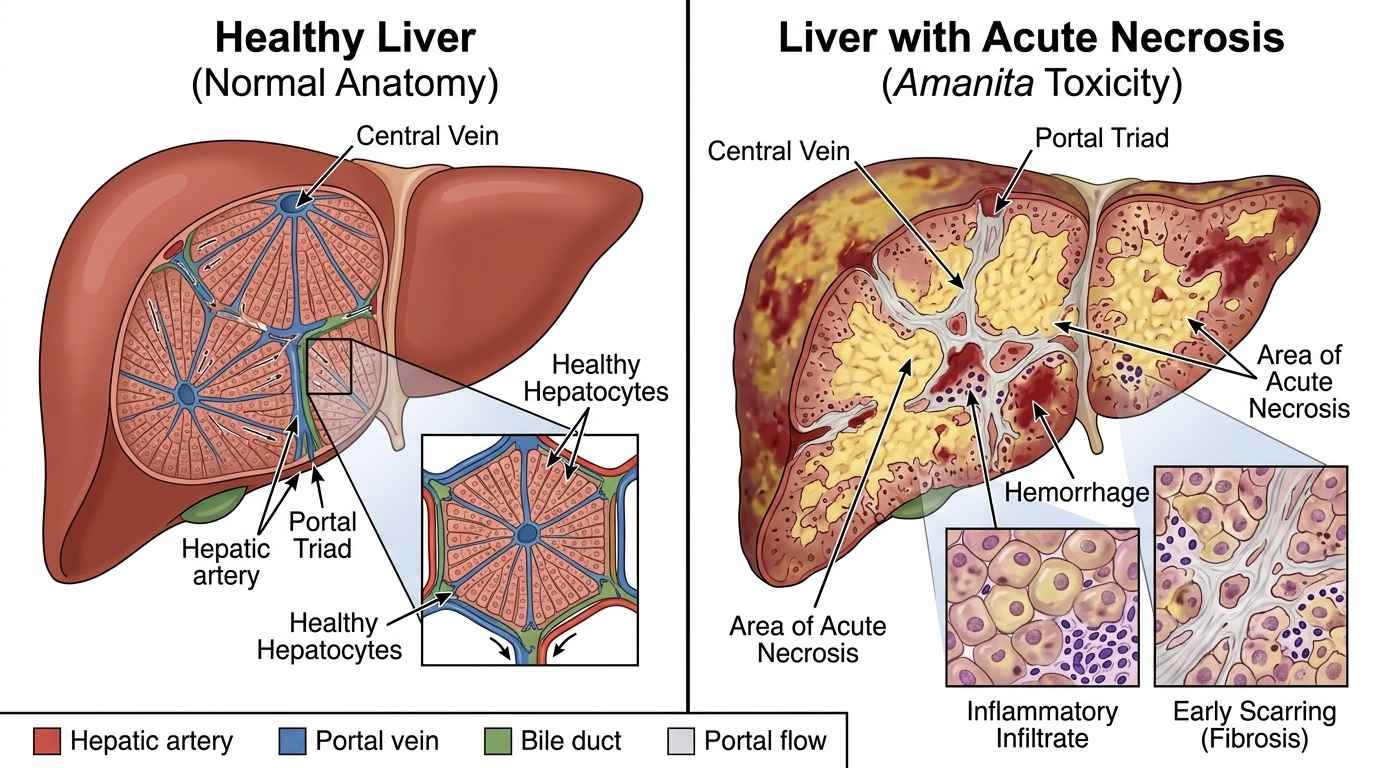
After a deceptive period of feeling better, severe symptoms hit — often within 24 to 48 hours.
At this phase, amanita mushroom poisoning progresses to acute liver failure, Jaundice (yellowing of the skin and eyes), confusion, bleeding tendencies, and a sharp drop in blood sugar are all critical red flags, Without immediate medical intervention, the risk of death escalates quickly.
Any delay in seeking care for what to do after eating poisonous mushrooms dramatically increases the likelihood of irreversible organ failure, If you suspect death cap mushroom poisoning or destroying angel mushroom poisoning, time is your most limited resource.
How Long After Eating Amanita Do Symptoms Appear?
The timeline of amanita poisoning symptoms is deceptively staged and directly linked to survival odds.
After ingestion, a latent period of 6 to 12 hours typically passes before any signs emerge, This gap is the hallmark of amanita mushroom toxicity — most dangerous mushrooms cause distress within 2 hours, but poisonous amanita mushrooms hide their attack, The initial phase includes severe vomiting and diarrhea, mimicking a standard stomach bug.
What to Do If You Suspect Amanita Poisoning
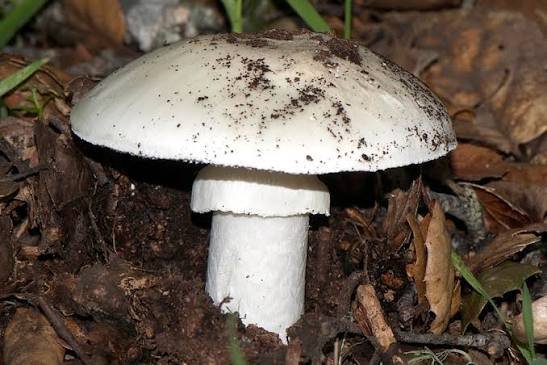
Every second counts when you suspect amanita mushroom poisoning — follow these exact steps in order.
- Step 1: Call emergency services immediately, Do not wait for symptoms to worsen, Tell the operator you suspect mushroom poisoning.
- Step 2: Do not induce vomiting unless a medical professional instructs you to, Vomiting can cause additional damage and may not remove toxins already absorbed.
- Step 3: Collect a sample of the mushroom, Place a whole, intact specimen in a paper bag or wrap it in wax paper, Never use plastic, as moisture speeds decay, This helps doctors identify the exact toxin.
- Step 4: Do not eat or drink anything else, Food and liquid can accelerate absorption of amatoxins into your bloodstream.
- Step 5: Go to the nearest emergency room, Even if you feel fine, you must be evaluated, Do not drive yourself — have someone else drive or call an ambulance.
How Doctors Treat Amanita Mushroom Poisoning
Hospital treatment for amanita poisoning is intensive, multi-layered, and often continues for weeks.
Once in the ER, doctors begin aggressive fluid resuscitation to counter dehydration from vomiting and diarrhea, They also administer activated charcoal if the patient presents within the first 1–2 hours of ingestion, The mainstay of treatment includes intravenous fluids, liver-protective medications (like silibinin or N-acetylcysteine), and continuous monitoring of liver enzymes and kidney function, In severe cases of amanita phalloides poisoning, the only life-saving option becomes a liver transplant.
| Intervention | Purpose | Time Window |
|---|---|---|
| Activated Charcoal | Absorbs residual toxins in the gut | Within 1–2 hours of ingestion |
| IV Fluids + Electrolytes | Prevents dehydration and organ failure | Immediately upon arrival |
| Silibinin (Intravenous) | Blocks uptake of amatoxins by liver cells | Within 24–48 hours |
| Liver Transplant | Replaces irreversibly damaged liver | After signs of acute liver failure |
How to Avoid Poisonous Amanita Mushrooms
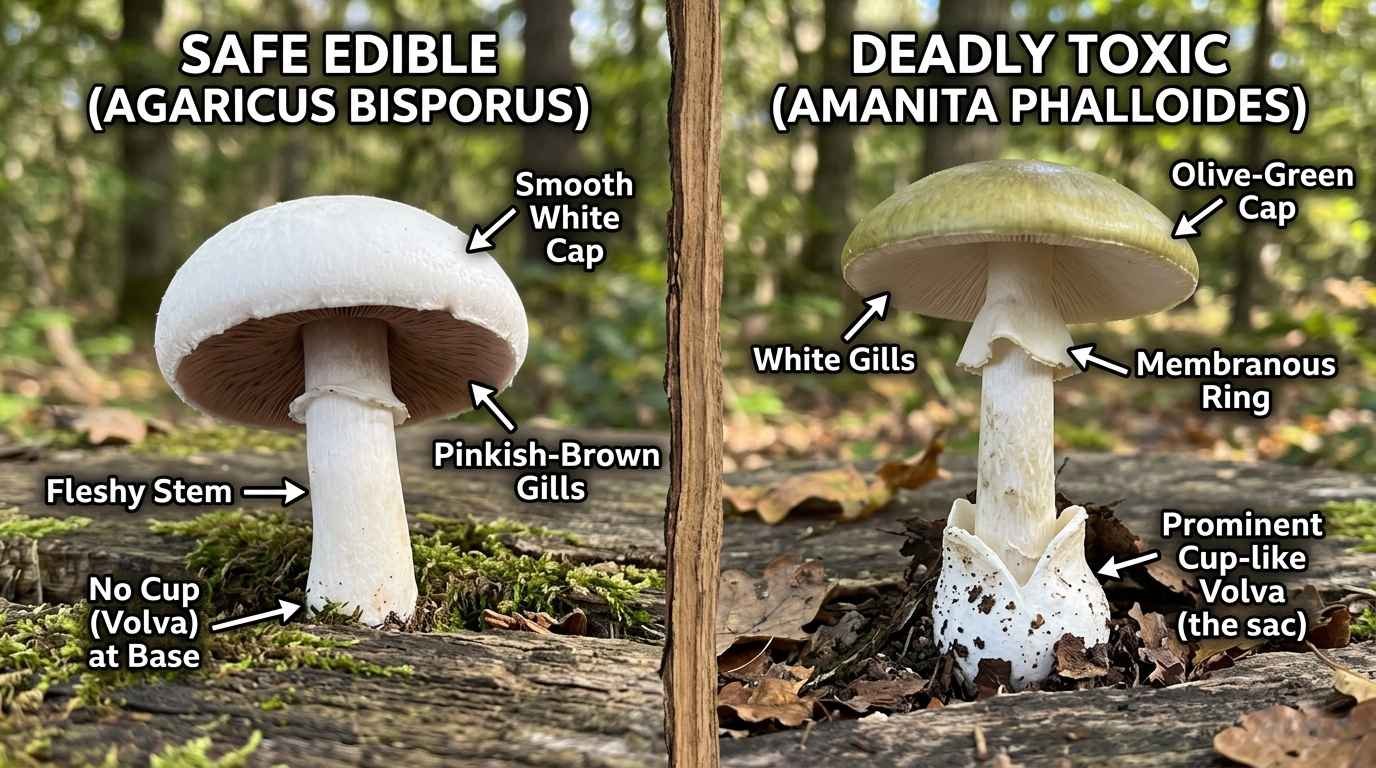
Preventing amanita mushroom toxicity is far easier than surviving it — follow these safety rules.
- 🚫 Never rely on folklore tests, Silver spoons, milk, and other home tests do not detect amatoxins, Only a trained mycologist can accurately identify poisonous amanita mushrooms.
- 🐍 Memorize the death cap features: greenish cap, white gills, white ring on the stem, and a cup-like volva at the base, Any mushroom with these traits should be left untouched.
- 📱 Use a reliable identification app or guidebook (e.g., Mushroom Expert or North American Mycological Association field guide), Cross-check with at least two independent sources before consuming.
- 👥 Forage with an expert, Join a local mushroom club or take a guided foraging walk at least three times before harvesting on your own.
Frequently Asked Questions About Amanita Poisoning
Quick answers to the most urgent concerns about amanita mushroom toxicity.
Question: How much of a death cap mushroom is lethal?
Answer: For an adult, just one gram of fresh death cap mushroom tissue — approximately one-third of a full cap — can be fatal, For children, even a single nibble can cause death cap mushroom poisoning.
Question: Can amanita poisoning be treated at home?
Answer: No, Amanita poisoning symptoms require immediate hospital care, There are no home remedies, teas, or natural treatments that neutralize amatoxins, Only professional medical intervention can save a life.
Question: Are all amanita mushrooms poisonous?
Answer: No, Some amanita species are edible, such as Amanita rubescens (the blusher), but many closely resemble deadly species, For this reason, most experts recommend avoiding all amanita mushrooms unless you have advanced training in mycological identification.
Understanding the severe risks associated with amanita poisoning is absolutely essential for every mushroom forager because misidentification can quickly lead to irreversible liver damage and even death, Immediate recognition of the critical symptoms, such as delayed gastrointestinal distress and jaundice, combined with rapid application of proper first aid steps, significantly improves a victim’s chance of survival and recovery, Ultimately, the most effective prevention strategy against amanita poisoning remains rigorous adherence to expert-led identification protocols and a steadfast rule of never consuming any wild mushroom unless its identity is unequivocally confirmed by a certified mycologist.